Abnormal Heat Arrives with Temperatures Far Above Seasonal Norms
Spain’s State Meteorological Agency (AEMET) has issued a warning that the Iberian Peninsula will face suffocatingly high temperatures in the coming days. This warming trend is particularly significant in its intensity, with national temperatures expected to be “far above the normal average for this time of year,” and could even break historical records for the period in some areas. This shift starkly contrasts with the unusually cold weather experienced in early May.
Southern Regions to Be Hit First, with Weekend Temperatures Nearing 40°C
The high temperatures will first affect southern Spain. The main river valleys of the peninsula, such as the Tagus and Ebro valleys, are forecast to see maximum temperatures around 34 degrees Celsius. In traditionally hotter areas like the Guadiana and Guadalquivir valleys, temperatures are expected to climb to 36 to 38 degrees Celsius. AEMET notes that temperatures in parts of Andalusia could even approach the 40-degree Celsius mark this weekend.
Heat Expands as Muggy Nights Intensify
This heat spell is not confined to the south. The northern Cantabrian coast could also see temperatures reach 30 degrees Celsius, with some inland areas potentially rising to 34 degrees Celsius. It’s worth noting that AEMET also forecasts a brief intrusion of polar cold air in the north this Friday, bringing rain and thunderstorms.
Meanwhile, nighttime temperatures will offer little relief. Starting Friday, the Guadiana and Guadalquivir valleys will be the first to experience “tropical nights,” where minimum temperatures do not fall below 20 degrees Celsius. By the weekend, this phenomenon is expected to extend to the Tagus, Ebro, and lower Duero valley regions.
High Temperatures to Persist Until Mid-Next Week
Another key feature of this heat event is its long duration. Although long-term forecasts have some uncertainty, current weather models indicate that this abnormal heat, typical of July, is expected to last at least until the middle of next week.
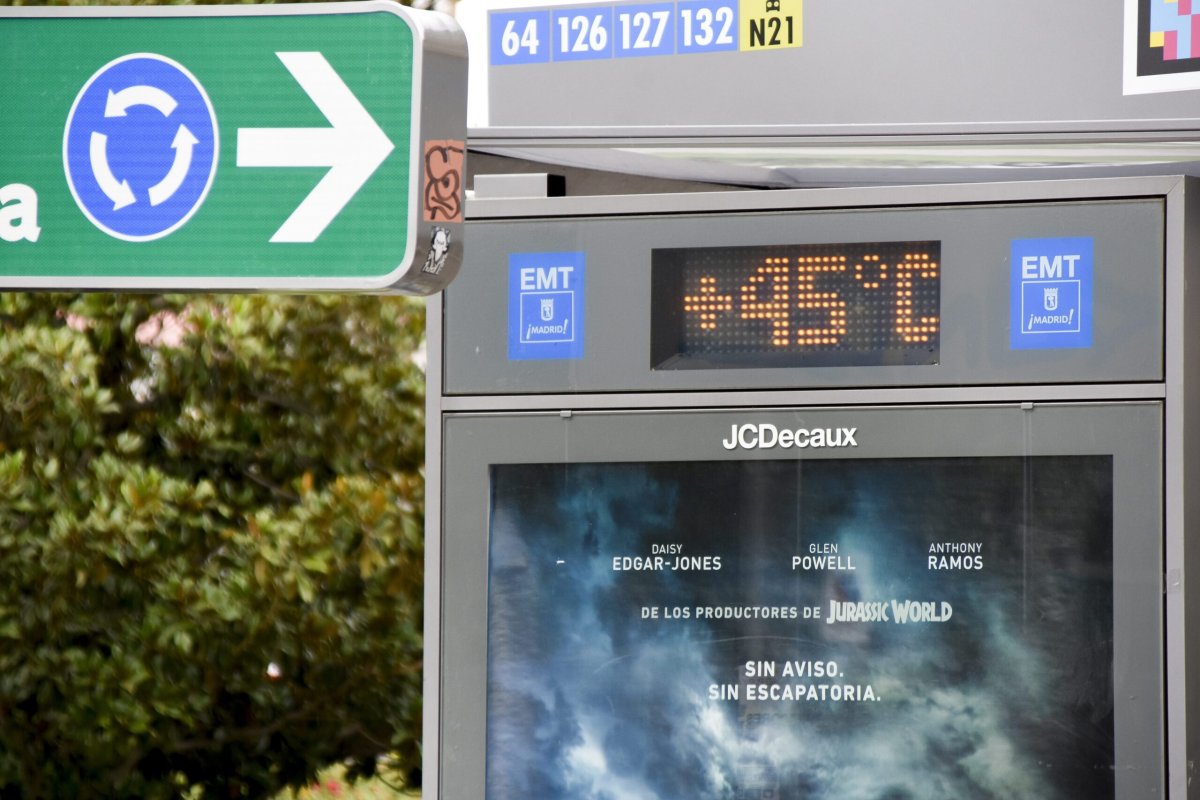
Official Clarification: Mid-Summer Temperatures, But Not a “Heatwave”
Despite the intensity, wide reach, and long duration of this warming trend, Spain’s State Meteorological Agency has specifically clarified that, from a strict meteorological definition, this cannot yet be called a “heatwave” (ola de calor). The agency explained that higher temperature thresholds must be met to meet the official criteria for a heatwave. However, AEMET emphasizes that for most of the country, both daytime highs and nighttime lows have already reached “mid-summer levels” of heat.
