The Countdown for the 2025 Renta Declaration Begins
The annual filing period for Spain’s Personal Income Tax (Declaración de la Renta, IRPF) is drawing to a close, with the declaration for the 2025 fiscal year officially due by June 30, 2026. This tax return is not just proof of fulfilling civic tax duties; it has become a core document verifying personal financial standing in Spanish society and economy, with its importance growing steadily.
In recent years, data sharing and verification among the Spanish Tax Agency (Agencia Tributaria), banking systems, and immigration authorities have become increasingly stringent. A complete and accurate Renta declaration record is essential for handling numerous personal matters.
Who is Required to File?
According to current tax regulations, tax residents who meet any of the following conditions are generally required to file a Renta declaration:
- Income from a single employer: Total annual employment income exceeding €22,000.
- Income from multiple employers: Total income from the second and subsequent employers exceeds €1,500, and the total annual income is over €15,876.
- Self-employed individuals: All registered self-employed workers (autónomos) or legal representatives of companies.
- Capital gains and rental income: Individuals who have earned income from the sale or rental of property, or from transactions involving financial products such as stocks and funds.
- Recipients of government benefits: Those who have received certain government subsidies, unemployment benefits (paro), or the Minimum Living Income (Ingreso Mínimo Vital, IMV).
- Applicants for specific procedures: Individuals applying for bank loans, family reunification, or residence permit renewals are typically required to provide their latest Renta declaration.
Why Should Everyone Take the Renta Declaration Seriously?
Even if you don’t meet the income threshold for mandatory filing, voluntarily declaring Renta is highly recommended in many cases, as it directly affects your credit eligibility and various administrative approvals.
1. Bank Credit and Account Health
When approving mortgages, personal loans, credit assessments, or annual account reviews, Spanish banks almost invariably require applicants to provide their recent Renta declaration files. Banks use this document to assess the applicant’s repayment capacity and financial situation. A lack of a declaration record, or significant discrepancies between the declared data and bank statements, can lead to direct loan rejection or even trigger an account risk review.
2. Immigration and Family Reunification Approvals
When processing immigration procedures such as family reunification, non-lucrative residence permits, or work permit renewals, the immigration office requires applicants to provide reliable proof of financial means. The Renta declaration, social security records, payslips, and bank statements are core documents used by immigration officers to assess whether an applicant has sufficient financial resources to support their family in Spain. Missing or improperly filed declarations can lead to delays, requests for additional materials, or even negatively affect the final outcome.
3. Employment Eligibility and Labor Contracts
For individuals or families needing to hire employees (such as a domestic helper), the labor department and immigration office will review the employer’s financial capacity. A clear Renta declaration record is key to proving legal hiring eligibility and the ability to cover employee salaries and social security contributions. If you cannot prove the authenticity and stability of your income through tax documents, you may be deemed unqualified to hire.
Legal and Practical Consequences of Not Filing on Time
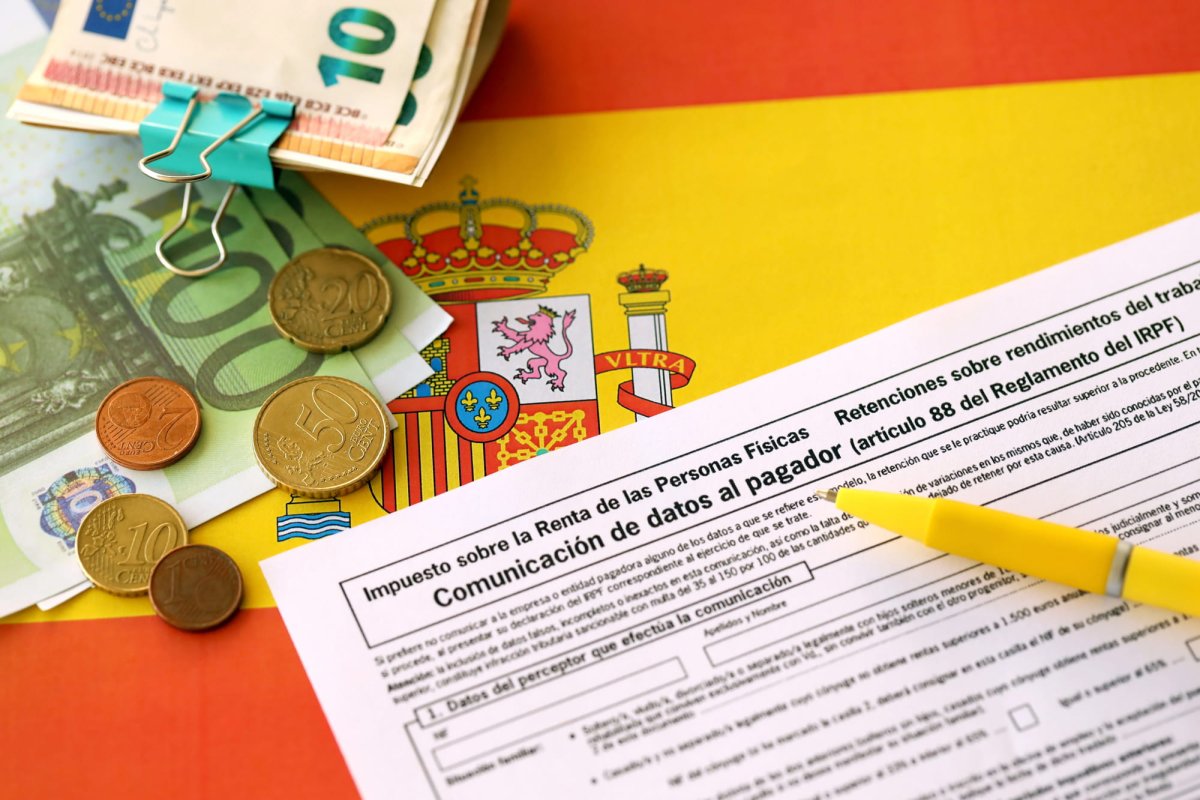
Individuals who are obligated to file but fail to do so on time will face penalties from the Spanish Tax Agency. Even if the declaration results in a refund or a zero return, late filing can still incur fines.
- Financial penalties: These include late payment interest and administrative fines. If taxes are owed, fines can range from 50% to 150% of the amount due.
- Procedural obstacles: As mentioned earlier, a missing Renta declaration record will directly impact your ability to apply for bank loans, immigration permits, residence renewals, and certain employment-related procedures.
- Damaged credit record: A record of tax non-compliance can have a long-term negative impact on an individual’s credit score.
Therefore, it is advisable for all residents in Spain to review their situation and ensure they properly complete their personal income tax declaration before the deadline to avoid unnecessary legal risks and financial losses.
