Core Requirements of the “EU Pet Passport”
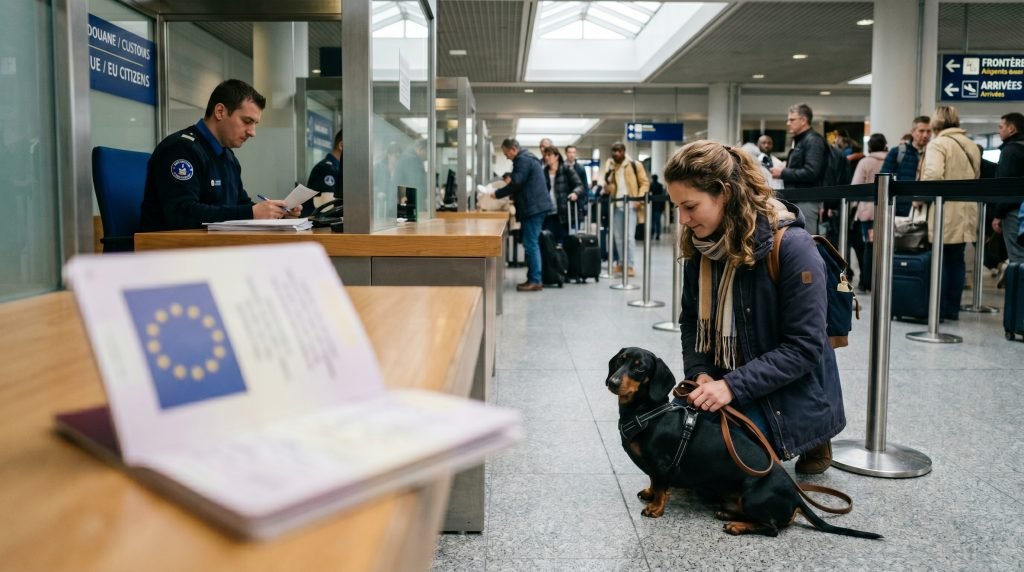
Under the new regulations, all domestic pets, such as cats and dogs, undergoing non-commercial movement within the EU must hold an “EU Pet Passport.” This crucial document, issued by an officially authorized veterinarian, must detail the pet’s identity, including the unique identification code of its implanted microchip, a valid rabies vaccination certificate, and the owner’s relevant information. This initiative aims to establish a unified and traceable pet identification system to enhance animal disease control.
Restrictions on Non-Commercial Movement
To prevent individuals from using pet travel as a guise for commercial animal trade, the new rules clearly define “non-commercial movement.” Each traveler is limited to carrying a maximum of five pets per trip. Furthermore, the pets must travel on the same transport as their owner or arrive at the same destination within five days of the owner’s arrival. Any movement exceeding these limits will be considered a commercial activity and will be subject to stricter import/export quarantine regulations.
Additional Quarantine Measures for Specific Countries
In addition to the general rules, some countries have set higher entry requirements due to their specific animal health status. Travelers planning to bring dogs to Finland, Ireland, Northern Ireland, Malta, or Norway must ensure their pet has received effective treatment against the tapeworm Echinococcus within 1 to 5 days (24 to 120 hours) before entry. This mandatory requirement is intended to prevent the cross-border spread of this specific parasitic disease.
Penalties for Non-Compliance and Travel Advice
EU authorities warn that any violation of the new regulations will have serious consequences. Offenders may not only be denied entry at border crossings, but their pets could also face quarantine or repatriation at the owner’s expense. In severe cases, individuals may face substantial administrative fines of up to €50,000. Therefore, anyone planning to travel with a pet across EU borders must contact the official veterinary authorities in both the departure and destination countries well in advance to carefully verify and prepare all necessary documents and health certificates to ensure a smooth journey.
