Climate Change Fuels Rising Risk of Tick-Borne Transmission
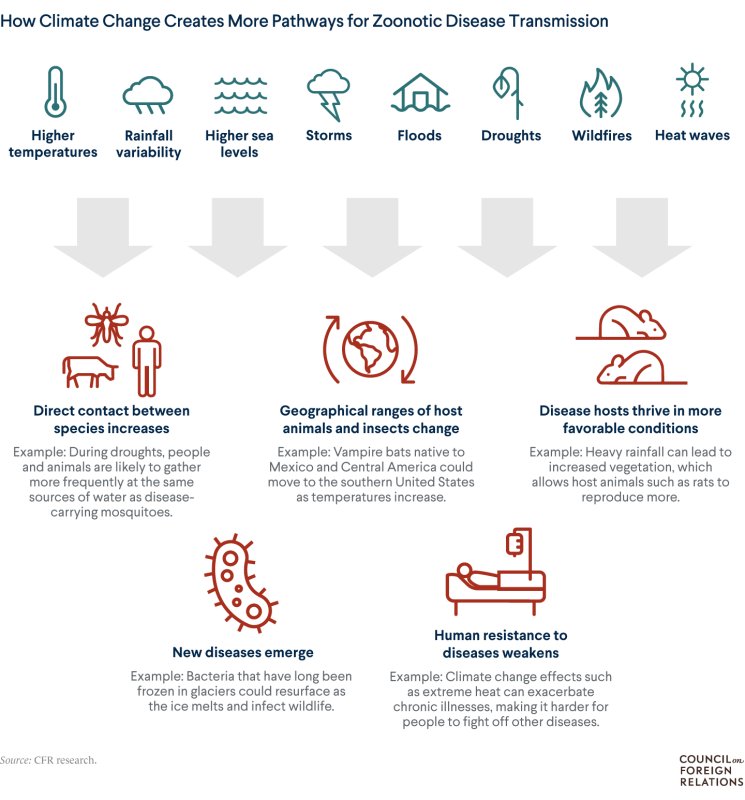
As the impacts of global climate change become increasingly evident, Spain is grappling with a growing public health crisis: a steady increase in Lyme disease cases. According to reports in May 2026, warmer and wetter winters are creating favorable conditions for the European castor bean tick (Ixodes ricinus) to thrive, significantly extending its active season and boosting its population, a trend that has been particularly pronounced over the past three years. Ticks are the primary vectors for Borrelia burgdorferi, the bacterium that causes Lyme disease, and their growing numbers directly translate to a heightened risk of human bites and infections.
To raise public awareness about this potentially debilitating disease, Spain participates in international commemorative events. For instance, on World Lyme Disease Day, May 17, 2026, Madrid’s iconic Neptune Fountain (Fuente de Neptuno) was illuminated in green as a sign of support.
Soaring Hospitalizations and an Expanding Disease Map
The strain Lyme disease places on Spain’s healthcare system is well-documented. A 2022 study by Spain’s Carlos III Health Institute (Instituto de Salud Carlos III) revealed that the hospitalization burden from Lyme disease surged by an astounding 192% between 2005 and 2019.
The research also noted an expansion in the disease’s geographical distribution. With the exception of the Extremadura autonomous community, nearly every region in Spain has seen a rise in incidence rates, indicating that Lyme disease is no longer a sporadic problem confined to a few areas but has become a nationwide health threat.
“The Great Imitator”: The Diagnostic Dilemma of Lyme Disease
Known as “the great imitator,” one of the biggest challenges with Lyme disease is its diagnostic complexity. Its symptoms are non-specific, varied, and can change over time. Early signs may include a rash, fever, fatigue, and muscle and joint pain, but these are often overlooked or misdiagnosed. Notably, at least 50% of infected individuals do not develop the classic erythema migrans (the bull’s-eye rash), making early detection even more challenging.
If not treated promptly and effectively, the infection can progress to chronic Lyme disease, affecting multiple organ systems, including the nervous system, heart, joints, eyes, and liver. Its symptoms can mimic those of serious conditions like multiple sclerosis, Parkinson’s disease, and fibromyalgia, leading to long-term misdiagnosis or missed diagnoses. The current standard antibody tests, ELISA and Western Blot, have limited sensitivity, further complicating a definitive diagnosis. Moreover, ticks are tiny, and their bites are typically painless due to an anesthetic substance they secrete, so many patients never realize they’ve been bitten.
Seeking Solutions: From Public Engagement to Technological Innovation
In response to the growing crisis, various sectors in Spain are actively seeking solutions. Patient advocacy groups are urging the government to add Lyme disease to the list of mandatory notifiable diseases to gather more accurate epidemiological data and are calling for increased funding for research into the condition.
On the technological front, an EU-funded, joint Franco-Spanish nanotechnology research project is underway. The project aims to develop a novel diagnostic tool capable of directly detecting the pathogenic bacteria, thus bypassing the limitations of traditional antibody tests and dramatically improving diagnostic accuracy.
At the same time, Spain’s Ministry of Health has launched a mobile app called “GarrapataAlert” (Tick Alert). It encourages the public to report tick sightings and locations using their smartphones. This citizen science initiative aims to map tick distribution more accurately, allowing for better assessment and forecasting of transmission risks across different regions.
