Introduction
Starting June 1, 2024, a series of new regulations in the Spanish electricity market will lead to a significant increase in residential electricity bills. The core changes involve the termination of tax relief measures previously introduced to combat the energy crisis, along with an increase in certain systemic charges. For an average household, this could mean an additional annual expense of approximately €100.
End of Tax Relief is the Main Driver
To mitigate the surge in energy prices caused by the international situation, the Spanish government had previously implemented temporary fiscal measures. These included reducing the Value Added Tax (VAT, or IVA in Spanish) on electricity from 21% to 10% and lowering the Special Electricity Tax (Impuesto Especial sobre la Electricidad, IEE) to the EU’s minimum permissible level of 0.5%.
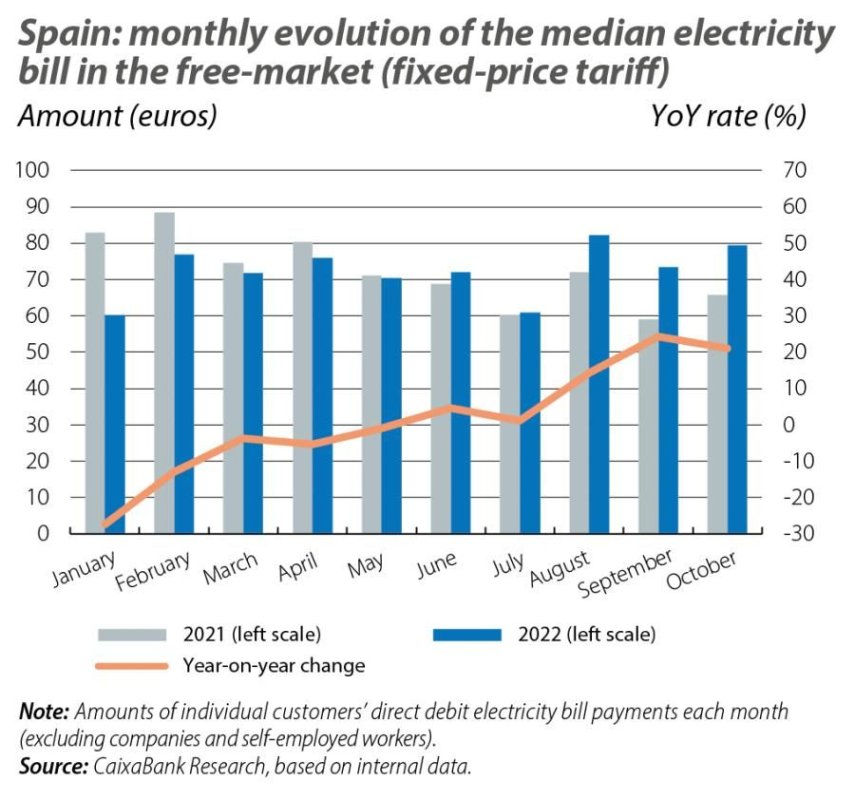
As wholesale energy market prices have recently stabilized below a preset threshold, these temporary relief measures will automatically expire. From June, the VAT on electricity will return to the standard rate of 21%, and the Special Electricity Tax will revert to 5.11%. It is estimated that for an average monthly bill of €60, the tax rate restoration alone will add an extra €7 to €8 per month.
Minor Adjustments to System Fixed Costs
Electricity bills also include fixed costs intended to cover grid transmission and distribution, subsidies for renewable energy, and other purposes. Although costs related to the transmission and distribution grid have remained largely stable, the cumulative effect of prior expenses has resulted in a 10.5% overall increase in system charges.
The direct impact of this adjustment on an average household is relatively small. Specifically, this change is expected to add about €1.30 to the monthly bill, equating to around €15 annually. When combining the tax and fixed cost adjustments, the total annual electricity expenditure for an average household is projected to increase by about €100.
Update to the Regulated Tariff (PVPC) Pricing Mechanism
For consumers on the regulated market tariff (PVPC - Precio Voluntario para el Pequeño Consumidor), a technical adjustment will also take effect. The pricing cycle in Spain’s wholesale electricity market will be updated from hourly to every 15 minutes. This means there will be 96 different price periods throughout the day.
This change aims to make retail prices more accurately reflect the real-time supply and demand in the wholesale market. While this doesn’t directly equate to a price hike, it demands more from consumers regarding their electricity usage habits. Consumers will need to plan their electricity consumption more meticulously to effectively take advantage of low-price periods.
How Consumers Can Cope with Rising Costs
Faced with widespread cost increases, consumers can actively manage their expenses by optimizing their electricity consumption. Experts recommend scheduling the use of high-power appliances such as washing machines, dishwashers, and ovens during the peak solar power generation hours, typically between 12:00 PM and 4:00 PM. During these times, wholesale electricity prices are often at their lowest for the day. Making smart use of these periods can effectively offset some of the additional costs brought on by the tax and fee increases.
