Significant Rent Hikes as Market Supply Remains Tight
According to the latest statistics from Spanish real estate portal Pisos.com, in the year between April 2023 and April 2024, the national average rent recorded a significant increase of 11.33%, reaching €14.64 per square meter per month. This means a typical 90-square-meter apartment now costs around €1,317 per month, a figure that exceeds the average income for many households, making rental affordability a growing concern.
The Housing Law Sparks Market and Policy Debate
To address the housing crisis, the Spanish government passed the 2023 Housing Law, attempting to intervene in the market through various regulatory measures. The law empowers local governments to impose rent caps, designate ‘stressed market’ areas, and control rent increases. However, these measures have elicited mixed reactions from the real estate industry. Many professionals point out that increased regulation creates legal uncertainty, potentially causing some landlords to withdraw their properties from the rental market. This could paradoxically reduce the available housing supply and worsen the supply-demand imbalance.
New Vacant Home Tax Rules Explained
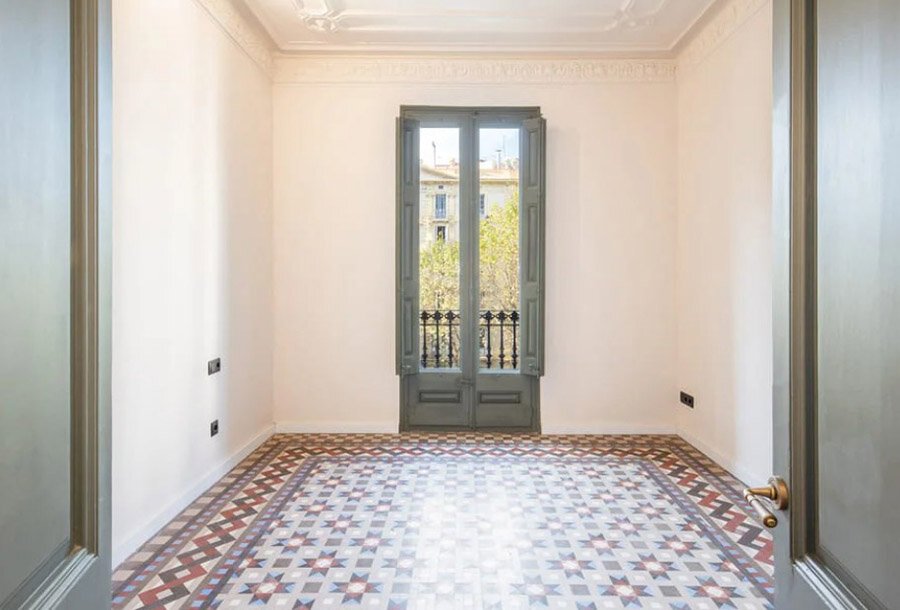
As one of the key supporting measures of the Housing Law, the government has introduced a punitive tax policy targeting ‘vacant homes.’ The regulation specifies that local municipalities have the authority to levy an additional surcharge on the Property Tax (IBI) for long-term vacant residences. The criteria are as follows:
- A 50% surcharge on the IBI can be applied to properties vacant for more than two years.
- This surcharge can increase to a maximum of 100% for properties vacant for more than three years.
- If the same owner holds multiple vacant homes in the same municipality, the surcharge rate can be raised to a maximum of 150%.
Major cities, including Barcelona, have already begun actively implementing this policy, aiming to use tax leverage to ‘force’ idle properties onto the market.
Policy Effectiveness and Market Outlook
The government’s intention behind the vacant home tax is clear: to increase the cost of holding idle properties, thereby incentivizing landlords to put them on the rental market. This is expected to effectively increase housing supply and stabilize rents. Nevertheless, the policy’s effectiveness remains a subject of debate. Critics argue that the dual pressure of rent controls and tax burdens might lead some landlords to abandon renting altogether, pushing the market into a more complex period of structural adjustment. Whether this policy will genuinely alleviate the housing crisis or introduce new market distortions remains to be seen.
