Widespread Financial Hardship: Nearly Half of Households Face Financial Strain
A recent socio-economic report from Spain highlights the growing financial distress among its residents. The data shows that approximately 40% of households report their income is insufficient to last until the end of the month, effectively living paycheck to paycheck. Some survey results paint an even bleaker picture, with over 45% of respondents admitting to experiencing varying degrees of financial strain towards the end of the month. More notably, the inability to cover an unexpected expense has become a common indicator of household economic vulnerability, reflecting a lack of necessary financial cushions for many families.
Structural Causes: The Double Squeeze of Inflation and Housing Costs
The sharp decline in household financial security is driven by the combined effect of multiple factors, including inflation, rising housing costs, and stagnant income growth. The report’s analysis points out that although Spain’s overall economic data shows growth, its benefits have not been evenly distributed. For low-income groups, the majority of their income is consumed by essential living expenses like food and housing, severely shrinking their disposable income and leaving them exceptionally vulnerable to economic fluctuations.
Social Risks: The Struggle on the Poverty Line
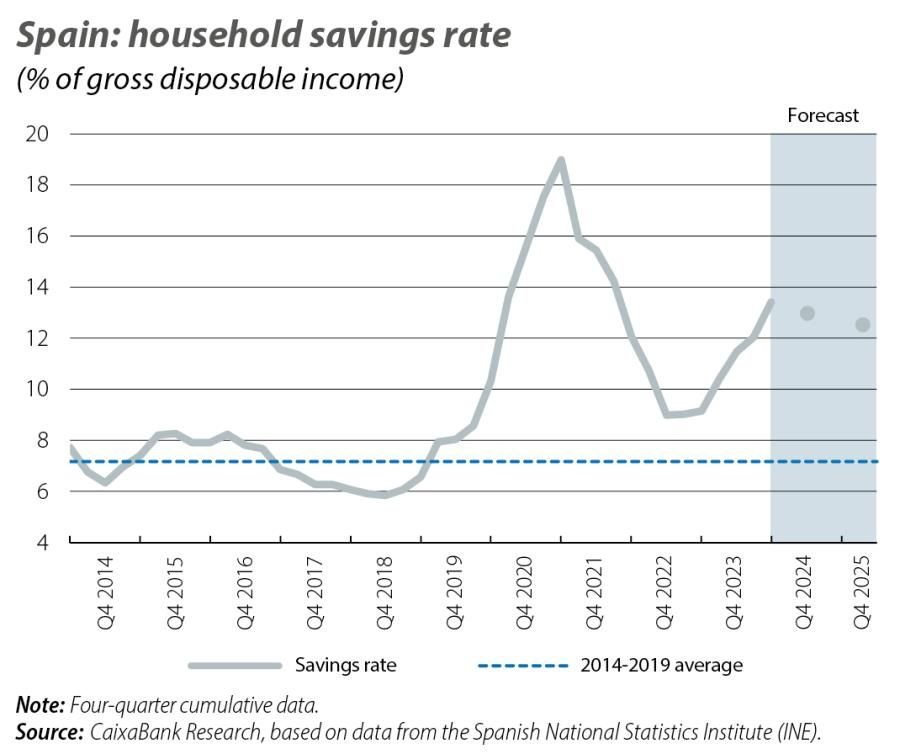
The issue of wealth inequality is highlighted in the report. Data indicates that about a quarter of Spanish households are at risk of poverty or social exclusion. This group not only faces pressure from daily expenses but is also disadvantaged in areas such as education, healthcare, and employment, creating a risk of intergenerational poverty. The impact is most pronounced on low-income families, whose quality of life has not been effectively improved by economic growth.
Expert Warnings and Policy Calls
Economists express concern over the widespread ‘paycheck-to-paycheck’ model, believing it is accumulating risks of social instability. To mitigate the widening wealth gap, experts are calling for more proactive government intervention. Specific recommendations include: strengthening regulation and protection in the housing market to provide affordable housing for low-income earners; improving the social welfare system to build a more robust safety net; and introducing targeted subsidies and support policies to help low-income households overcome difficulties, thereby maintaining overall social stability and equity.
