A New Look at Spain’s Non-Lucrative Visa: How to Invest by Forming a Company as a Shareholder
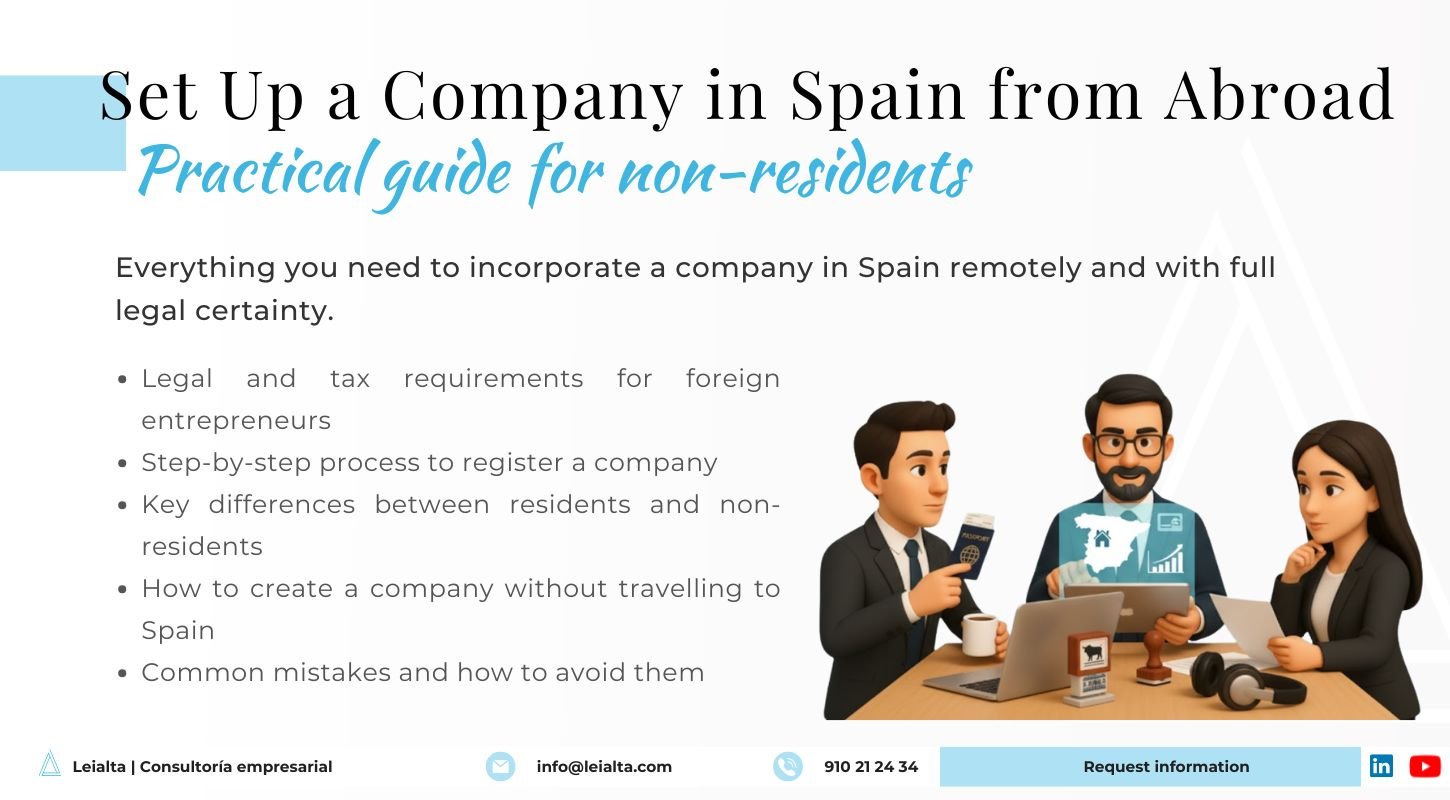
Under Spanish law, the core principle of the Non-Lucrative Residence (Residencia no Lucrativa) is that it prohibits holders from engaging in any form of labor or professional activity within Spain. However, this does not completely block the possibility of making investments. A legal route is to form a Limited Liability Company (Sociedad de Responsabilidad Limitada, SL) and participate as a shareholder, but this comes with strict legal limitations.
Non-Lucrative Visa and Company Ownership
Spanish law protects an individual’s right to property, meaning anyone, including Non-Lucrative Visa holders, has the right to own assets, which includes company shares. Therefore, a Non-Lucrative Visa holder can legally provide capital to form a new Limited Liability Company (SL) or purchase shares in an existing one to become a shareholder. This action is considered a capital investment, not a prohibited professional or work-related activity.
The Core Limitation for Shareholders: Investment Only
The key is that the role of a Non-Lucrative Visa holder in the company must be strictly limited to that of a “capitalist partner” (socio capitalista). This means they can only contribute capital and hold shares, but they cannot hold any position, perform any management functions, or carry out any specific work within the company. For example, they cannot be appointed as the company’s director (Administrador), as this position involves management and operations, which is legally considered work. Similarly, holding positions such as general manager, department head, or regular employee is also prohibited.
Company Operations and Work Permits
For a company to operate, it needs personnel with legal work permits. If a shareholder wishes to work in their own company, they must hold an appropriate work permit or a self-employment visa. Spain’s General Social Security Law (Ley General de la Seguridad Social) clearly outlines when a working shareholder must register for the self-employed social security scheme (Régimen Especial de Trabajadores Autónomos, RETA):
- Owning 33% or more of the shares: If a shareholder works in the company, regardless of their position, they must register as self-employed and contribute to the RETA scheme.
- Owning between 25% and 33% of the shares: If a shareholder in this bracket also holds a management position with decision-making power (such as a director), they must also register with RETA.
- Other cases: Shareholders working under other conditions, such as owning less than 25% of the shares without management control, should be hired as regular employees under a work contract and contribute to the general social security scheme.
These regulations further highlight the restriction against Non-Lucrative Visa holders working in the company, as they possess neither a work permit nor the ability to register for the self-employed scheme (RETA).
Conclusion: Investment is Possible, Management is Not
In summary, a holder of a Spanish Non-Lucrative Visa can make business investments by forming a Limited Liability Company (SL), but this must be a purely passive investment. They can receive dividends as a shareholder but cannot participate in the daily management or operations of the company. For those who wish to actively run a business, the most direct and compliant path is to apply to change their non-lucrative visa to a self-employment visa (Autorización de residencia y trabajo por cuenta propia) as per immigration law.
