May Inflation Data: Underlying Concerns Despite Surface Stability
According to the latest data from Spain’s National Statistics Institute (Instituto Nacional de Estadística, INE), the Consumer Price Index (CPI) in Spain rose by 3.2% year-on-year in May 2026. While this figure is unchanged from the previous month, it marks the third consecutive month that inflation has remained above the 3% threshold.
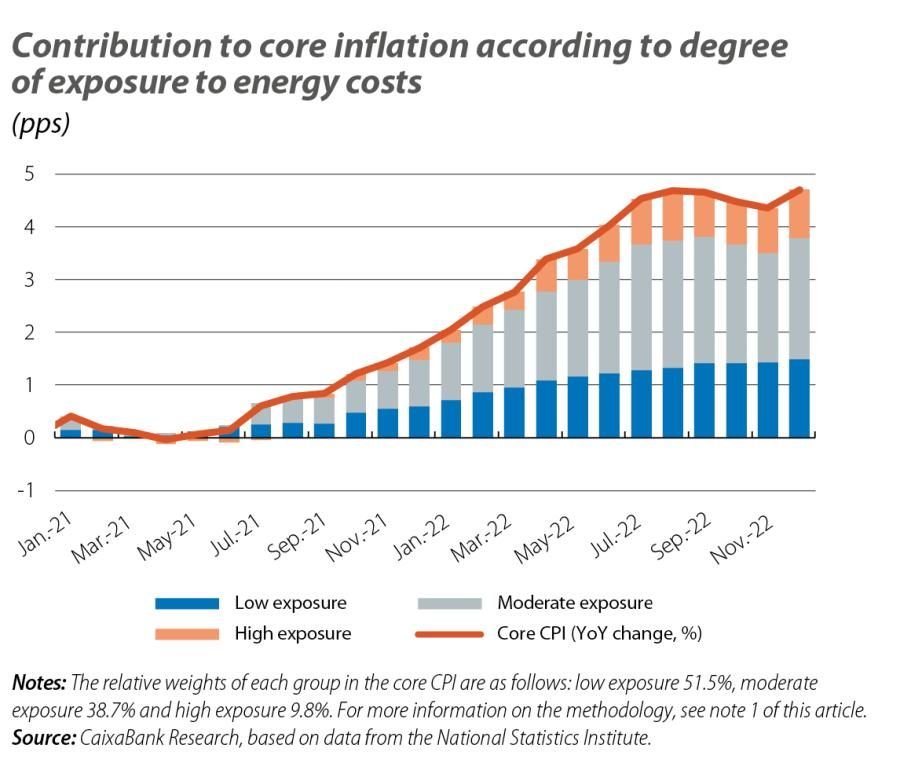
More concerning than the headline figure is the change in core inflation. In May, core inflation, which excludes the volatile prices of energy and unprocessed food, edged up to 2.9% from 2.8% the previous month. Economists widely view core inflation as a better indicator of underlying, persistent price pressures in the economy. This rise suggests that while energy prices have stabilized for now, the costs of a broader range of goods and services are still creeping up, exerting sustained pressure on long-term living costs for households.
External Pressures: Geopolitical Impact on Prices
Analysis indicates that the current inflationary pressures in Europe are closely linked to ongoing international tensions. Geopolitical conflicts in the Middle East, particularly tensions surrounding Iran, have significantly impacted global energy markets. The sustained rise in international crude oil prices over the past few months has directly driven up transportation and logistics costs.
These increased costs are gradually being passed down through the supply chain to final consumer goods. Although the rate of food price increases in Spain has temporarily slowed, upward pressure is already evident in the prices of services, tourism, transport, and various manufactured goods. This confirms that external shocks are quietly filtering into all aspects of daily life.
Outlook: The Dual Challenge of Subsidy Removal and Interest Rate Policy
Economic experts warn that Spain’s inflation peak may not have been reached yet. A key factor is the planned phase-out of some electricity and gas tax relief measures, which the Spanish government had implemented to tackle the energy crisis. These subsidies are set to end starting in June 2026, meaning that energy bills for households and businesses could face a new round of increases in the coming months. Some analysts predict that, as a result, Spain’s headline inflation rate could approach 4% again this summer.
Meanwhile, persistent inflation poses a significant challenge for the European Central Bank (ECB). If inflation fails to return to its target level, the ECB may be forced to maintain its high-interest-rate policy for an extended period, or even consider further rate hikes. This would be a severe test for the economic recovery and household finances in countries like Spain, leading to higher mortgage rates and tighter credit conditions.
Public Perception: The Growing Pressure of Living Costs
Behind the macroeconomic data is the reality that people in Spain are widely feeling a significant increase in their cost of living. Many residents report that their wages are not keeping pace with the rising prices. From grocery shopping and dining out to booking flights and hotels or daily commutes, every expense has become more costly.
This financial strain is particularly acute for families with mortgages, those raising children, or individuals in the early stages of their careers. A growing number of economists believe that against the backdrop of international instability, the energy transition, and supply chain restructuring, the past era of low inflation may be over. A ‘high-price era’ could be emerging as the new normal for the European economy.
