The Traffic division of Spain’s Guardia Civil has recently launched special inspection operations in several parts of Spain to crack down on the illegal use of ‘Type B diesel’ (subsidized agricultural diesel). The operation aims to curb the growing abuse of subsidies driven by high prices for standard fuel.
Background: Rising Fuel Prices Spur Violations
Subsidized diesel is fuel intended for specific sectors like agriculture and fishing, which benefits from tax exemptions, making it much cheaper than the standard Type A diesel available to the public. However, with the recent surge in energy prices, some drivers and companies without authorization have begun to illegally use or even resell this diesel to cut costs. This not only disrupts the market but also leads to significant losses in national tax revenue.
Scope and Method of Enforcement: Starting in Guadalajara
This special inspection operation has first been rolled out in the province of Guadalajara and is planned to gradually expand to other regions across Spain. To improve efficiency, officers are setting up random checkpoints on main roads and using unmarked patrol cars for mobile screenings. Any suspicious vehicle may be stopped for an inspection.
Inspection Process: From Visual Checks to Lab Analysis
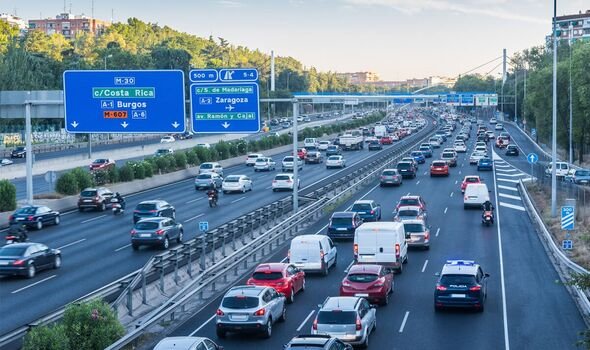
The inspection process involves two steps. First, officers conduct a preliminary visual check of the vehicle’s fuel tank cap for any signs of illegal modification or use. If anything suspicious is found, they will use specialized tools to extract a fuel sample from the tank. These samples are then sent to a laboratory for chemical analysis to definitively confirm if the fuel type is non-compliant.
Consequences of Violation: Hefty Fines and Potential Tax Recovery
Under current regulations, the illegal use of subsidized diesel is classified as a ‘serious administrative offense.’ If confirmed, violators face fines ranging from €600 to €6,000. Although this penalty does not involve points on the driving license, the Spanish Tax Agency (Agencia Tributaria) reserves the right to pursue action for tax evasion and may demand back payment of the relevant taxes. Furthermore, gas stations found illegally selling subsidized diesel could face massive fines and even the revocation of their business licenses.
