Core Objectives and Requirements of the New Law
To address the growing problem of food waste, the Spanish government has officially implemented Law 1/2025, which came into effect on April 2 of this year. Its core objective is to systematically reduce food loss and waste throughout the entire chain of production, processing, distribution, and consumption.
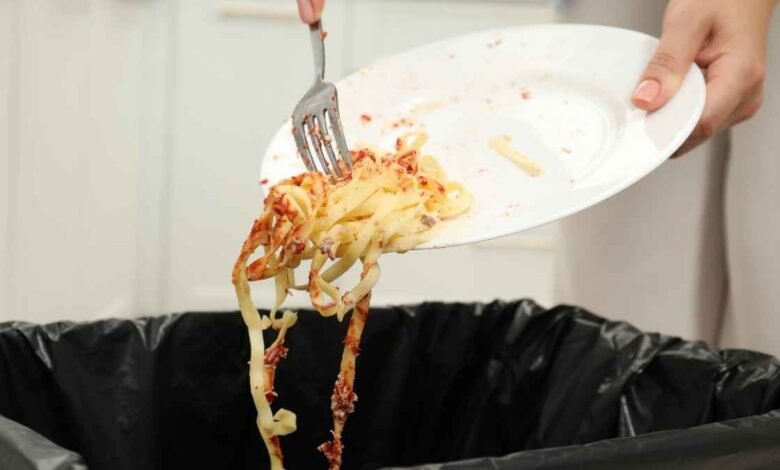
For the food service industry, the law mandates that every business must develop and implement a specific ‘Food Waste Prevention Plan.’ This means it is no longer legal to simply discard unsold or leftover food; all establishments must take active measures to manage it.
Legal Hierarchy for Handling Leftover Food
The new law establishes a clear and mandatory hierarchy of priorities for handling leftover food, which all food service operators must follow. This system aims to maximize the value of food and minimize environmental impact.
The specific order of handling is as follows:
- Human Consumption: This is the highest priority. The law explicitly requires restaurants and bars to proactively offer customers ‘doggy bags’ to take away leftovers in containers provided by the establishment.
- Social Donation: If food cannot be sold but is still fit for consumption, it should be prioritized for donation to food banks or non-governmental organizations (NGOs) to help people in need.
- Industrial Transformation: When food is not suitable for human consumption, it can be converted into animal feed or used for reprocessing in related food industries.
- Energy and Agricultural Conversion: As a secondary option, food can be used to produce compost, biogas, or other types of fertilizers.
- Final Disposal: Landfill is the last resort permitted by law, to be used only when all the above options are not feasible.
Defined Violations and Penalty Standards
To ensure the law’s enforcement, the relevant authorities will impose penalties based on the severity of the violation. The penalty system is divided into three tiers, designed to serve as a deterrent and an educational tool:
- Minor Infractions: Includes initial mistakes like failing to properly document food flow, subject to a warning or a fine of up to €2,000.
- Serious Infractions: For instance, not donating eligible food to food banks as stipulated, with fines ranging from €2,001 to €60,000.
- Very Serious Infractions: Repeated violations or actions causing significant food waste will face severe penalties from €60,001 to €500,000.
The Path to Compliance for the Food Service Industry
Faced with the challenges of this new regulation, all operators in the Spanish food service industry must urgently adapt their internal management processes to ensure full compliance. This is not only a necessary measure to avoid substantial fines but also a demonstration of social responsibility. For more detailed compliance guidance, businesses can refer to the official guide published by the Spanish Agency for Food Safety and Nutrition (AESAN), which provides specific operational advice on creating prevention plans and handling leftover food.
