When I first came to Spain, I was full of illusions about public universities—low tuition fees, a long history, and a rich academic atmosphere. The result? Well, reality hit me like a ton of bricks. Today, as someone who’s been through it all, I’m here to give you the raw, honest truth about what it’s really like to study at a public university in Spain.
The Pitfalls We All Fell Into
Administrative Efficiency: It Doesn’t Exist!
When it comes to the administration at Spanish public universities, I’m truly at a loss for words. The school’s secretariat is a legendary entity; waiting two months just to get a student ID is standard procedure. Emailing with a question? It’s like sending a message into a black hole; getting a reply is a matter of pure luck. Their work philosophy seems to be: “If I can’t see the problem, it doesn’t exist.” Expecting them to solve anything efficiently is less likely to work than going to church to pray. Every time you go to their office, there’s a permanent queue, and the staff are always off for a “tomar un café” (coffee break).
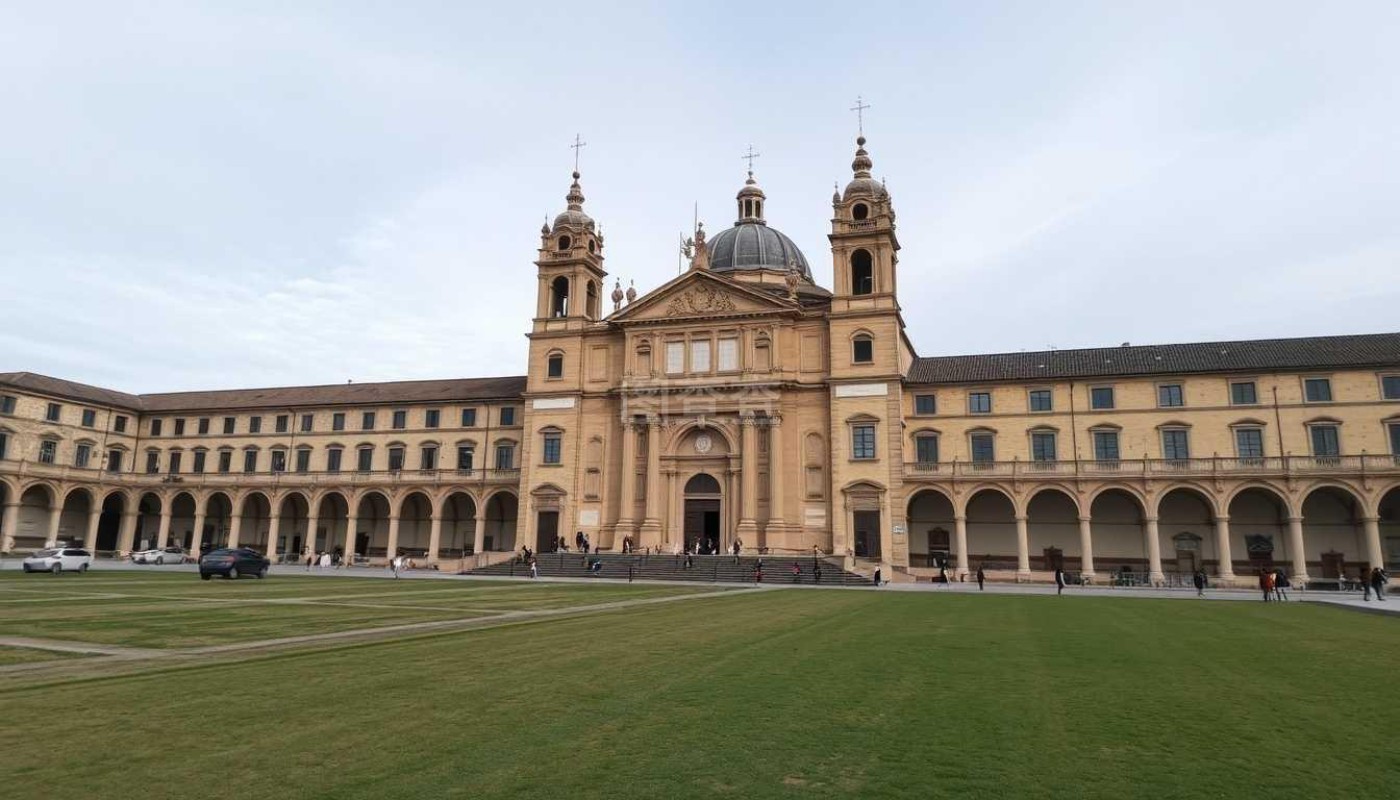
Course Registration System: The Hunger Games of Academia
The most thrilling event of the year isn’t a festival; it’s the online course registration. That system, I swear, is a relic from the last century. On registration day, it’s guaranteed to crash on schedule. By the time you finally get in, all the desirable courses are gone, leaving you with bizarre classes at ungodly hours. It’s truly a case of you snooze, you lose. The number of sleepless nights and hairs lost over course selection is countless. Getting into a popular professor’s class feels just like winning the lottery.
Professors and Courses: The Name of the Game is Whimsy
Think that’s the end of it? You’re too naive! Spanish professors are a unique breed. Some are genuine academic giants, dedicated and responsible, but others… well, they leave you speechless. Last-minute classroom changes and sudden schedule alterations are commonplace. The grading criteria? A complete mystery, often depending entirely on the professor’s mood. I once had a professor who refused to discuss the grading policy all semester, then assigned grades based on pure feeling. Let’s look at the gap between ideals and the reality of the worst Spanish universities:
| Your Expectation | The Reality at a Spanish University |
|---|
| Clear and detailed syllabus | Released a month after classes start |
| Prompt replies to email inquiries | Being left on “read” is the norm |
| Fair and transparent grading criteria | “Depende” |
All complaints aside, Spanish public universities aren’t all bad. The low tuition fees, the free academic environment, and the truly excellent professors who love to teach are all major draws. But if you’re someone who values efficiency, hates getting the runaround, and wants everything to be orderly, you really need to be mentally prepared before you come. This isn’t to say all Spanish universities are trash, but you need to know what you’re getting into. Do you have similar experiences? Feel free to share in the comments section and let’s see who had it worse!
