To all the new and prospective students in Spain, is it that time again to stress over choosing a major? As someone who’s been through it all, I want to share some brutally honest advice about those university majors that sound impressive but might leave you with tears of regret when you start job hunting. When I say ‘pitfall’, I don’t mean these subjects are worthless. I’m talking about majors with a very low return on investment in Spain’s current job market—degrees that make it incredibly difficult to find a relevant job or land a salary that meets expectations.
The saying ‘your choice matters more than your effort’ couldn’t be truer when it comes to picking a major. Many people follow their passion and choose a subject they’re ‘interested’ in, only to struggle through their studies and graduate to find the job market has no need for them. Spain’s economic structure is very different from back home, and some humanities majors that seem viable there can be a fast track to unemployment here. I’ve seen too many friends spend four years or more on a degree, only to end up working as personal shoppers, opening a restaurant, or moving back to their home country. Their university diploma becomes nothing more than an expensive piece of paper.
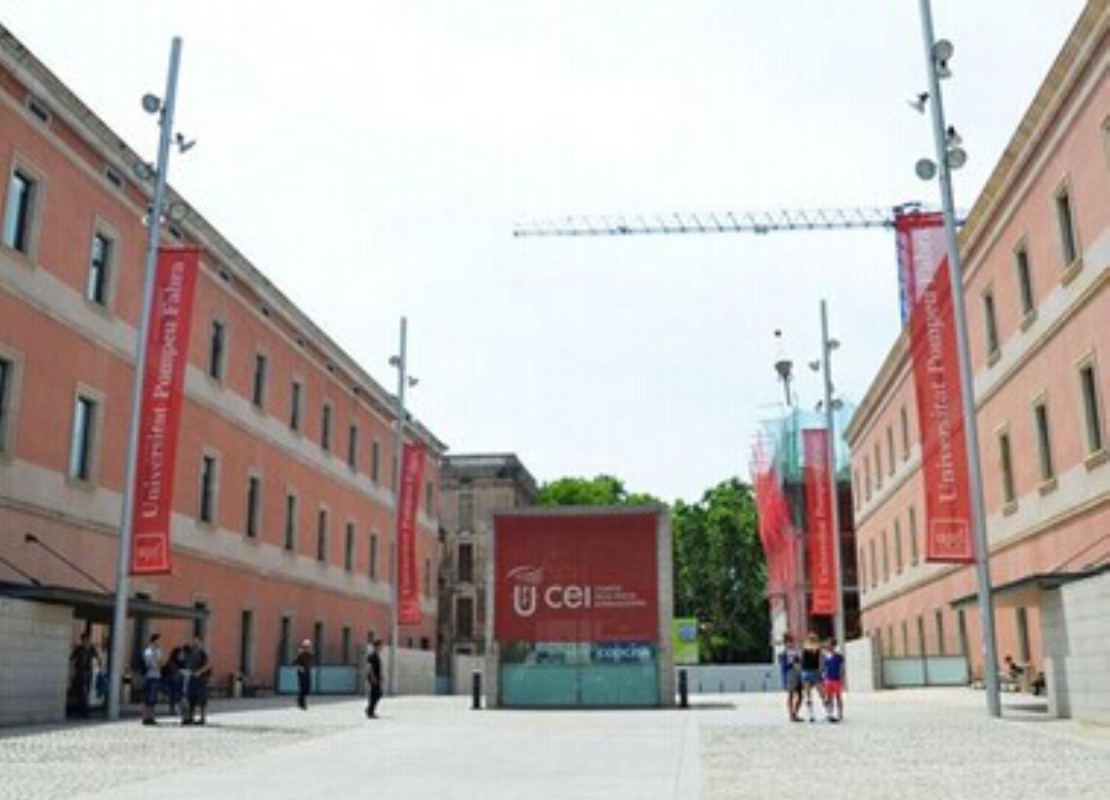
The Infamous ‘Pitfall’ Majors
To give you a clearer picture, I’ve put together a simple table (inspired by this discussion on underperforming Spanish universities) listing some of the most notoriously difficult majors for employment. Of course, this isn’t an absolute rule—there are always exceptional individuals who succeed against the odds. But for the average person, it’s worth taking note.
| Major | Main ‘Pitfall’ | Senior’s Advice |
|---|
| Philosophy | Extremely narrow career path; almost no relevant jobs besides being a high school teacher. | Unless you’re determined to pursue academia, you must minor in business, law, or computer science. |
| Art History | Sounds romantic, but positions in museums and galleries are scarce and highly competitive. | Combine it with practical skills like curating, digital media, or art conservation to broaden your options. |
| Classical Philology | Involves studying Ancient Greek and Latin, very profound, but… who uses it in the real world? | Unless it’s your absolute passion, stay away. Consider switching to modern linguistics or teaching Spanish as a foreign language. |
| Sociology/Anthropology | Highly theoretical with vague practical applications; companies rarely hire specifically for this major. | It’s recommended to do many internships and steer towards market research, user analysis, or human resources. |
However, nothing is set in stone. If it’s your true love, you are deeply passionate about a field, and—regardless of debates about so-called ‘bad’ universities in Spain—you’re prepared to pursue a PhD and dedicate yourself to academic research, then these majors could be your paradise. Or, if you’re financially secure and studying purely for personal enrichment, then you can ignore my advice. But if you’re like me, from an average family, hoping that studying abroad will be a stepping stone for your future career, then you really need to think twice and can’t afford to hold on to the naive idea that ‘as long as I work hard, everything will be fine’.
These are just my personal observations, and they’re highly subjective and certainly not exhaustive. Spain has a wide variety of universities and majors, and the situation can differ in each autonomous community. Therefore, I welcome everyone to add, argue against, or share your own real-life experiences in the comments! What other majors in Spain do you think are pitfalls? Or do you believe the majors I mentioned actually have good prospects? Let’s discuss!
