Hey everyone,
Lately, I’ve been researching universities in Spain and noticed that UCAM (Universidad Católica de Murcia) is getting a lot of attention. Besides its reputation for great sports, I was more curious about its academic quality and teaching style, which can differ from other Spanish university teaching models. I’ve spent some time digging up information and talking to current students and alumni. Here, I’m sharing my ‘research findings’ to help fellow students who are also in the process of choosing a university.
A Deep Dive into UCAM’s Teaching Model
First off, what really caught my eye is UCAM’s focus on a “small class size” model. Unlike many public universities in Spain with huge lecture halls packed with hundreds of students, UCAM’s classes are much smaller. I’ve heard that many major-specific courses are kept to around 20-30 students. The benefits are obvious: professors can give more personalized attention to each student, and we get more opportunities to interact, ask questions, and participate in class discussions. You no longer have to worry about being an ‘invisible face in the crowd’.
Another key point is UCAM’s strong emphasis on combining theory with practice. They don’t seem to promote a ‘study-just-for-the-exam’ approach. The university has close ties with many companies, providing students with numerous internship opportunities. The curriculum also includes many practical classes, case studies, and project assignments, all designed to help us apply what we’ve learned to solve real-world problems. Personally, I think this is a huge advantage for finding a job after graduation, especially for those who want to build a career in Spain. It helps alleviate the fear of being ‘unemployed upon graduation’.
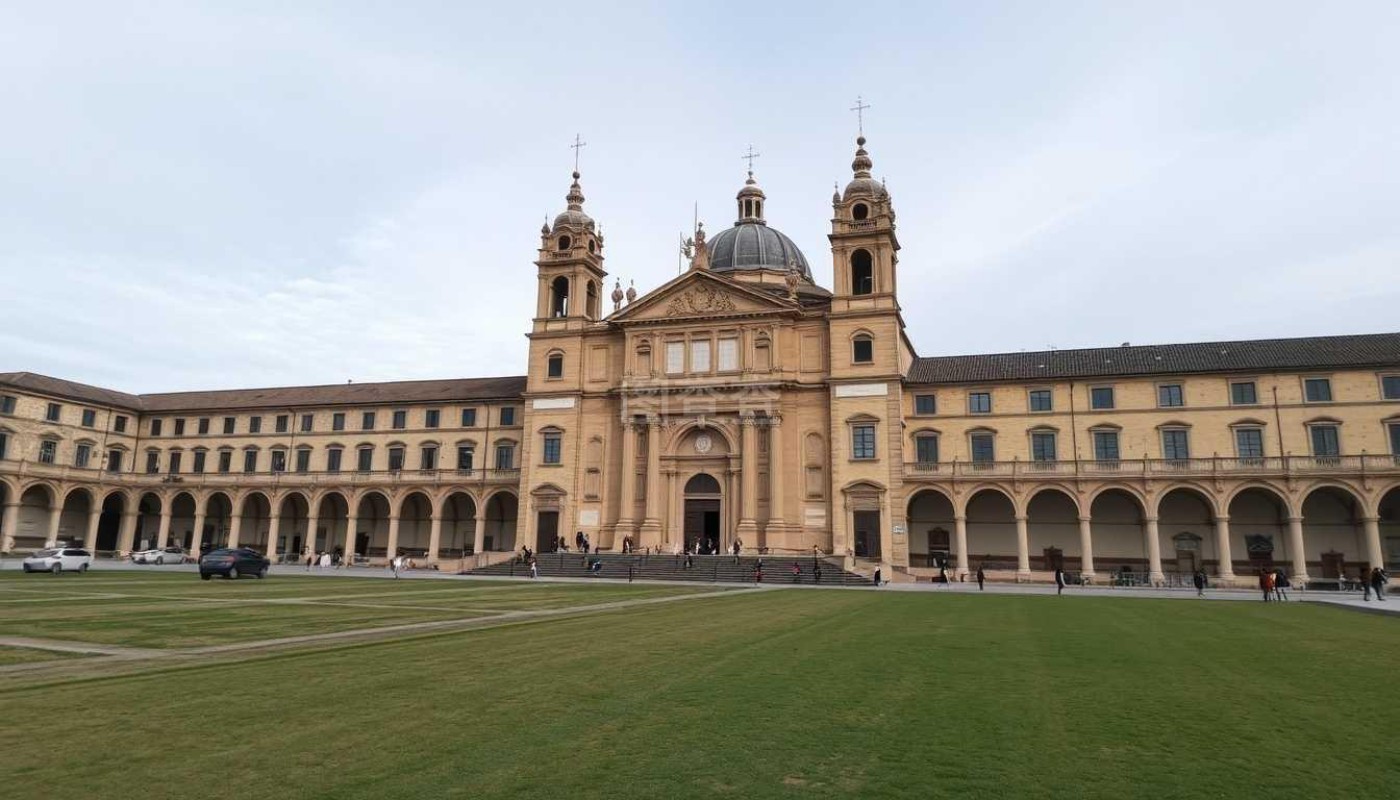
To provide a clearer comparison, I’ve made a simple table outlining some differences between UCAM’s model and the traditional public university approach:
| Feature | UCAM | Traditional Public University |
|---|
| Class Size | Small, highly interactive | Large lectures, primarily listening-based |
| Teaching Focus | Practical application, skill development | Theoretical research, academic foundation |
| Student-Professor Relationship | Close, with personal tutoring/mentorship | More distant, requires student initiative |
| Assessment Method | Diverse, with continuous assessment holding significant weight | Final exams are decisive (‘make or break’) |
UCAM’s teaching model feels more modern, focusing on students’ personal development and future career paths. It shatters the stereotype that Spanish universities are all theory and no practice. Of course, this doesn’t mean public universities are bad; they just have a different style and focus. If you’re someone who enjoys interacting with professors and classmates and wants to gain practical experience during your studies, then UCAM’s model might be a perfect fit for you. Is anyone currently studying at UCAM? Feel free to share your real-life class experiences in the comments
!
