There’s been a lot of buzz in online forums recently about Master’s programs in Spain. Today, I’d like to dive into the next step: pursuing a PhD here. Many people might think that Spain’s doctoral programs aren’t very famous or that options are limited. However, the truth is that Spain’s elite universities hide numerous “Elite PhD Programs” of exceptional value; the information is just a bit scattered and requires some digging.
When I say ‘elite,’ I’m not just talking about overall university rankings. I’m referring to a ‘Doctoral Programme of Excellence’ certified by the Spanish government or the EU. These programs typically offer stronger faculty, more research funding, a higher degree of internationalization, and… of course, a more challenging application process. Graduates receive a special ‘mention of excellence’ on their diploma, and its prestige is self-evident.
Where Can You Find These Hidden Gems?
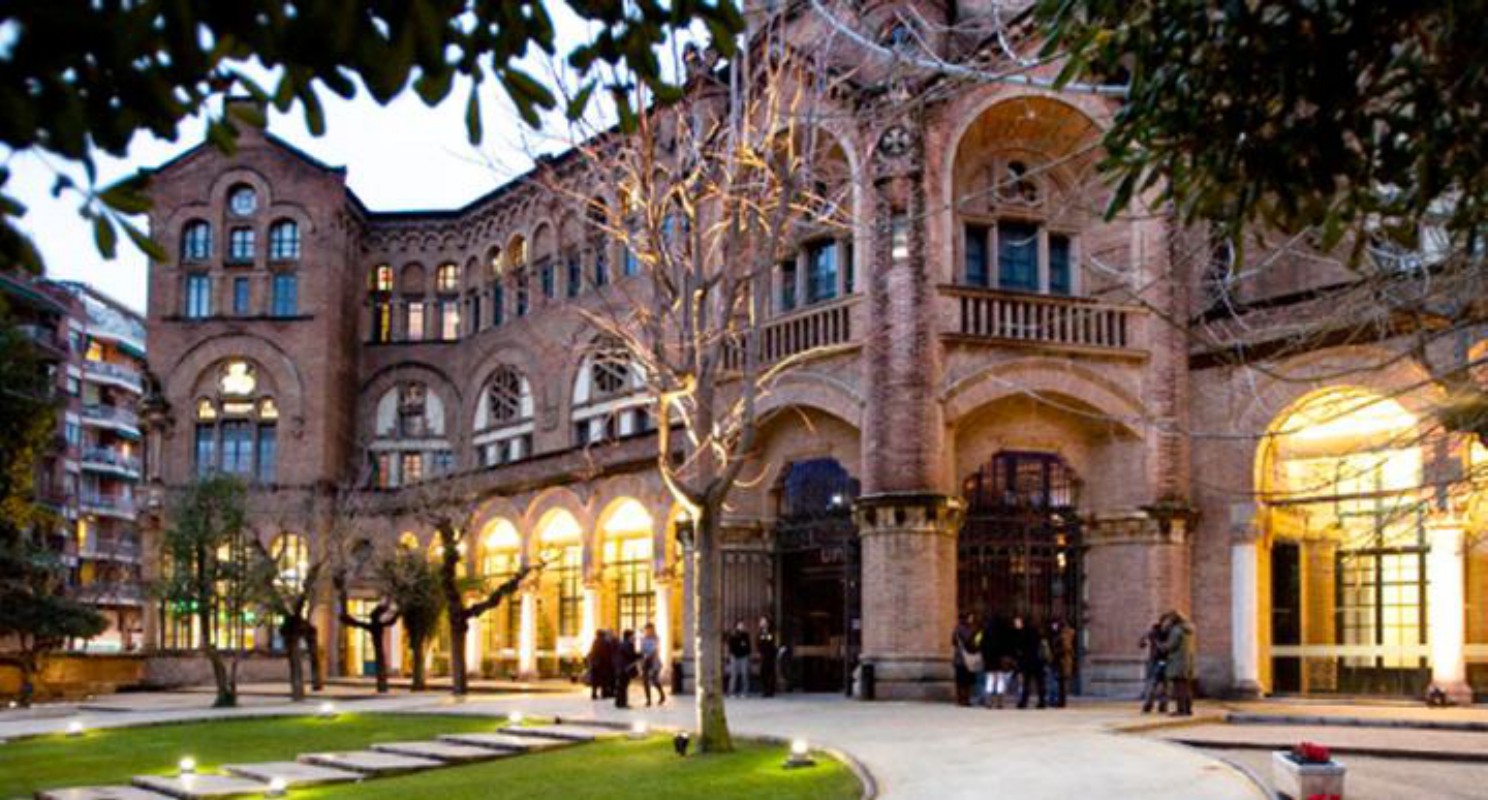
Spain’s strengths extend far beyond business and tourism. Many public universities boast world-class research teams in basic sciences, engineering, biomedicine, and the humanities. When applying, don’t just focus on major players like the Complutense University of Madrid or the University of Barcelona. Often, medium-sized universities with top-tier specialized strengths are a more suitable choice.
STEM and Biomedicine
Universities like the Polytechnic University of Catalonia and the Technical University of Madrid consistently top the rankings in engineering and architecture. In biomedicine, the research centers at the Autonomous University of Barcelona and Pompeu Fabra University are highly renowned. Many of these programs are taught in English, making them very accessible to international students.
Humanities, Social Sciences, and Arts
Don’t assume that humanities and social sciences are ‘easy’ fields. The University of Salamanca’s Hispanic Philology, the University of Granada’s Translation and Interpreting, and Charles III University of Madrid’s Economics and Law are all powerhouses in their respective areas. These programs offer very systematic doctoral training and place a strong emphasis on a solid theoretical foundation.
Here is a brief table for your reference to help you find your focus:
| Research Area | Recommended Universities/Institutions | Program Highlights |
|---|
| Nanoscience | ICN2 | A top research center, often in joint programs with UAB, etc. |
| Artificial Intelligence | University of Granada, Polytechnic University of Catalonia | Long history in AI research with a wide range of applications. |
| Economics | Barcelona School of Economics, UC3M | A top European hub for economics research; high mathematical demand. |
| Archaeology | Rovira i Virgili University (Tarragona) | Access to first-class archaeological resources related to a World Heritage Site. |
To apply for these programs, keep a few key points in mind: First, contact potential supervisors early on to express your research interests. Second, an outstanding research proposal is your key to opening the door, often more important than your GPA. Third, language doesn’t have to be a barrier. Many elite programs accept applications and dissertations in English, though learning some Spanish will undoubtedly make your life and research smoother.
Spain’s doctoral education resources are definitely underrated. If you are serious about pursuing in-depth academic research, consider looking into these ‘niche but excellent’ elite programs. Of course, the application process will be more demanding—coasting is not an option—but the rewards are absolutely worth it. I hope this post gives you some inspiration, and I welcome experts and those in the know to add their insights and corrections in the comments!
