Hey everyone! I’ve been a lurker on this forum for a while and have seen many people asking about studying in Spain, especially for bachelor’s or master’s degrees. As someone who’s been through it, I want to share some of my real experiences and insights to help those in need. Studying in Spain is truly a life-changing decision; the sunshine, food, and relatively relaxed academic atmosphere will really make you fall in love with this place!
The Application Process Isn’t as Complicated as It Seems
Many people feel overwhelmed just thinking about university applications, but Spain’s process is actually quite straightforward. For prospective undergraduate students, the most crucial step is to have your national college entrance exam scores converted to the Spanish equivalent, which is typically handled by the official body, UNEDasiss. Language proficiency is a strict requirement; most Spanish-taught programs at public universities require a B2 level. Therefore, a DELE B2 or an equivalent SIELE certificate is pretty much essential to meet the conditions for advanced studies at Spanish universities
. Applying for a master’s degree is a bit more flexible, mainly focusing on your GPA, language scores, and personal statement, but the requirements vary by university and program, so you need to check their official websites carefully.
Public vs. Private? A Breakdown of Tuition and Living Costs
Choosing between a public or private university is a dilemma for many families, with the main difference being tuition fees. I’ve put together a simple table so you can see the difference at a glance:
| Feature | Public University | Private University |
|---|
| Tuition/Year | €1,000-€4,000 | €8,000-€20,000+ |
| Application Difficulty | Higher, based on score conversion | More flexible, focuses on application materials |
| Language Requirement | Mostly Spanish-taught | Some English-taught programs available |
| Teaching Style | More theoretical, emphasizes independent study | More practical, small class sizes |
In terms of living expenses, in big cities like Madrid and Barcelona, renting a room in a shared apartment costs around €400-€600/month. Including food and transportation, a monthly budget of €800-€1,000 is quite normal. If you go to university towns like Salamanca or Granada, the cost of living is significantly lower; you can live comfortably on €600-€800 a month.
When you attend university in Spain, you’ll find the pace is completely different from what you might be used to back home. There are lots of holidays, professors are often more casual in their lectures, and the classroom atmosphere is relaxed. But don’t think you can just slack off the whole time; the pressure from final exams and papers is still immense, and it really tests your consistent effort and self-discipline
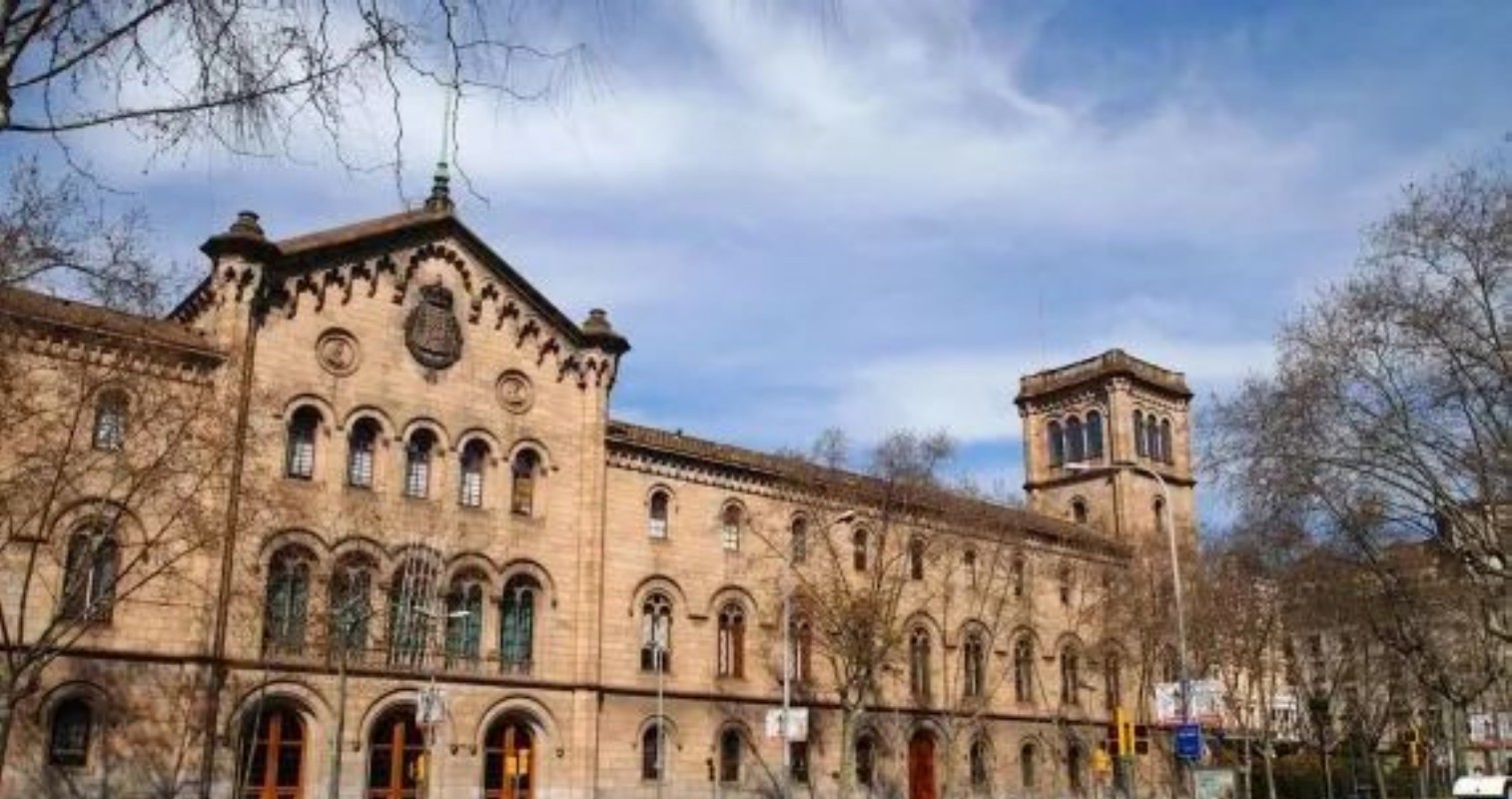
! You can’t afford to skip out on daily work, or you’ll be in for a tough time during finals. Nevertheless, experiencing the academic atmosphere at one of the oldest universities here is a unique experience in itself.
Finally, here are a few small tips. Language is always the top priority; it determines the quality of your learning and the ease of your daily life, so start learning as early as possible. Second, don’t be afraid to speak up. Spanish people are generally very warm and friendly, and the more you ask questions and interact, the smoother things will go for you, both academically and personally. Although sometimes a professor’s Southern Spanish accent can be a real headache, that’s all part of the study abroad experience, right? I hope my sharing has been helpful. If you have any questions, feel free to leave a comment below, and I’ll reply when I see it!
