A “Freak of Nature” Becomes a New Reality
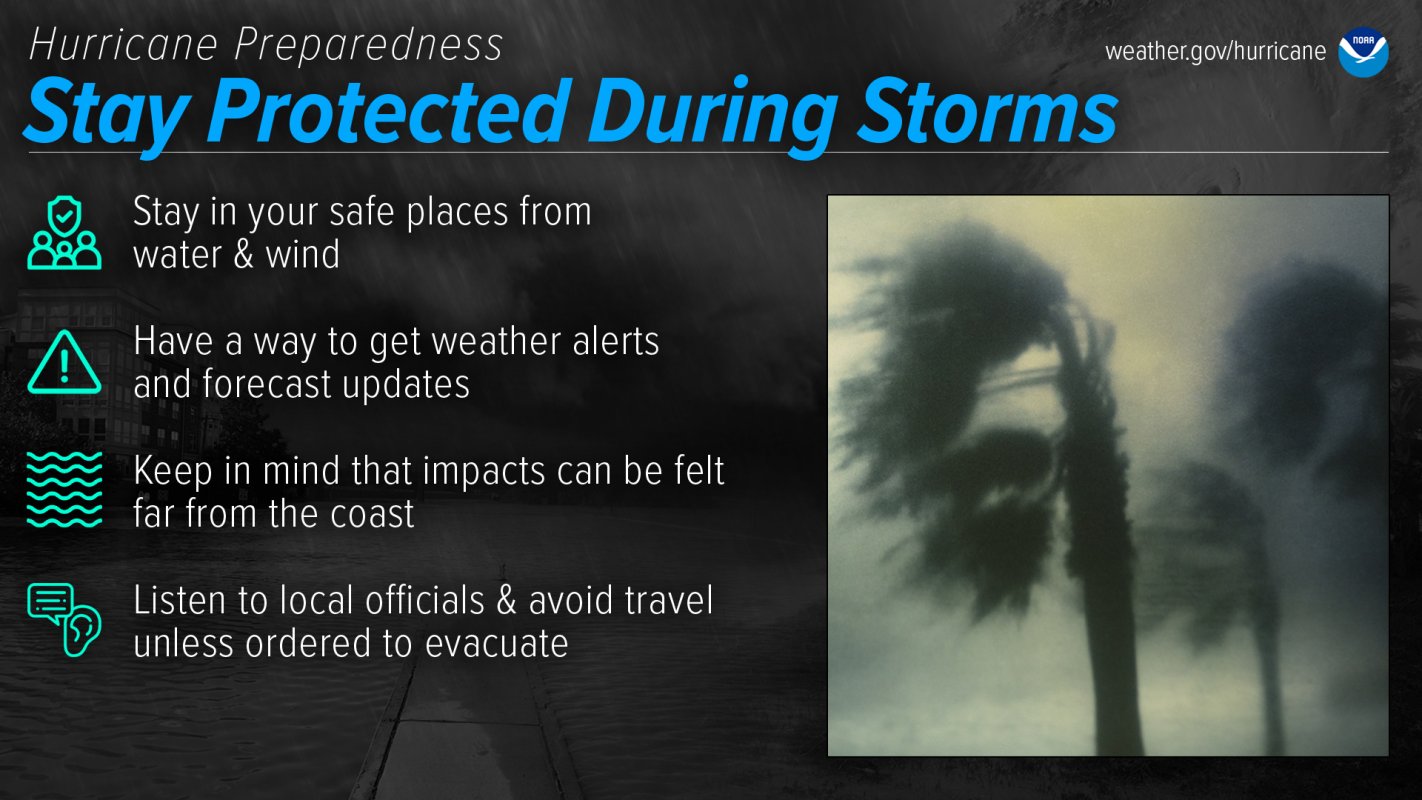
The scientific community has recently issued a warning: the Mediterranean Sea (Mar Mediterráneo) is experiencing a dangerous climate phenomenon that poses a growing threat to its coastal regions. A type of cyclonic system with both tropical and subtropical characteristics, known as a ‘Medicane,’ is becoming increasingly frequent and intense.
In the 1980s, this phenomenon was considered a rare ‘freak of nature’ by some scientists, as the Mediterranean was widely believed to be too small and its waters not warm enough to sustain systems similar to tropical cyclones. However, current data and observations confirm that Medicanes have evolved into a reality that cannot be ignored. These storm systems feature organized spiral cloud bands, powerful winds, and heavy rainfall. In some intense cases, they even form a clear ‘eye’ structure, with destructive power comparable to that of a tropical cyclone.
Rising Sea Temperatures: The Storm’s Fuel Source
The primary driver behind the intensification of this phenomenon is the continuous and abnormal rise in Mediterranean sea temperatures. Tropical cyclones require a significant amount of heat and moisture, which they draw from warm ocean surfaces. Monitoring data shows that between 1990 and 2020, the surface temperature of the Mediterranean Sea rose steadily at a rate of approximately 0.4°C per decade.
During recent Medicane events, the surface temperature in the affected sea areas was up to 2°C higher than the historical average for the same period. This significant temperature anomaly provides ample ‘fuel’ for the formation and sustenance of powerful storms, turning the region into a breeding ground for extreme weather events.
Real-World Cases: From “Ianos” to “Jolina”
A series of recent events confirms this worsening trend. In September 2020, Storm ‘Ianos’ shocked the Mediterranean region with its powerful winds and severe flooding. This was followed by Storm ‘Daniel’ in September 2023, which caused catastrophic consequences in countries like Libya.
Climate models and current trends, such as the prediction of storms like ‘Jolina’ by 2026, indicate that the Mediterranean’s capacity to generate powerful storm systems is continuously increasing. These frequent severe weather events clearly show that climate change is profoundly altering the meteorological patterns of the Mediterranean. Coastal nations must take immediate action to prepare for more frequent and destructive extreme disasters in the future.
