Report on Poverty in Spain: Structural Challenges and the Housing Crisis
According to the annual ‘State of Poverty in Spain’ report by the European Anti-Poverty and Social Exclusion Network (EAPN España), despite continuous improvements in Spain’s macroeconomy and job market, deep-seated issues of poverty and social exclusion have seen no substantial improvement over the past decade. Currently, this problem affects approximately 12.6 million people nationwide.
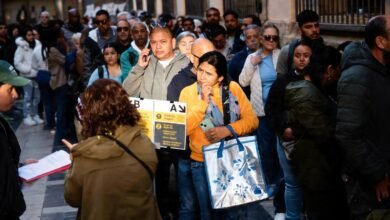
The State of Poverty: Stagnant Data
The report provides a detailed analysis of the three key indicators that constitute the risk of poverty and social exclusion, showing that they have remained high for a long time:
- Risk of Poverty: About 19.5% of the population lives below the at-risk-of-poverty threshold.
- Severe Material and Social Deprivation: 8% of the population is in this state, facing a lack of basic resources.
- Low Work Intensity: Another 8% of the population lives in households with very low work intensity.
Overall, 25.7% of the population (approximately 12.6 million people) meets at least one of these criteria. The report notes that existing social policy tools have nearly reached their ‘maximum effectiveness’ in tackling this persistent issue, making it difficult to achieve fundamental change.
The Housing Crisis: A New Core Driver of Poverty
The report specifically highlights that soaring housing costs are becoming a new, central driver of poverty. Data shows that the proportion of Spain’s population that rents has significantly increased from 14.3% in 2008 to 20.8% in 2025.
More critically, renters are far more economically vulnerable than homeowners. Among renters, the rate of those at risk of poverty or social exclusion is a staggering 43.6%. This figure starkly reveals the immense impact of the housing market on people’s financial stability. Experts warn that even if a household’s income is above the official poverty line, rising rents can push them into de facto economic hardship.
Specific Vulnerable Groups and a Call for Policy
The report’s analysis finds that children, single-parent families, people with disabilities, and the immigrant population remain the groups most severely affected by poverty. Their situation highlights the structural inequalities within society.
However, the report also acknowledges the buffering effect of the existing public welfare system. It is estimated that thanks to public transfers and social benefits, about 11 million Spaniards are saved from falling into deeper poverty. Yet, this does not solve the underlying structural problems. Therefore, EAPN España’s report calls on the government to adopt more ambitious and comprehensive policies, including strengthening the social security system, effectively controlling housing costs, and expanding family support measures, in order to break the vicious cycle of long-term, entrenched poverty.
