Strict Ecological Protection and Visitor Limits
Located at the mouth of the Ría de Arousa in the Rías Baixas region of Galicia, Spain, Sálvora Island is a key part of the Atlantic Islands of Galicia National Park (Parque Nacional das Illas Atlánticas de Galicia). To protect its fragile ecosystem, the island enforces strict access management, limiting the number of daily visitors to 125. This policy ensures the island’s natural landscapes and biodiversity are shielded from the impacts of over-tourism, making it one of the best-preserved natural treasures on the Spanish coast.
Visiting Historic Ruins Frozen in Time
The island’s cultural landmarks are equally captivating. The ruins of an abandoned ancient village, with its stone houses, bear witness to the lives of a former fishing community that coexisted with the sea. There is also an iconic building converted from an old salting factory and a historic lighthouse built in the early 20th century. Together, they form Sálvora Island’s unique cultural heritage, offering visitors a window into the past. These silent structures blend seamlessly with the natural surroundings, telling the story of the island’s history.
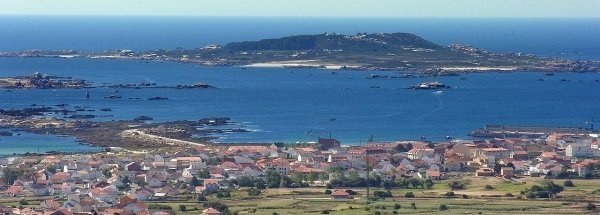
Pure Natural Scenery and Pristine Beaches
Sálvora Island’s natural beauty is showcased in its rugged, undeveloped coastline. The island is dotted with several tranquil coves and pristine beaches, including Area dos Bois, Os Lagos, and Playa do Castelo. These spots are renowned for their crystal-clear waters and vegetation largely untouched by human activity, presenting a rare and pure landscape on Spain’s Atlantic coast. For nature lovers, it is the perfect place to experience an unspoiled coastal environment.
Visitor Information and Environmental Responsibility
Visitors planning a trip to Sálvora Island must travel by boat from various ports in the Rías Baixas region, a journey that offers stunning views of the Ría de Arousa. It is important to note that there are no commercial facilities on the island, such as restaurants, shops, or accommodations. All visitors must bring their own water and food and strictly adhere to the ‘Leave No Trace’ principle, taking all personal belongings and trash with them upon departure to help preserve this precious natural environment.
