A Secluded Haven for Celebrities
The town of Casarrubios del Monte is located on the border between the regions of Castilla-La Mancha and Madrid, belonging to the La Sagra area in the province of Toledo. Despite being just a 45-minute drive from the capital, Madrid, its unique location and abundant green spaces offer excellent privacy. In recent years, the town’s population has steadily grown to about 7,400 inhabitants.
This peaceful land has attracted many wealthy and famous individuals seeking tranquility, including the two-time Goya Award winner and renowned Spanish actor, José Coronado. It is reported that he purchased a private estate here years ago as a secret hideaway to escape the hustle and bustle of the city and enjoy a quiet life.
Once a Temporary Capital of the Kingdom
Besides being a modern-day paradise, Casarrubios del Monte has played a significant role in Spanish history. During the Middle Ages, it was an important royal stronghold and a site for royal palaces.
Two key historical moments took place here:
- 1469: King Enrique IV of Castile officially declared his half-sister, Isabella I, as the heir to the throne here, laying the groundwork for the future unification of Spain.
- 16th Century: Over 150 years after Isabella I was declared heir, King Philip II (Felipe II) convalesced here due to illness. During this period, he moved his entire court to the town, effectively making it the acting capital of the Spanish Kingdom for a whole month.
Architectural Treasures Through the Centuries
Nearly a thousand years of history have left the town with a rich and valuable architectural heritage. Strolling through it feels like stepping back into the Middle Ages. The main historical sites include:
- Church of Santa María de la Natividad (Iglesia de Santa María de la Natividad): Built in the 16th century, it showcases the distinct Herrerian architectural style (Estilo Herreriano), with particularly exquisite interior murals.
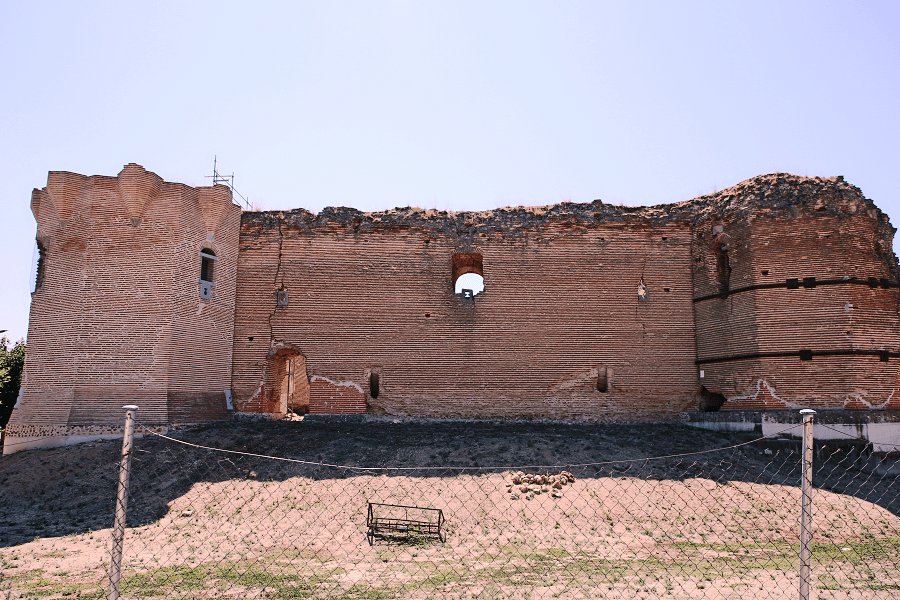
- Mudejar-style Castle (Castillo de estilo mudéjar): Its history dates back to the 14th century and stands as a testament to the town’s early history.
- Cistercian Monastery of the Holy Cross (Monasterio cisterciense de la Santa Cruz): A building steeped in religious and historical atmosphere.
- Ruins of an Ancient Palace and Church: Including the remains of an old 15th-century palace and the ruins of the Church of San Andrés (Iglesia de San Andrés), which together outline the town’s former glory.
This perfect blend of historical depth and modern secluded living is attracting an increasing number of visitors, including members of the international community, for weekend trips to experience the unique charm of the Spanish countryside.
