Rising Bank Fees Increase Financial Pressure on Households
According to a new report by Spain’s Association of Financial Users (Asufin), the financial burden on Spanish residents is growing due to persistently rising bank fees. The data reveals that the average resident pays up to €167 annually in bank charges, covering services like account maintenance, annual card fees, and money transfers.
The report forecasts that by 2025, the total amount of fees collected by Spanish banks will increase by approximately €1 billion compared to 2024. Although digital transformation should theoretically reduce banks’ operating costs, the fees passed on to consumers have increased. Amidst the European Central Bank’s interest rate hikes, banks are already profiting significantly from loan interest; the simultaneous rise in fees further boosts their profitability, making these charges a significant and unavoidable fixed expense for Spanish households.
Technology Empowers Tourism as Smart Beaches Lead a New Trend
In contrast to the cost pressures in daily life, Spain’s tourism industry is undergoing a technology-driven intelligent upgrade. Traditional beaches are gradually transforming into ‘smart beaches’ that integrate safety, efficiency, and sustainability.
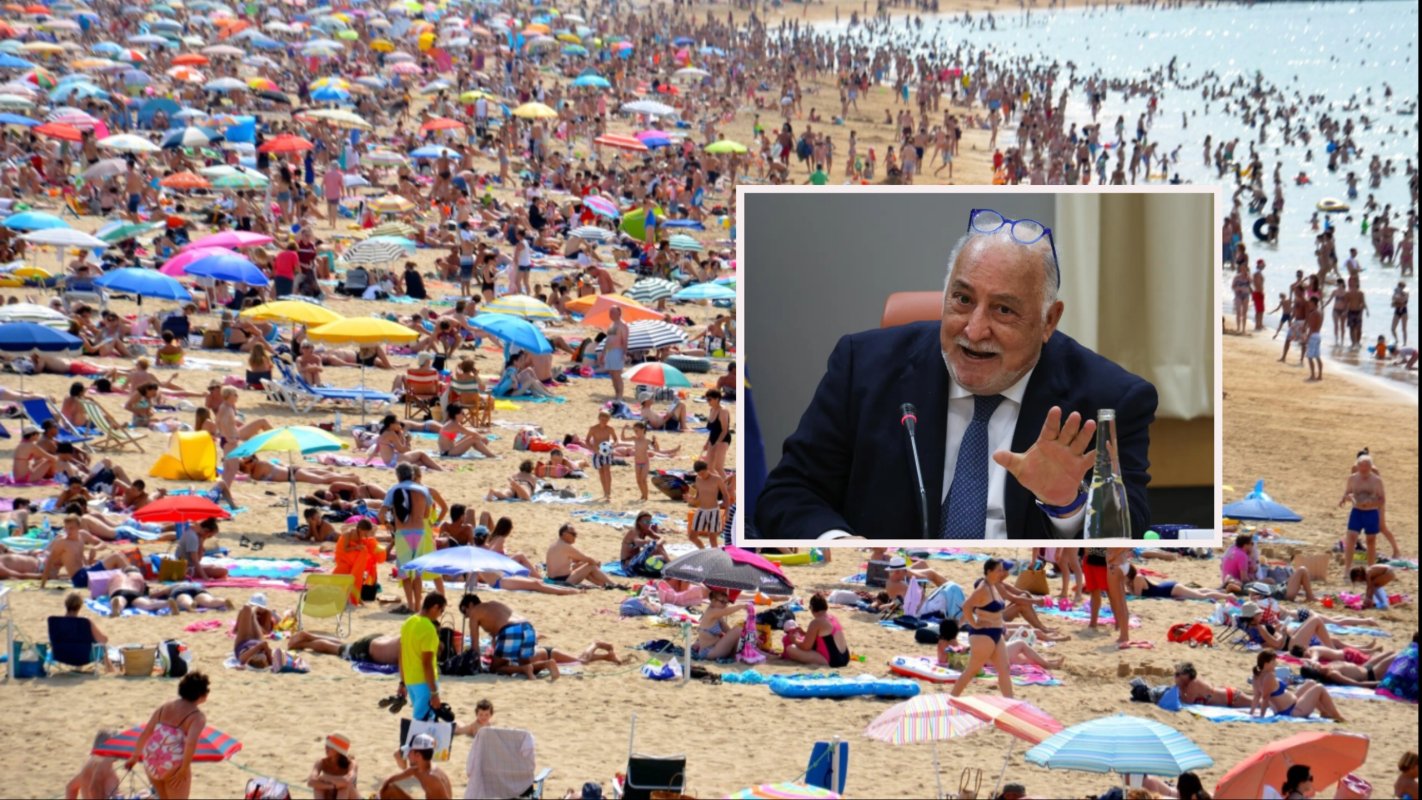
A range of cutting-edge technologies are being implemented. For example, thermal imaging cameras allow authorities to monitor crowd density in real-time for effective crowd control. Environmental sensors collect data on water quality and weather conditions, providing a scientific basis for visitor safety and environmental protection. Furthermore, drones play a crucial role in emergency response, quickly locating and delivering rescue equipment in emergencies like drownings, significantly improving response times. This trend is also fostering an ecosystem of new tech companies specializing in digital solutions, with services that could expand from local to international markets.
A Macro-Policy Shift: The EU Strengthens Border Control
On a broader level, facing continuous illegal immigration and border pressures, the European Union’s immigration policy is undergoing a significant shift. The previous emphasis on ‘openness and free movement’ is gradually being replaced by stricter border controls and deportation mechanisms. This change signals the formation of a more closed and defensive approach to migration governance.
Specific measures include building or reinforcing physical border barriers to improve interception capabilities and accelerating the repatriation process for migrants without legal residency. Some countries are even pushing for the establishment of ‘repatriation centers’ to manage groups awaiting deportation. This policy shift has sparked intense debate within the EU. Supporters argue it will help restore border order, while critics worry it could undermine the EU’s humanitarian values.
A Shift in Consumer Values: From Material Possession to Experience-First
The global consumer market is also undergoing a profound transformation, a trend that is increasingly evident in Spain. Traditional luxury consumption, focused on items like watches, jewelry, and high-end cars, is giving way to ‘experiential spending,’ exemplified by premium travel. Luxury hotel stays and Michelin-starred dining experiences are becoming the new symbols of social status.
Data shows that growth in the global luxury goods industry has slowed, with future growth rates projected at no more than 4%, indicating market saturation. In contrast, demand for high-end tourism and services remains stable. Against this backdrop, Spanish cities are actively competing for market share. Madrid is projected to surpass Barcelona by 2027 in its number of five-star hotels, showcasing its ambition to rise in the global luxury tourism market.
Daily Life Details: Common Pitfalls in the Vehicle Inspection (ITV)
In daily life, seemingly minor details can also impact residents’ expenses and convenience. Spain’s annual vehicle inspection, the ITV (Inspección Técnica de Vehículos), is a prime example. Many car owners focus only on major items like tires and brakes before the test, but fail due to overlooking certain ‘small parts.’
Automotive repair experts warn that in addition to tire pressure and wear, an illuminated airbag warning light on the dashboard is a critical reason for failure. The inspection also focuses on whether there are any sharp or broken parts on the vehicle’s exterior that could harm pedestrians. Other common reasons for failing the ITV include faulty lighting systems, suspension problems, and excessive emissions. Performing a thorough self-check beforehand can effectively save the time and money lost from re-inspections.
