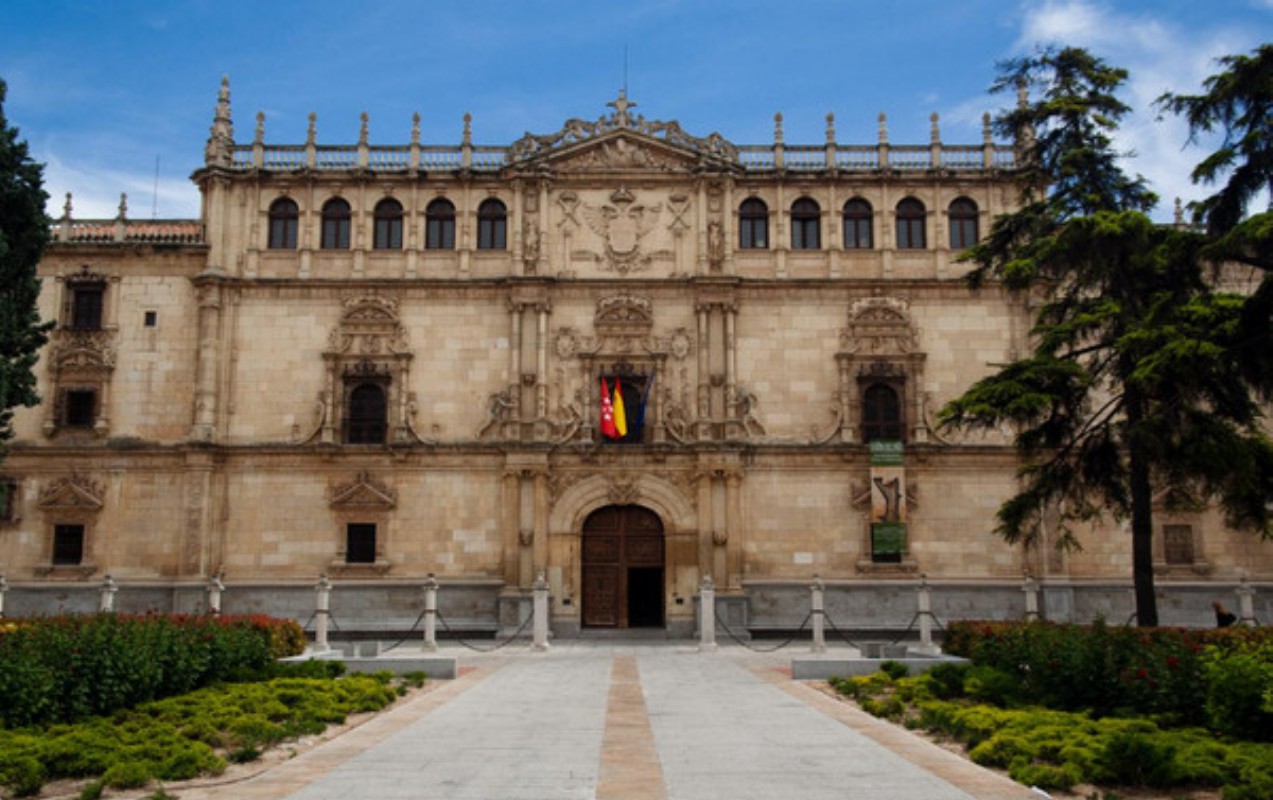
Hey everyone! I’ve been a lurker here for a long time, but I’m finally popping up to share some exciting news: I’ve successfully received a PhD offer from a university here in Madrid! Among us, we affectionately call it ’Queen’s University’ because it’s located near the Reina Sofía National Art Centre, but its official name is the Complutense University of Madrid. The application process was quite a journey with its ups and downs, so I wanted to write down my experience to hopefully help other students with similar plans.
Preliminary Preparations for a PhD Application
To apply for a PhD in Spain, a relevant master’s degree is a mandatory requirement. Your master’s coursework and transcripts are direct proof of your academic capabilities. Next is language. While many PhD programs in STEM fields accept English, having a DELE B2 level or higher in Spanish gives you a significant advantage when choosing a supervisor and integrating into a research group. I applied for a program in the humanities and social sciences, so Spanish was an absolute necessity. Most importantly, you must have a clear research direction! This isn’t like a master’s application; you need to know exactly what you want to research, otherwise, contacting supervisors and drafting a research proposal will be impossible.
The Crucial Step: Contacting and Choosing a Supervisor
Unlike the UK/US system, the decision-making power for PhD admissions in Spain lies heavily with the supervisor. Therefore, for universities like Spain’s ’Queen’s University’, contacting potential supervisors is the most critical part of the entire application process. I started searching for supervisors on the university’s official website about 8 months in advance, focusing on whether their research fields and published articles aligned with my interests. When writing your first email, be concise and get straight to the point. Attach your CV and a brief research proposal, showing that you are familiar with their work and that you could bring value to their projects. Don’t send mass emails! The strategy of casting a wide net simply doesn’t work here. Once you receive a positive response, you can begin a more in-depth discussion. The whole process really tests your patience.
After successfully getting a positive response from a supervisor, preparing the official application materials becomes the natural next step. Each university’s Doctoral School website has detailed requirements, but they are largely similar. I’ve organized the main documents and a suggested timeline into a table for your reference:
| Document/Task | Suggested Timeline |
|---|
| Finalize Research Direction & Potential Supervisors | 8-10 months before applying |
| Prepare CV and Draft Research Proposal | 6-7 months before applying |
| Contact Supervisors & Get Preliminary Approval | 4-6 months before applying |
| Prepare Notarized/Legalized Official Documents (Master’s Degree, Transcripts, etc.) | 3-4 months before applying |
| Language Proficiency Certificate | Ensure it’s valid 3 months before applying |
| Submit Official Application via University Portal | Usually April-June, or a second round |
Lastly, a word on bureaucracy: as many of you may know, administrative processes in Spain can be slow, so after submitting your application, be prepared for a long wait. You have to stay patient. It took me almost a full year from sending my first email to a supervisor to finally receiving the offer. But the moment I saw that acceptance email, it all felt worthwhile! I hope my sharing can be of some help to you all. Wishing you the best of luck with your applications and hope you all successfully land your spots! ¡Mucho ánimo
!
