A “Silent Epidemic”: High Prevalence and a Worrying Trend Among Youth
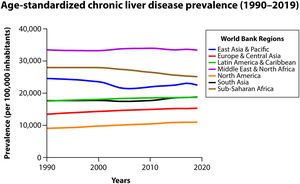
The Spanish Society of Endocrinology and Nutrition (SEEN) has recently warned that fatty liver disease associated with metabolic dysfunction constitutes a serious public health problem in Spain. According to statistics, about a quarter of the country’s adult population (approximately 25%) is affected. Because it shows almost no obvious symptoms in its early stages, many patients are only diagnosed when the condition has progressed to cirrhosis or even liver cancer, earning it the name “the silent disease.” More alarmingly, cases are rapidly spreading among younger demographics, including children and adolescents.
Understanding the Causes: The Price of Modern Lifestyles
Experts believe the surge in fatty liver disease prevalence is closely linked to modern lifestyles. Obesity, type 2 diabetes, and a sedentary lifestyle are the main risk factors. Furthermore, excessive consumption of sugary drinks and ultra-processed foods has significantly driven the disease’s progression. As childhood obesity rates in Spain continue to rise, a growing number of adolescents are being diagnosed with fat accumulation in the liver, with issues like insulin resistance and metabolic disorders also increasingly seen in younger populations.
Systemic Risks: Dangers Beyond the Liver
The impact of fatty liver disease is not confined to the liver. It significantly increases the risk of multiple complications, including cardiovascular disease, type 2 diabetes, high blood pressure, chronic kidney disease, and sleep apnea syndrome. A crucial, often overlooked point is that the leading cause of death in patients with fatty liver disease is not the liver condition itself, but cardiovascular events. Therefore, medical experts strongly recommend that high-risk individuals—such as those with obesity, diabetes, and metabolic syndrome—undergo proactive screening.
Prevention and Treatment: A Reversible Condition and a Stark Warning
Despite the serious situation, the medical community widely agrees that fatty liver disease is largely reversible. The most effective interventions currently include: weight loss through a healthy diet and exercise, strict adherence to the Mediterranean diet, regular physical activity, and effective control of blood sugar and lipid levels. However, experts have also issued a stern warning: fatty liver disease is currently the third leading cause of liver cancer among adults in Spain. If the current growth trend is not curbed, it could become the primary cause within the next decade.
