The Core Issue: Network Upgrades Create a Safety Hazard
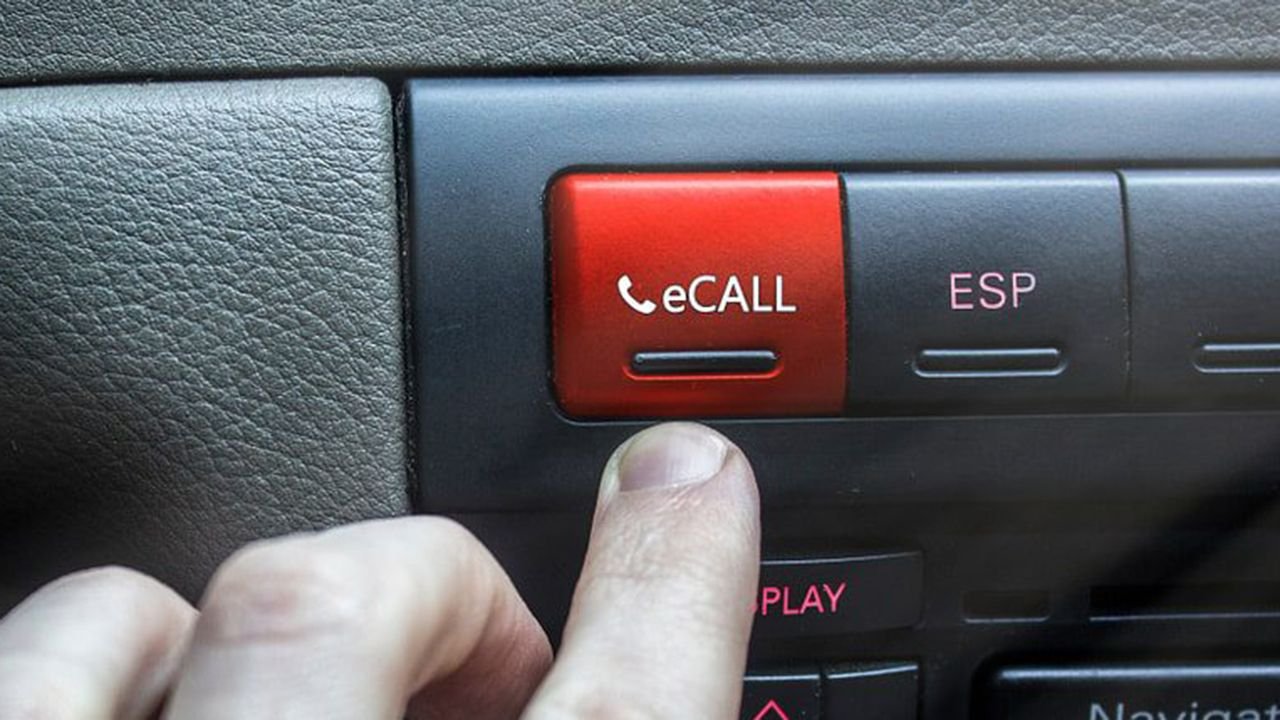
A life-saving in-vehicle technology is facing a major challenge due to the evolution of communication networks. Since 2018, the European Union has mandated that all new cars be equipped with the eCall automatic emergency call system. In the event of a serious collision, this system automatically dials emergency services (such as 112) and transmits crucial data like the accident’s location. It’s the technology powering the SOS button found in many vehicles. The problem, however, lies in the fact that many cars manufactured between 2018 and 2026 were fitted with eCall modules designed to operate on the 2G or 3G networks, which are now being phased out.
The Situation in Spain: Major Operators’ Shutdown Timetable
With the widespread adoption of 4G and 5G, telecom operators across Europe are phasing out older 2G and 3G networks to free up spectrum. In Spain, the timeline is becoming clear: Telefónica plans to discontinue these services by 2027. Similarly, Orange is expected to shut down its 3G network in 2027 but intends to keep its 2G network operational until around 2030. This transition means that the emergency call function in vehicles dependent on these networks will progressively lose service support.
Scope of Impact: 64 Million Vehicles Across Europe Could Be Affected
According to an assessment by the European Commission, without effective countermeasures, the eCall function in approximately 64 million vehicles across Europe could be impacted by the 2G/3G network sunset. For vehicle owners, this change is unnoticeable during normal driving. However, should a major accident requiring emergency assistance occur, the failure of this automatic alert system could severely delay rescue response times, directly endangering the lives of the driver and passengers.
Response Strategies: The EU Seeks Transitional Solutions
Confronted with this potential public safety crisis, the EU is actively exploring solutions. Two main strategies are under consideration. The first is offering a hardware upgrade for the communication modules in affected vehicles to ensure compatibility with 4G and 5G networks, though this cost would likely fall to the vehicle owners. The second approach involves encouraging member states to take coordinated action to keep at least one 2G network operational until 2030. This latter option is considered a crucial transitional measure to guarantee that millions of existing vehicles retain this vital safety feature during the interim period.
