The “Silent Killer” in Your Daily Drive
For those who drive daily, a seemingly harmless habit—incorrect posture—may be causing continuous damage to their bodies. Many drivers fail to maintain a proper position, with common mistakes including leaning forward, hunching over with an unsupported lower back, or adjusting the seat too far back, forward, or close. Experts warn that even on short trips, the cumulative effect of these poor postures can pose a serious threat to the neck, shoulders, back muscles, and lumbar spine.
The Cumulative Effect of Poor Posture
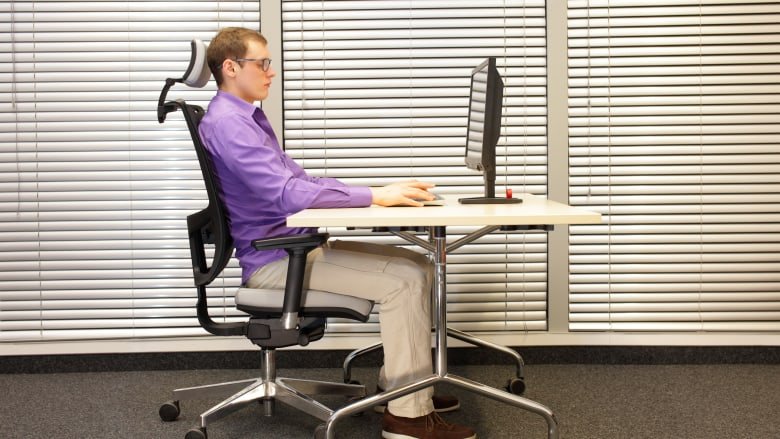
Scientific studies show that driving with incorrect posture for extended periods significantly increases the pressure on the spine and intervertebral discs. This constant load can lead to lumbar muscle fatigue and overstretched ligaments, and over time, may even alter the spine’s natural curvature. The immediate consequences often manifest as chronic lower back pain, stiffness in the neck and shoulders, and muscle spasms. For office workers who already spend long hours at a desk, poor driving posture compounds the problem, further damaging the spine and potentially leading to irreversible conditions like a herniated disc.
Professional Advice from the Spanish Back School
To address this common issue, experts from the Spanish Back School (Escuela Española de la Espalda, EEDE) provide clear guidance. The key to achieving the correct driving posture is to ensure the lower back is fully supported.
Here are their specific adjustment recommendations:
- Lumbar Support: While driving, your entire back, especially the lumbar region, should be firmly against the seatback with no gaps. If necessary, use a lumbar pillow or cushion to fill the space between your lower back and the seat.
- Backrest Angle: The seatback should not be reclined excessively. The ideal angle is nearly vertical, close to 90 degrees, to maintain the spine’s natural alignment.
- Seat Distance: Adjust the seat’s distance from the steering wheel and pedals to ensure your legs remain slightly bent when the pedals are fully depressed. Your knees should not be overly bent or touching the area beneath the steering wheel.
Prevention is Better Than Cure: Start with Daily Habits
Experts emphasize that most back problems do not develop overnight but are the result of long-term poor lifestyle habits. Therefore, prevention is key and starts with daily awareness. Whether you are driving, working in an office, or relaxing at home, always be mindful of maintaining correct posture. Avoid sitting for prolonged periods and make it a habit to get up and move around regularly. These simple, easy-to-follow practices are the most effective and cost-efficient strategies for protecting your spinal health and preventing back pain.
