First Patient Recovers, Officially Approved for Discharge
Spanish health authorities recently confirmed that the country’s first diagnosed Hantavirus patient has completed treatment at the specialized isolation unit of the Hospital Gómez Ulla in Madrid and has been approved for discharge. The patient is a 70-year-old man who was hospitalized after developing symptoms upon disembarking from the MV Hondius cruise ship at the Port of La Granadilla in Tenerife.
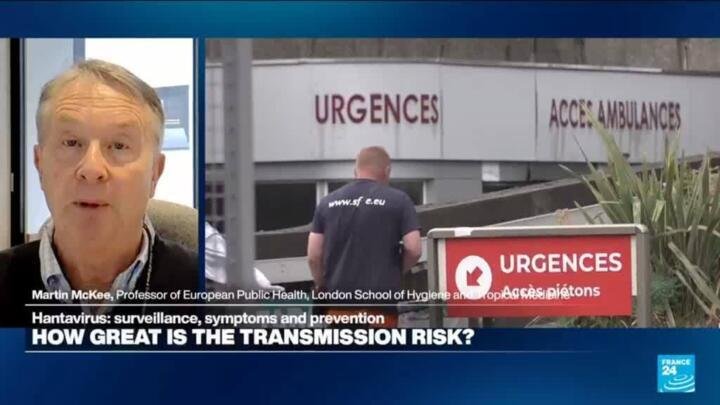
According to the hospital’s statement, the patient has been free of any clinical symptoms for over three consecutive days and has tested negative on two successive nucleic acid tests, fully meeting the national criteria for discharge.
Andes Strain Characteristics Prompt Long-Term Health Monitoring
Medical experts noted that the patient was infected with the Andes Hantavirus strain, which is known for its ability to persist in the human bloodstream for a relatively long period. Due to this risk factor, although the patient is clinically recovered, medical authorities will implement a six-month post-discharge monitoring program.
During this follow-up period, the medical team will closely monitor the patient for any potential long-term complications and will collect regular blood samples for testing to ensure the virus has been completely eliminated.
Second Patient’s Condition Fluctuates, Strict Discharge Criteria Maintained
Meanwhile, the condition of a second confirmed patient being treated in the hospital’s isolation ward has shown new fluctuations. The patient, who had been asymptomatic, recently developed a low-grade fever. The medical expert panel emphasized that the same strict national protocols will be applied to this second case.
These standards require that the patient’s temperature must return to normal and they must remain symptom-free for three days before undergoing two consecutive tests. The samples, including throat swabs and urine, must be taken at least 48 hours apart, and both must be negative before discharge can be considered.
Strict Control Measures for Recovered Patient and Close Contacts
To completely sever potential chains of transmission, health authorities have established extremely strict, phased restrictions on the daily life of the recovered patient. The regulations state that for four months after the onset of symptoms, the individual must strictly avoid unprotected intimate contact. Furthermore, until blood tests are consistently negative for the virus, they are prohibited from participating in contact sports or undergoing non-essential invasive medical procedures.
Additionally, several close contacts who were on the same cruise ship, despite consistently testing negative, are required to complete a full 42-day medical quarantine, either in a designated facility or at home.
