Sleep Debt Cannot Be Repaid: The Biological Fallacy of Weekend Catch-Up Sleep
Recently, a clinical study published by the Spanish Sleep Society (Sociedad Española de Sueño) has seriously challenged the common practice of ‘catching up on sleep’ over the weekend. The research indicates that the ‘sleep debt’ accumulated from chronic late nights cannot be biologically repaid simply by sleeping longer. The human body’s complex circadian rhythm system is not a bank account; excessive sleeping on weekends can severely disrupt and upset the established biological clock, potentially leading to neurological dysfunction and a vicious cycle of feeling more tired despite sleeping more.
A Dire National Sleep Situation: Over Half of Adults Are Sleep-Deprived
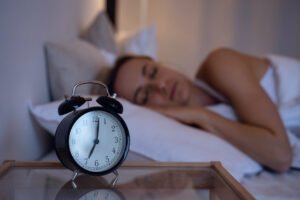
Sleep issues have become a significant public health concern in Spain. According to data released by the Spanish Society of Neurology (Sociedad Española de Neurología), over 54% of Spanish adults currently do not get the recommended amount of daily sleep. Furthermore, poor sleep quality is also widespread, with nearly 48% of the population suffering from it long-term. The data further reveals that the number of people diagnosed with and suffering from severe, chronic sleep disorders nationwide has surpassed 4 million, posing a significant threat to both individual health and societal productivity.
A Regular Schedule is Fundamental: Health Advice from Family Medicine Experts
Experts from the Spanish Society of Family and Community Medicine (Sociedad Española de Medicina Familiar y Comunitaria) emphasize that the cornerstone of maintaining good health is establishing and adhering to a highly regular schedule. They argue that while an occasional late night has a temporary impact, a long-term pattern of irregular sleep, relying on weekend ‘binge-sleeping’ for adjustment, will continuously weaken the immune system and fail to effectively alleviate the chronic fatigue felt at the start of a new work week.
Practical Strategies for Improving Sleep Quality
Medical teams point out that instead of hoping for an ineffective weekend fix, it is better to adopt practical and effective measures in daily life. Experts recommend that individuals engage in moderate physical exercise during the day to promote nighttime sleep, strictly limit the intake of stimulants like caffeine and alcohol before bed, and avoid heavy or hard-to-digest foods late at night. The key is to help the body form a stable and consistent biological clock memory, which is the scientific way to fundamentally increase the proportion of deep sleep and break the vicious cycle of fatigue.
