Nationwide Rent Levels Continue to Rise
As of 2026, tensions in Spain’s rental market show no signs of easing, with housing becoming a critical issue affecting livelihoods and career decisions. According to data released in May by the real estate platform Pisos.com, the national average rent in Spain has reached €14.76 per square meter, a 12.16% increase compared to the same period last year, indicating a continuing long-term upward trend.
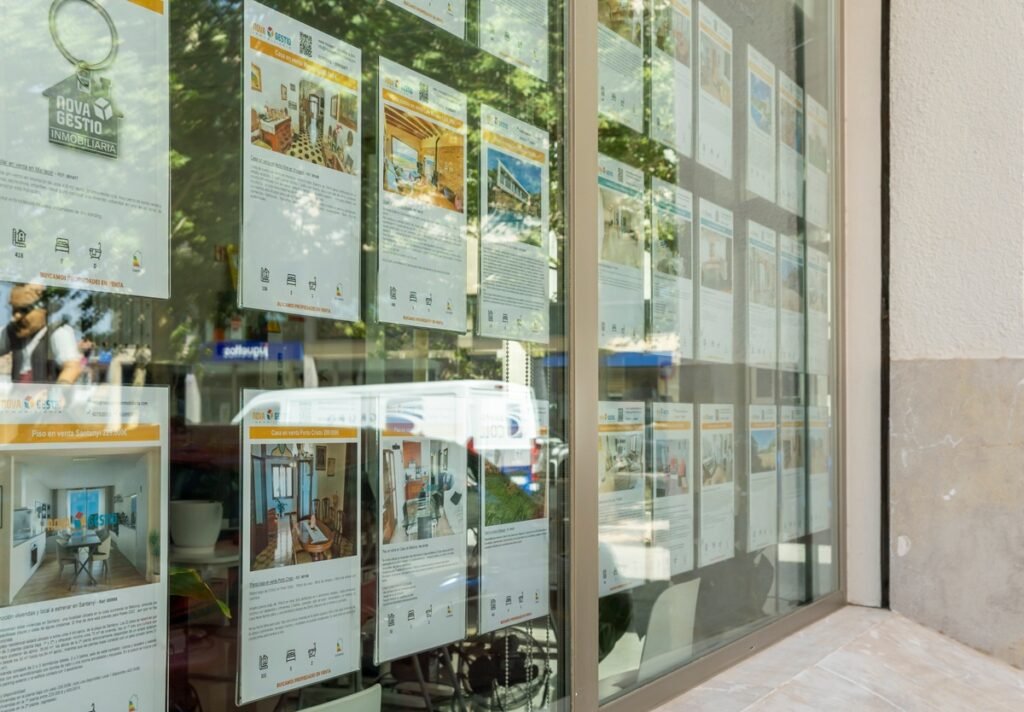
Housing Burden Particularly Heavy in Major Cities
The housing pressure is even more pronounced in major cities and popular tourist areas. In Barcelona, for example, the city has become one of the most expensive rental markets in the country, with average rent prices soaring to €30.33 per square meter. This means a 90-square-meter apartment can cost around €2,729 per month, a figure more than double Spain’s statutory minimum wage. For the average worker and young person, the financial barrier to living independently in these core cities has become prohibitively high.
Income-Cost Imbalance Drives Youth Exodus
The sharp rise in rent stands in stark contrast to stagnant wage growth. This structural imbalance is forcing a large number of young people to reconsider their future. Many are finding it difficult to lead a stable life with savings in the country, leading them to look for opportunities abroad. According to data from Spain’s National Statistics Institute (Instituto Nacional de Estadística, INE), the number of Spanish citizens registered as living abroad surpassed 3.2 million by early 2026, with an annual growth rate of 5.1%.
Switzerland Emerges as a Top Emigration Destination
Among the many emigration destinations, high-wage countries like Switzerland have become highly attractive to Spain’s young workforce due to their generous salaries and stronger purchasing power. A young Spaniard working in Switzerland shared his experience: although monthly rent in Switzerland is between €1,400 and €2,000, higher than in Spain, his monthly income can reach €4,000 to €6,500. In comparison, the lower proportion of housing expenses relative to total income allows for a significant improvement in quality of life and savings capacity. He pointed out that the core issue is not the absolute cost of rent, but the “structural imbalance between income and the cost of living,” which is the fundamental reason driving him and his peers to leave.
