Global Temperatures Continue to Rise, Extreme Weather Becomes the “New Normal”
According to the latest monthly report from the EU’s Copernicus Climate Change Service (C3S), spring 2026 (March to May) has been confirmed as the third-warmest spring on record in Europe. The report also notes that the past month of May was the second-hottest May in global records, signaling a continued trend of exceptionally high global temperatures.
Specifically, the global average surface air temperature for May 2026 reached 15.81°C, which is 0.55°C above the 1990-2020 average and 1.42°C above the pre-industrial baseline (1850–1900). C3S Director Samantha Burgess stated that the continued proximity of atmospheric and ocean temperatures to record highs indicates that the global climate system remains in a highly unstable, high-temperature state. What were once sporadic extreme weather events are rapidly evolving into a “new normal.”
Climate Imbalance Within Europe, Iberian Peninsula Affected by High Temperatures
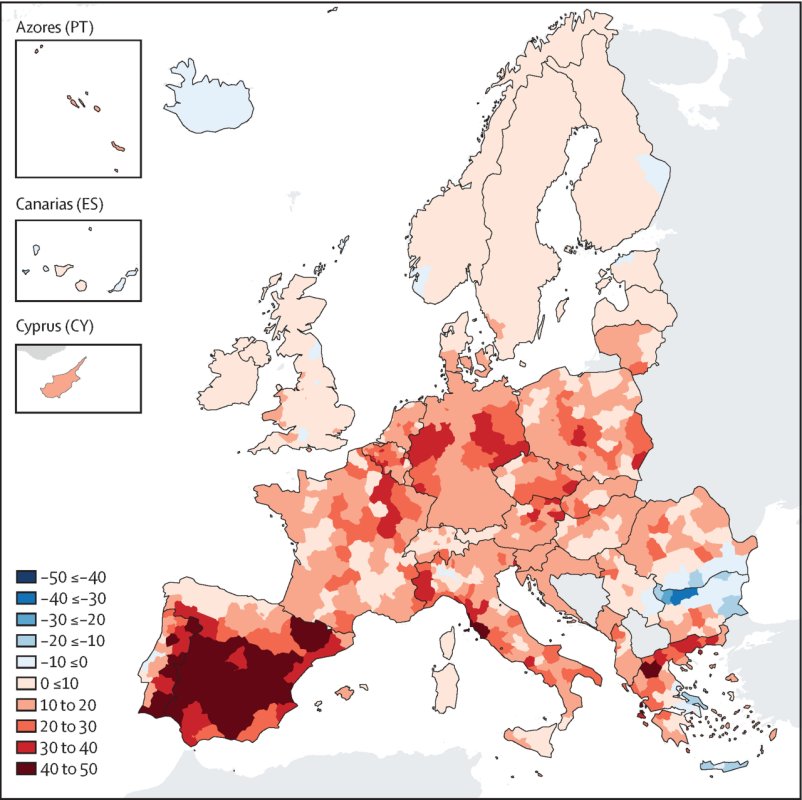
On the European continent, this spring’s climate showed significant regional contrasts. Dominated by a strong high-pressure system, Western and Central Europe, as well as the Iberian Peninsula (including Spain) and southern Italy, experienced severe drought and abnormally high temperatures. In contrast, some other parts of Europe received above-average rainfall, highlighting the extreme imbalance in climate distribution. Despite a brief drop in temperatures in some areas during mid-to-late May, the overall warming trend remained unchanged.
The Health Cost in Spain: Heat-Related Deaths Triple Compared to Previous Years
The consequences of these climate anomalies are directly reflected in public health. Alarming data from Spanish health authorities shows that in May 2026 alone, 101 deaths directly related to high temperatures were recorded nationwide. This figure is three times the average for the same period in previous years, clearly demonstrating the direct threat extreme heat poses to public safety. As summer approaches, this public health pressure is expected to intensify.
Oceans and Polar Regions Also at a Critical Point, Future Risks Likely to Intensify
The global marine and polar systems are also sending out dire warnings. Data shows that the global average sea surface temperature in May reached 20.90°C, second only to the all-time high set in 2024. Meanwhile, the melting of polar ice is accelerating. Arctic sea ice extent was about 4% below average, while Antarctic sea ice extent saw a more drastic reduction of about 9%, with both at historically low levels. Scientists warn that the El Niño phenomenon may strengthen in the coming months, which could further exacerbate extreme heat and drought events worldwide, posing even more severe challenges to socio-economic and ecological systems in Europe and globally.
