The “Nighttime Chores” Trend Driven by High Electricity Prices
In Spain, persistently high electricity prices have led many households to find ways to save money. Power companies divide the day into different billing periods, with the “off-peak hours” (hora valle) from midnight to 8 a.m. being the cheapest. To cut down on their monthly electricity bills, many people choose to run high-consumption appliances like washing machines and extractor hoods during this time. In contrast, the most expensive periods are from 10 a.m. to 2 p.m. and from 6 p.m. to 10 p.m.—precisely the times when doing chores would not disturb others. Economic considerations often take precedence over neighborly relations, leading to a growing problem of nighttime noise.
Washing Machine Noise: A Warning from OCU Data
The main issue with using a washing machine at night is the noise it generates. According to measurements by Spain’s Organization of Consumers and Users (Organización de Consumidores y Usuarios, or OCU), even under ideal conditions, a washing machine produces about 45 decibels (dBA) during the wash cycle. The problem worsens during the spin cycle, with most models reaching around 60 decibels and some even soaring to 72 decibels. In the quiet of the night, this level of noise can easily penetrate walls, severely disrupting neighbors’ sleep and daily routines.
From Neighbor Complaints to Legal Action
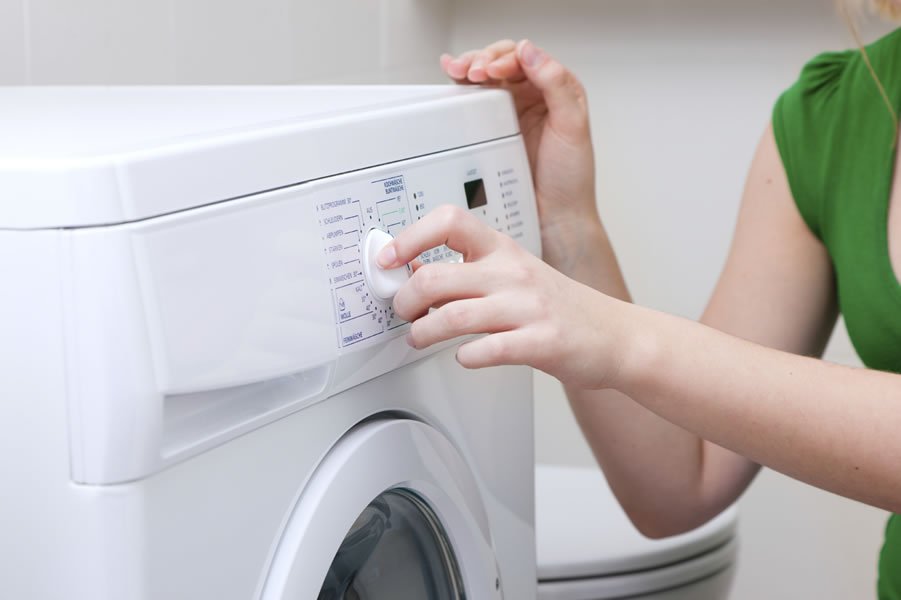
When nighttime noise becomes a nuisance, affected residents have several courses of action. First, they can file a complaint with their homeowners’ association (comunidad de propietarios) and ask the president of the community to mediate and request that the person causing the noise cease their activity. If verbal warnings and community mediation fail, the affected party can escalate the matter by initiating legal proceedings to legally compel the individual to stop the disruptive behavior. Additionally, residents can also choose to call the police or contact municipal authorities for law enforcement to intervene.
Municipal Fines: A Significant Financial Risk
Once the police or relevant municipal authorities confirm the violation, they will impose a penalty based on the specific ordinances of each municipality. The fines for such noise disturbances vary by region but typically range from €300 to €3,000. Therefore, trying to save a little on electricity by using the washing machine late at night could end up being counterproductive, resulting in a hefty fine that far exceeds any potential savings on the utility bill.
