A Dangerous Encounter in a Malaga Garden
Recently, a serious medical incident caused by a venomous spider bite occurred in the El Palo district of Malaga, a city in southern Spain. A 37-year-old local man was bitten by a violin spider while helping a friend with their garden, resulting in extensive tissue necrosis in his arm. He narrowly avoided amputation after undergoing multiple surgeries.
An Unexpected Accident While Gardening: A Sudden Sting
At the time of the incident, the man was gardening at a friend’s house, pruning branches and watering potted plants. He suddenly felt a sharp, stinging sensation in his arm. Initially, he didn’t pay much attention, assuming it was a common insect bite. However, just a few hours later, his arm began to swell abnormally, accompanied by a high fever of 39°C, and his condition rapidly worsened.
A Rapid Decline: High Fever and Tissue Necrosis
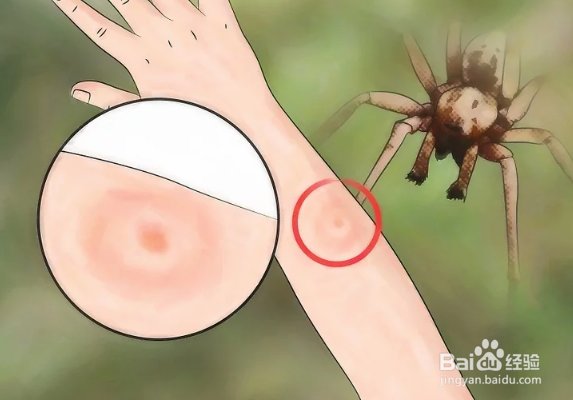
As the pain intensified and a large blister formed at the bite site, the man was rushed to the emergency room of a local health center. After consultation with specialists, doctors diagnosed the injury as a bite from a Mediterranean recluse spider (Loxosceles rufescens), commonly known as the violin spider, based on the wound’s characteristics. This spider’s venom contains potent hydrolytic enzymes that dissolve skin and muscle cells, causing extensive tissue necrosis in the affected area, a condition known as loxoscelism.
A Difficult Treatment: A Race Against Amputation
Faced with the rapid spread of the venom, the medical team immediately performed an emergency incision and drainage surgery. The procedure aimed to control the venom’s spread by extensively removing the necrotic tissue, combined with strong antibiotics to prevent secondary infections and pain medication to manage the severe pain. In the early stages of treatment, the patient’s condition worsened; large areas of his arm’s skin turned black, his high fever persisted, and he faced a serious risk of amputation.
Arm Saved and Expert Warning
Fortunately, after several debridement surgeries and targeted medication, the patient’s wound finally began to heal, successfully avoiding amputation. He has since been discharged from the hospital but remains on medical leave to fully recover. Medical experts are using this incident to warn the public: violin spiders often inhabit dark corners such as garages, storage rooms, and the undersides of flower pots. Although they do not typically attack humans, their habitats overlap with human activity areas. If bitten, apply ice immediately and seek medical attention as soon as possible. Do not delay, as missing the optimal treatment window could lead to permanent tissue damage.
