Core Dispute: Should Classroom Temperatures Be Regulated by Law?
As summer heatwaves hit Spain, the sweltering conditions in many public school classrooms across the Community of Madrid have become a major public concern. On Thursday, June 11, 2024, the issue sparked a heated debate in the Madrid Regional Assembly. The opposition party, Más Madrid, formally submitted a bill to amend the Law on Children and Adolescents, seeking to legally mandate temperature standards in classrooms.
The proposal required that indoor environments in public schools and secondary schools comply with labor regulations, ensuring temperatures do not exceed 27 degrees Celsius in the summer or fall below 17 degrees Celsius in the winter. “We want to guarantee that children don’t have to study in environments over 27°C or under 17°C,” stated María Pastor, the assembly member who presented the bill. However, this initiative, aimed at creating a more comfortable learning environment for students, was ultimately defeated by the opposing votes of the ruling People’s Party (PP).
Parents Rally in Protest: “We’re Being Cooked in the Classrooms”
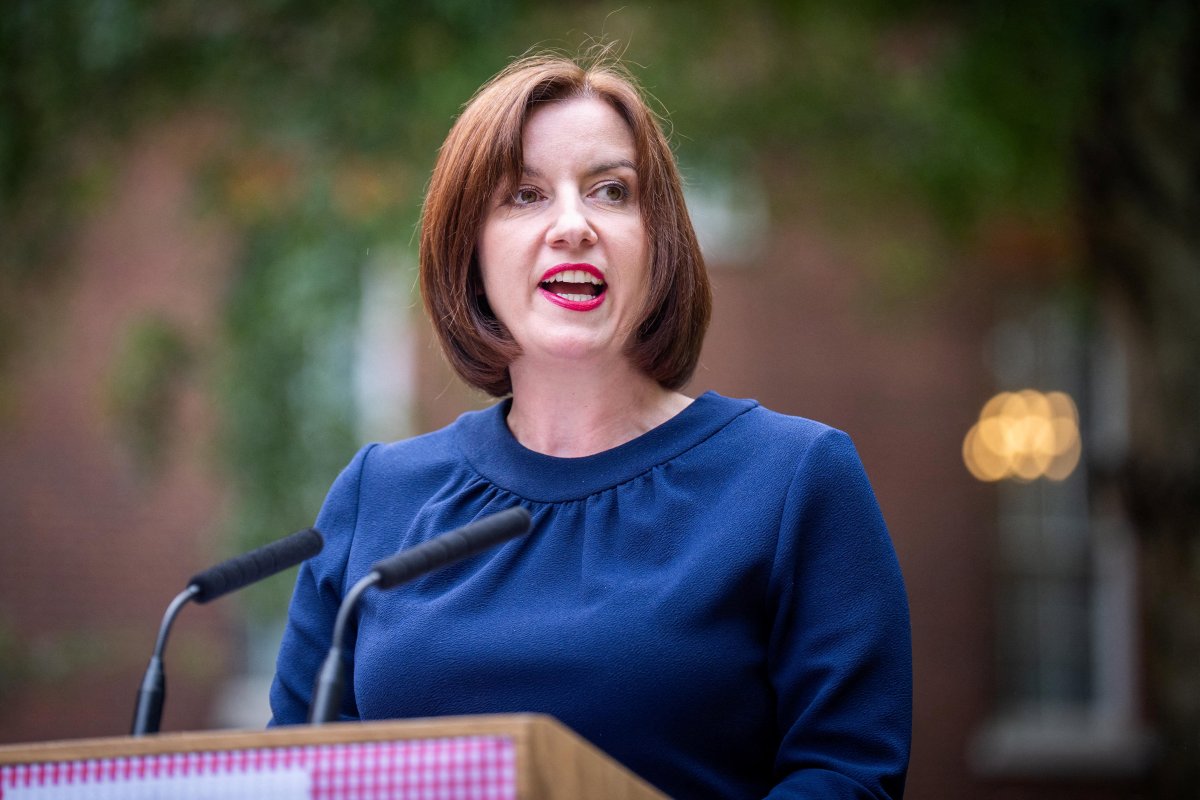
On the day of the parliamentary debate, around 20 parent representatives gathered outside the Madrid Regional Assembly to protest. They held banners reading “Nos cocemos en las aulas” (“We’re being cooked in the classrooms”), demanding that the government take action to install air conditioning systems in schools that lack them. Some parent representatives also sat in on the debate to express their profound concern over the situation.
Parent associations argue that every summer, high temperatures turn classrooms without air conditioning into “ovens,” seriously impacting students’ health and ability to learn. They urged the ruling party to address the problem head-on and deliver practical solutions instead of creating legislative hurdles.
Political Divide: A Clash Between Ruling and Opposition Parties
The vote’s outcome highlights a fundamental disagreement between Madrid’s major political parties on tackling school infrastructure problems. The opposition, led by Más Madrid, believes in establishing a hard-and-fast legal standard to fundamentally protect students’ rights and prevent arbitrary decisions in local government budgeting and execution.
On the other hand, while the ruling People’s Party (PP) acknowledges the heat problem, it opposes enshrining specific temperature figures into law. They likely view it as a move that would impose a massive financial burden and complex implementation challenges, preferring a gradual approach through administrative measures or targeted funding. This political stalemate over classroom temperatures suggests that a significant breakthrough on air conditioning for Madrid’s public schools remains unlikely in the near future.
