Some friends recently asked about joining the military or applying to academies in Spain, which reminded me of this place: the Basic Air Academy, known as Academia Básica del Aire, located in Castile and León. It’s essentially the cradle of the Spanish Air Force’s technical personnel, operating as a separate system from the General Air Academy in Zaragoza, which trains commissioned officers.
Located in the province of León, this academy’s main role is to train the Air Force’s non-commissioned officers (NCOs) and enlisted personnel. To put it simply, if you want to become a professional aircraft maintenance technician, radar operator, or weapons systems specialist—rather than a pilot or commander, roles for which you’d attend places like the Spanish Air Force University—then this is your starting point. For many young Spaniards aspiring to a technical aviation career, like those considering the King’s Spanish Air Force University, this represents a very stable and promising career path.
How to Get into This ‘Vocational School of the Skies’?
To be admitted to the ABA, you must first be a Spanish citizen, typically between 18 and 21 years old. Academically, you need at least a Spanish High School Diploma (Bachillerato) or an equivalent intermediate vocational training qualification (Grado Medio). Of course, physical fitness and psychological assessments are also mandatory parts of the process. The competition is quite fierce, as it’s considered a very stable government job.
The academy primarily offers training in three main specializations. Upon graduation, cadets become technical NCOs. You can see the details in this table:
| Specialization | Main Focus |
|---|
| Mantenimiento de Aeronaves | Aircraft maintenance, mechanics, electronic systems |
| Protección y Apoyo a la Fuerza | Airbase security, logistical support, firefighting |
| Administración | Administration, human resources, finance |
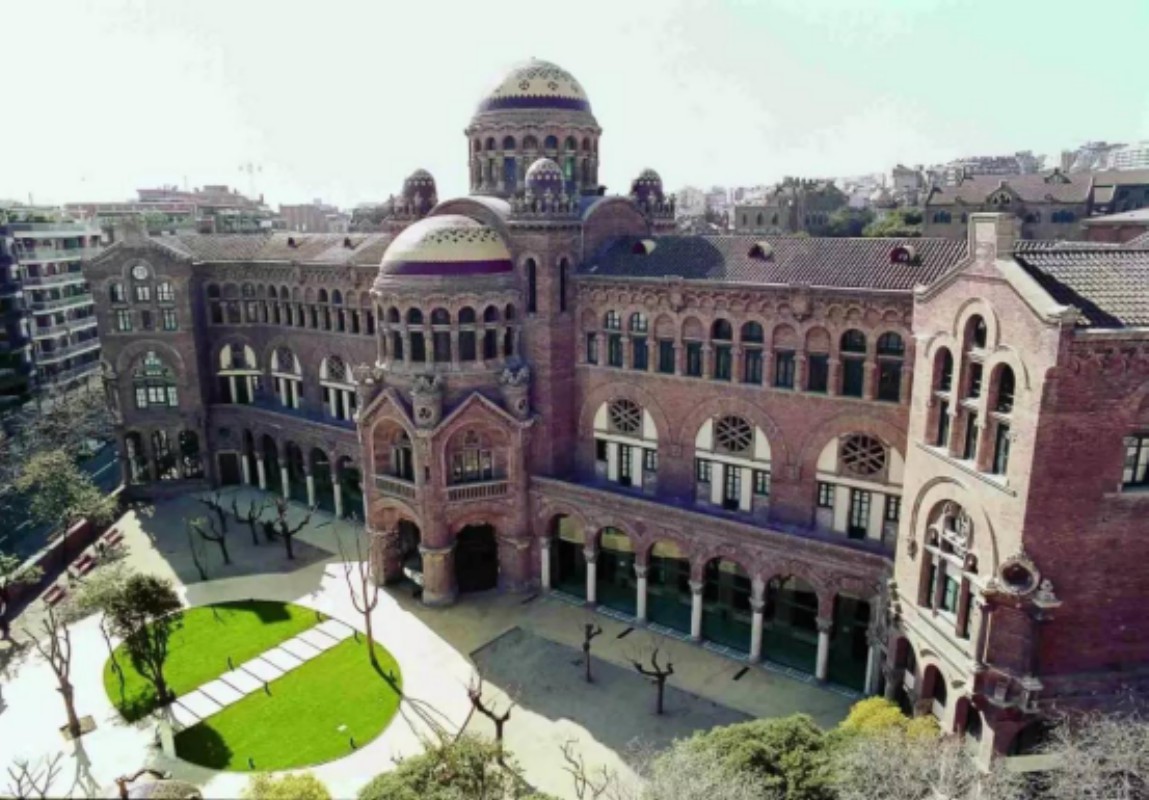
Life at the academy is under typical military discipline—very strict, but also very fulfilling. Every day begins with morning drills and inspections, followed by a tight schedule of academic classes and specialized technical courses. The afternoons are dedicated to extensive physical training and practical military skills. Although it’s tough, this kind of communal living greatly builds one’s willpower and teamwork skills. Just imagine, striving towards the same goal every day with your future comrades-in-arms—it’s a pretty motivating experience.
After completing two to three years of study, cadets are awarded the rank of Sargento (Sergeant). They are then assigned to various airbases across Spain based on their specialization and final grades. For example, those who studied aircraft maintenance might be posted to the Albacete Air Base, a major hub for Eurofighter jets. The career path is clear, and the salary and benefits are considered upper-middle tier in Spanish society, making it a life plan worth considering—of course, that’s assuming you can handle the hardship.
Does anyone here have friends who studied there? Or are you curious about other military academies in Spain? Let’s discuss in the comments!
