Format Changes and Strategic Adjustments
This World Cup marks the first time 48 teams have qualified for the finals, a change that could widen the skill gap between stronger and weaker teams in the group stage. Consequently, for a traditional powerhouse like Spain, there’s a greater margin for error. However, winning the tournament will now require playing one extra match, placing higher demands on the team’s physical reserves and injury management. Therefore, Spain’s strategy for the group stage will be to use the matches as a training ground, gradually bringing key players to peak form while securing the top spot in the group and avoiding unnecessary exertion.
First Opponent: The Underestimated Cape Verde
Spain’s first opponent is Cape Verde. Although not a big name in international football, their strength should not be underestimated. The Cape Verdean squad features numerous dual-nationality players, many of whom have developed within Portuguese leagues and youth systems. As a result, the team’s overall tactics and technical style are heavily influenced by Portuguese football, even earning them the nickname ’Portugal’s B team.' Therefore, this is not a match Spain can expect to win easily.
Injury Update: Wingers Gradually Returning
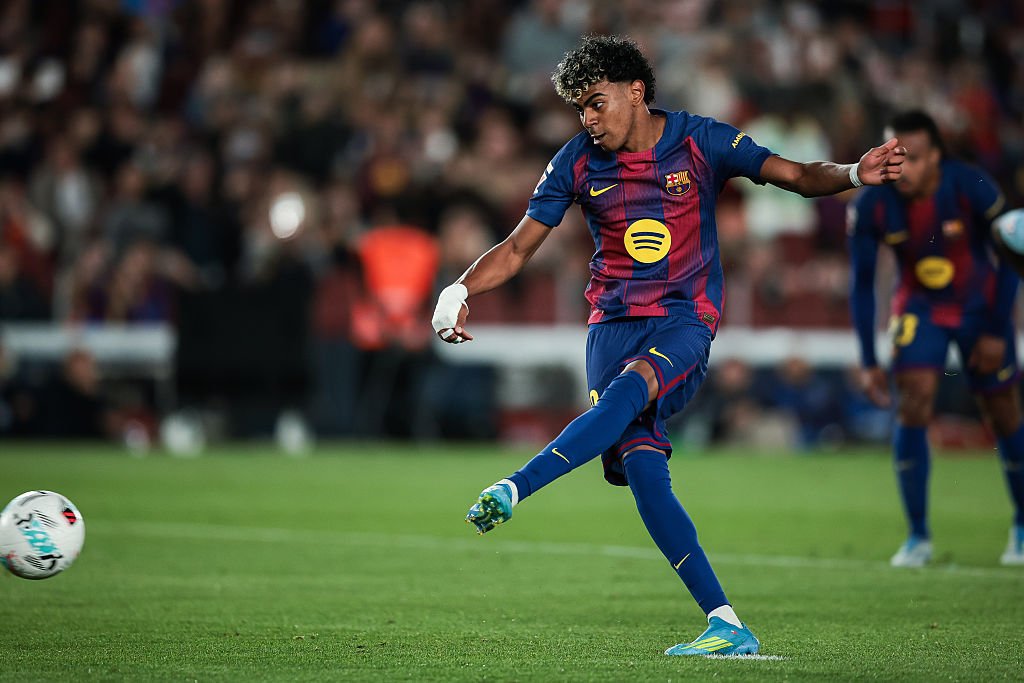
There’s good news on the injury front. Of the three previously injured wingers, Lamine Yamal and Nico Williams have already rejoined full team training. According to the team’s plan, both are expected to come on as substitutes in the opening match against Cape Verde to regain their match fitness. The other injured player, Víctor Muñoz, is also training with the squad but may not receive clearance to play in the first game, as his recovery is still under observation.
Logistical Support: High-Tech System to Combat the Heat
To cope with the potential for hot weather during the tournament, the Royal Spanish Football Federation (RFEF) has made a significant investment in logistical support. The team has reportedly acquired an advanced cooling system, the same type used by F1 teams, to help players quickly lower their body temperature after training and matches. This aims to protect their physical condition to the fullest, ensuring the team can handle the demanding schedule in optimal shape. The team’s goal is clear: to win the opening match with minimal effort and secure as many goals as possible for a better goal difference.
