Spanish Expert Warns: Four Daily Habits Are Quietly Stealing Your Sleep
As Spain enters the summer season, persistent high temperatures and “tropical nights” (when nighttime temperatures don’t drop below 20°C) make it difficult for many to fall asleep. However, in a video posted on social media, sleep expert Juan Nattex points out that certain daily habits may be even more detrimental to sleep quality than the hot weather.
Stimulant Intake: The Double Impact of Caffeine and Alcohol
The expert first highlights the negative effects of stimulating drinks. Caffeine found in coffee and energy drinks, as well as alcohol, affects the central nervous system. These substances not only delay the body’s ability to fall asleep but can also disrupt sleep architecture, leading to frequent awakenings during the night. This significantly reduces overall sleep efficiency, leaving one feeling tired upon waking the next day.
The Blue Light Hazard: The Price of Pre-Bedtime Screen Time
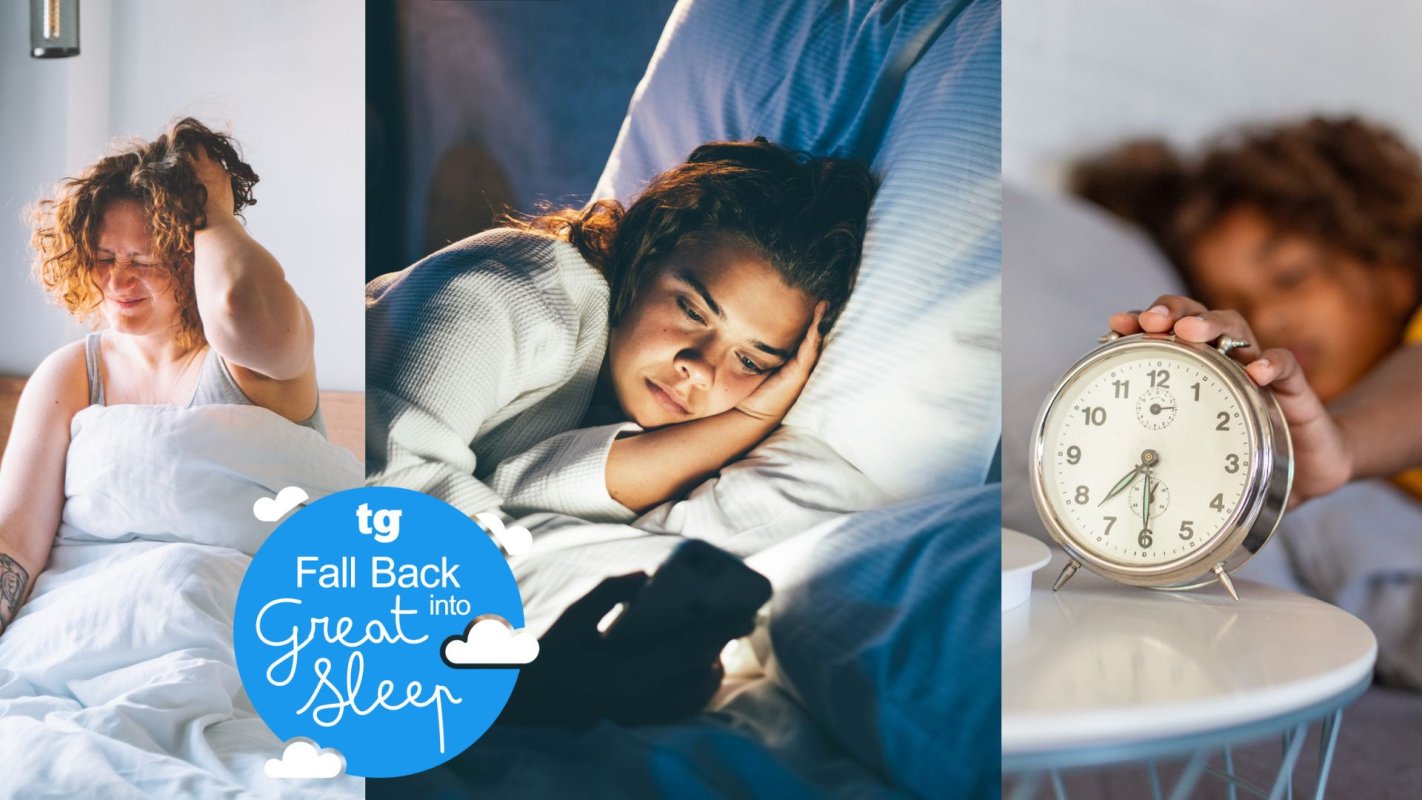
Prolonged use of smartphones, tablets, or watching TV before bed is a common habit in modern life, but it is a major enemy of sleep. The screens of these electronic devices emit blue light, which directly suppresses the brain’s production of melatonin. Melatonin is the key hormone that regulates the body’s biological clock and induces sleep. Its inhibited secretion keeps the brain alert, making it difficult to fall asleep.
Mental Stress: The Invisible Interference of Cortisol Levels
Chronic work or life stress is another “invisible killer” affecting sleep. When the body is under high stress, it secretes more cortisol (often called the “stress hormone”). Elevated cortisol levels make it difficult to relax and reduce the proportion of deep sleep, thereby hindering the body’s natural nighttime repair and recovery processes. Nattex recommends consciously “disconnecting” from work and worries before bed, allowing the brain to enter a relaxed state through methods like meditation or reading.
Mouth Breathing: An Overlooked Sleep Risk
Among the points Nattex mentioned, the habit of breathing through the mouth is one of the most intriguing and easily overlooked. He explains that mouth breathing reduces the body’s efficiency in using oxygen. It can not only trigger or worsen snoring but may also lead to brief periods of oxygen deprivation during sleep, severely impacting sleep quality. Although this point has sparked some discussion and differing opinions online, it serves as a reminder to the public: improving sleep starts with examining even our smallest habits to identify and correct the personal behaviors that are quietly sabotaging our nightly rest.
