V16 Emergency Light: Adoption Status and Usage Rules
Regulations concerning Spain’s new V16 emergency lights have been met with mixed reactions from millions of drivers. Many are still taking a wait-and-see approach, having not yet equipped their vehicles with this legally required emergency device. This hesitation is partly due to a lack of clarity on specific enforcement details. It is important to note that under current traffic laws, failing to use the V16 emergency light as required during a roadside emergency can result in an €80 fine. Nevertheless, the device’s adoption rate remains low.
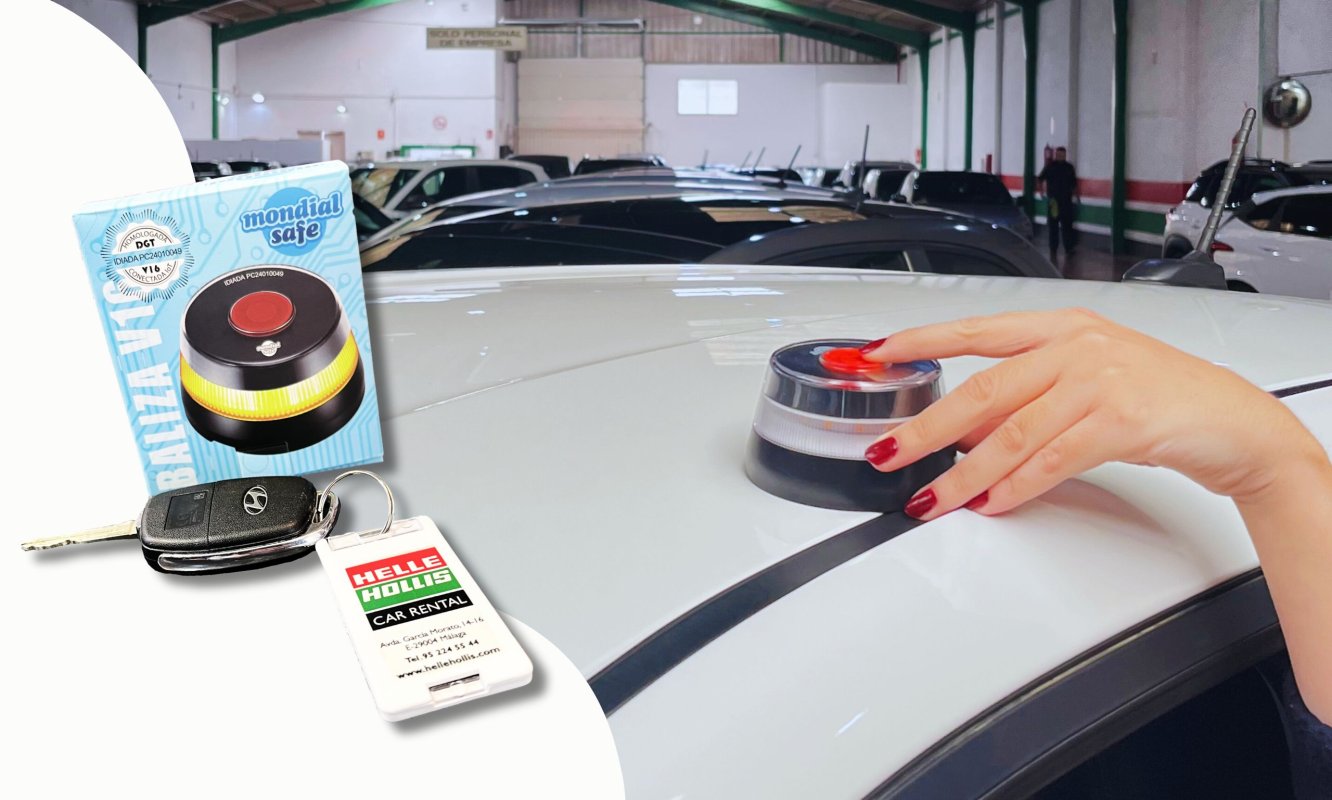
DGT’s Official Response: V16 Not a Check Item in ITV Inspection
The question of whether the annual vehicle technical inspection (ITV) would include a check for the V16 emergency light has recently drawn widespread attention among vehicle owners. In response, Pere Navarro, the head of Spain’s General Directorate of Traffic (DGT), provided a definitive answer at an industry conference. He confirmed that ITV technicians will not currently make the presence of a connected V16 light a mandatory inspection item. This approach is consistent with the past standard for traditional warning triangles, meaning a vehicle will not fail its inspection for lacking this device.
New ITV Trends: Focus Shifts to Advanced Driver-Assistance Systems
Although the V16 emergency light has been given a pass for now, this doesn’t mean ITV inspection standards are stagnant. In line with the latest EU vehicle inspection directive, the focus is gradually shifting towards modern safety features. Technicians at ITV stations are now beginning to conduct more detailed checks on Advanced Driver-Assistance Systems (ADAS) and the safety of battery packs in electric vehicles (EVs), adapting to the rapid evolution of automotive technology.
The Traditional Inspection Process: Core Safety Checks Remain Strict
In the standard ITV inspection process, the criteria for basic safety items remain stringent. The process begins by verifying that the Vehicle Identification Number (VIN) matches the official registration documents, followed by a visual assessment of the bodywork, chassis, and the integrity of the windows.
During the dynamic safety check phase, key elements determining a pass or fail include the lighting and signaling systems and tire condition. Technicians use specialized equipment to perform high-load tests on the vehicle’s braking efficiency, steering system, suspension components, driveshaft, and engine performance. Finally, all vehicles must pass an emissions analysis to ensure pollutants are within legal limits before being certified as roadworthy.
