Unexpected Incident: Swimming Leg Becomes a ‘Jellyfish Minefield’
What should have been a sporting event filled with competitive passion turned into a painful memory due to unexpected intruders. On June 14, 2026, at the Tavernes de la Valldigna beach in Spain’s Valencian Community, the ongoing Valencian Community Sprint Triathlon Championship was invaded by a massive swarm of jellyfish.
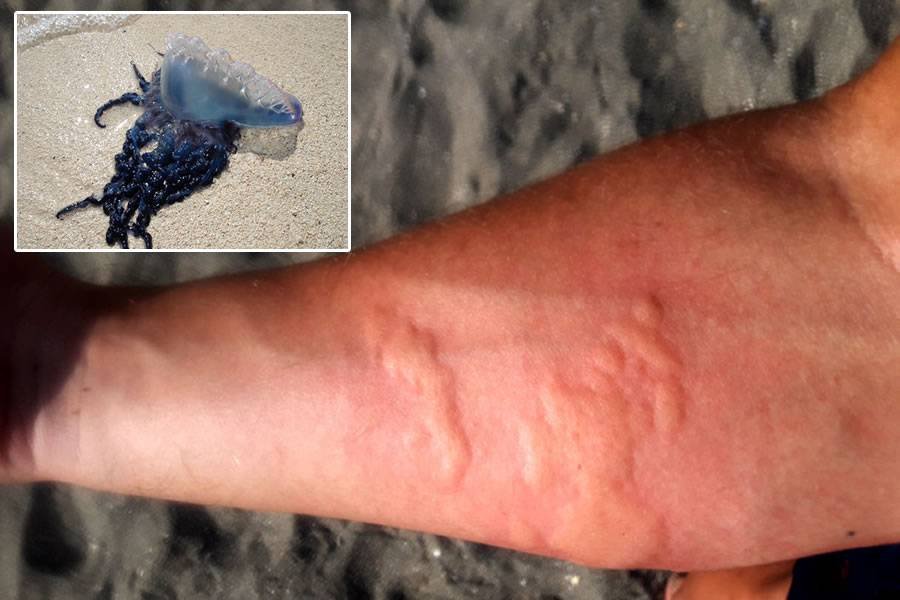
During the first swimming leg, the water was suddenly filled with a dense swarm of jellyfish, completely catching competitors and organizers by surprise. According to athletes, the sea was almost covered in jellyfish, making the swim feel like navigating a ‘minefield.’ Competitors had to push through and tread on them, making stings nearly unavoidable.
Athlete’s Harrowing Account: Multiple Stings and Emergency Hospitalizations
Vicent Salelles, a veteran athlete representing Club Triatló Gandia, described the chaotic scene. He stated that although he wore a regulation wetsuit, his exposed face and feet were severely stung, requiring emergency treatment from the Red Cross on the beach after the race.
Salelles noted that he was one of the lucky ones. Many athletes suffered extensive stings all over their bodies, developing severe rashes and burning pain. They had to be rescued from the water by jet skis and taken directly to the hospital for professional medical care. He speculated that due to the severity of their injuries, many competitors would be unable to work the following day (Monday). However, Salelles, a construction worker himself, returned to the building site on Monday morning, working on the scaffolding despite his face still itching and stinging from the night before.
Organizers Criticized for Lack of Contingency Plan
This mass-stinging incident has put the event’s safety organization under intense public scrutiny and criticism. Salelles believes that when faced with such a clear and extreme maritime hazard, the race committee should have decisively activated a contingency plan.
He suggested that the most reasonable course of action would have been to immediately cancel the swimming portion, downgrading the triathlon to a duathlon (cycling and running only). While this decision might have upset athletes specializing in swimming, he argued that competitor safety should have been the top priority. The incident exposed the organizers’ lack of preparation for sudden natural threats.
Race Results: Jellyfish Incident Overshadows Winners’ Victory
Although the race did conclude with winners—Guillem Gumbau and Marina Camps from Daimús taking the men’s and women’s titles, respectively—their achievements were completely overshadowed by the ‘jellyfish disaster.’ Post-race discussions focused almost entirely on the jellyfish attack, the athletes’ injuries, and the organizers’ responsibility. The event was jokingly dubbed the ‘Jellyfish Triathlon’ by participants, dimming the spotlight on the athletic competition itself.
