900,000 Immigration Applications Trigger Regulatory Alert
Spain’s ongoing mass immigration regularization initiative has received approximately 900,000 applications, a figure that far exceeds government expectations and sets a new record. With the application window closing on June 30, 2026, the program has entered a phase of intensive review, with about 360,000 applications processed so far.
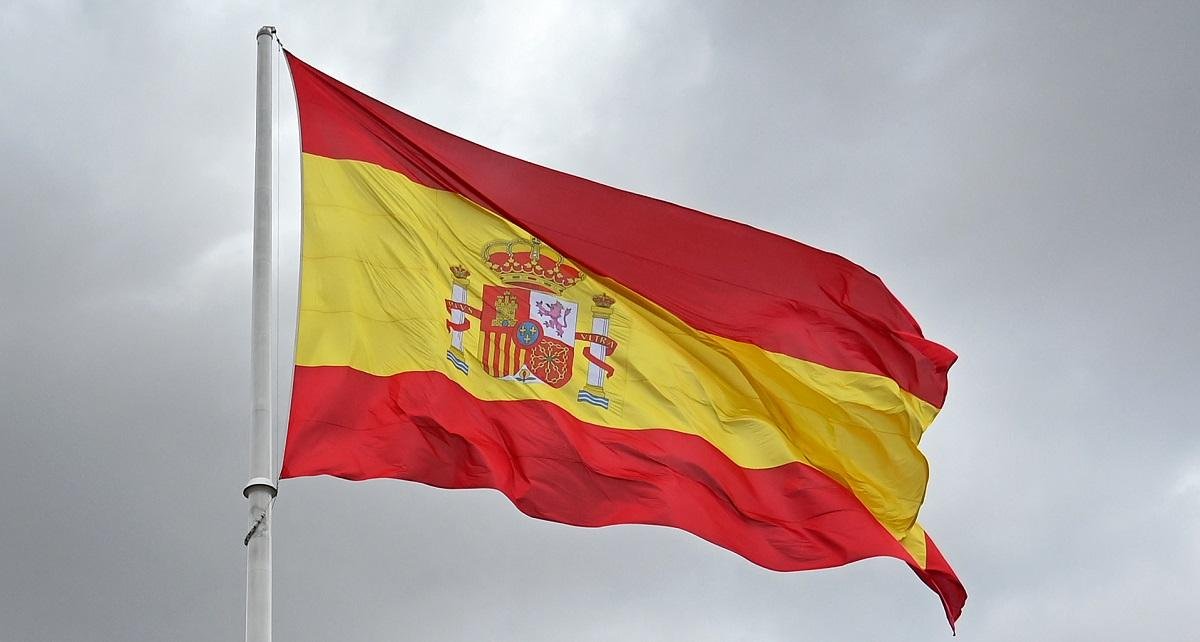
However, the surge in applications has also brought significant regulatory challenges. The Spanish National Police have issued a warning about clear fraud risks, including forged residency certificates, fraudulent registrations to gain eligibility, and illicit intermediaries charging exorbitant fees by exploiting information asymmetry. Some criminal organizations are even offering fake “expedited processing” services to deceive applicants. The police emphasize that the sheer volume of nearly one million applications is straining the verification system, making it harder to confirm identities and the authenticity of documents, and that stricter oversight is necessary to prevent abuse of the system.
The program aims to grant legal status to undocumented immigrants who have been residing in Spain long-term, thereby alleviating labor market shortages and promoting social integration. However, the current situation has also sparked widespread debate about administrative capacity and risks to public order.
Ministry of Transport to Optimize National Passenger Transport Network
To safeguard the travel rights of residents in remote areas and improve public transport efficiency, Spain’s Ministry of Transport recently unveiled a reform plan for the national long-distance passenger transport network. Under the plan, the government will provide an annual public subsidy of 8.6 million euros to maintain the operation of 10 bus routes that are consistently unprofitable due to low passenger numbers.
The core of the reform involves consolidating the existing 77 national concessionary bus routes into 34 transport corridors and adding more direct and semi-direct services between major cities to reduce travel times. The plan promises that all existing stops and services will, in principle, be maintained, while also promoting fleet renewal, service digitalization, and better connections with other modes of transport, such as rail.
The Ministry of Transport projects that after the new plan is implemented, it will serve approximately 31 million passengers annually and could lead to an average fare reduction of about 22%. The bidding process for the relevant concession contracts is expected to begin within the next two years.
World Cup Boosts Bar Spending in Spain
With the kick-off of the 2026 World Cup, Spain’s restaurant and bar industry is experiencing a significant consumption boom. Industry insiders predict that over the entire tournament period, bars could see an average increase in turnover of about 30%, becoming a major short-term economic stimulus.
The “sports-viewing economy” effect is particularly pronounced in Spain. On days when the Spanish national team plays, foot traffic and spending frequency at bars across the country have risen sharply. If the Spanish team advances through the tournament, especially into the later knockout stages or the final, this spending fever is expected to intensify further, simultaneously benefiting the retail and related service sectors. The World Cup has become more than just a major sporting event; it’s a key driver for stimulating in-person consumption and the night-time economy in Spain.
International Briefs
US and Iran Reach Preliminary Peace Agreement
Reports indicate that on Monday, June 15, 2026, the United States and Iran reached a preliminary peace agreement following multi-party mediation. Both sides have agreed to an immediate cessation of all hostilities and plan to hold a formal signing ceremony in Switzerland. Key terms of the agreement include restoring shipping passage through the Strait of Hormuz and establishing a framework for subsequent negotiations on the Iranian nuclear issue and related sanctions, set to last for approximately 60 days. Analysts believe this move will help de-escalate tensions in the Middle East, though the final implementation of the agreement remains uncertain.
UK Proposes Ban on Social Media for Under-16s
The UK government has announced it will introduce new legislation to ban minors under the age of 16 from using most social media platforms. The policy, planned for implementation around spring 2027, aims to strengthen protections for young people online and reduce the negative impacts of internet addiction, cyberbullying, and exposure to harmful content. Major platforms like TikTok, Instagram, and Facebook will be included in the restrictions, while instant messaging apps such as WhatsApp will not be affected.
Bungee Jumping Accident in Brazil Kills Young Woman
A tragic bungee jumping accident occurred in Brazil recently, resulting in the death of a 21-year-old woman who fell from a bridge approximately 40 meters high due to a critical safety failure. The incident took place near the city of Limeira in São Paulo state. Investigations revealed that staff pushed the victim off the bridge without having properly secured the safety rope. Following the accident, local police arrested six individuals involved, three of whom have been ordered into pre-trial detention by the court.
