Spain’s Public Health Commission approved a national vaccination strategy for newly arrived immigrants and refugees this Tuesday, aiming to standardize protocols across all autonomous communities and ensure this group receives necessary immune protection promptly.
Unified Standards to Guarantee Basic Health Rights
The core objective of the strategy is to establish a unified vaccination framework for all immigrants and refugees newly arriving in Spain. Previously, policies and enforcement varied significantly among Spain’s autonomous communities, leaving some unable to get vaccinated in a timely manner. The new plan, approved by the Public Health Commission, aims to eliminate these regional disparities, ensuring that individuals receive the same basic health protection regardless of their location.
Focus on Irregular Arrivals
According to a document released by the Spanish Ministry of Health, the plan gives special attention to people arriving in Spain through irregular channels. These individuals often come from countries with low vaccination coverage or weaker health systems, making them a vulnerable link in the public health safety net. The implementation of this new strategy is intended to proactively close this immunity gap and build a timely line of defense for their health.
First Dose within a ‘Golden Three-Week’ Window
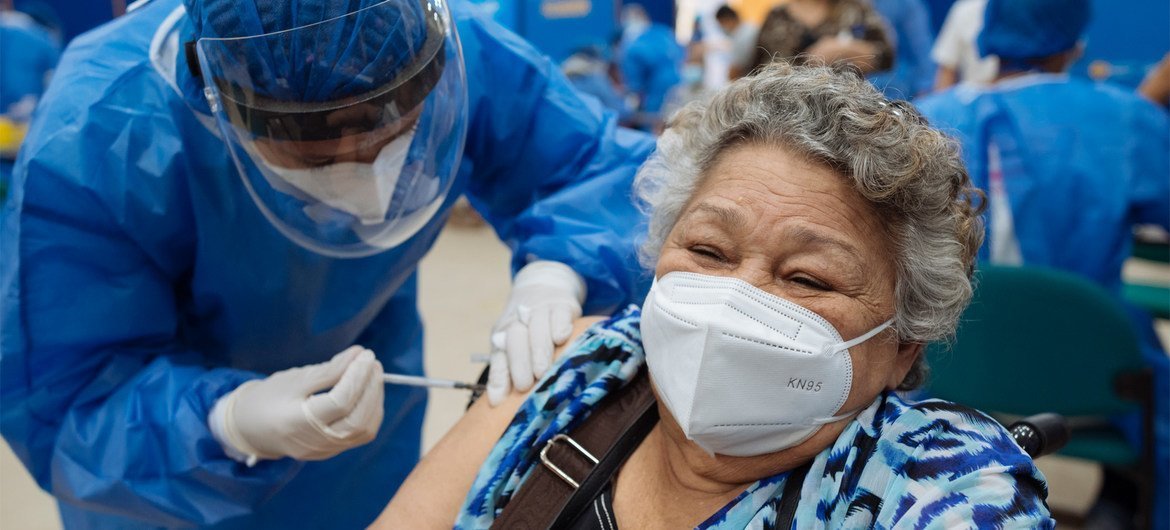
To maximize preventive effects, the Ministry of Health’s document makes a key recommendation: newly arrived immigrants and refugees should receive at least one dose of a key vaccine, preferably within the first three weeks of their arrival in Spain. This guideline provides a clear timeline for primary care facilities, emphasizing the importance of rapid intervention in preventing the spread of disease.
Overcoming Barriers to Improve Vaccination Completion Rates
The Spanish Ministry of Health notes that while the initial health of the immigrant population is generally good, and they use medical resources less frequently than the native-born population, they face multiple challenges in completing their full vaccination schedules. These obstacles include high mobility, complex administrative procedures, and language and cultural differences. The newly launched unified plan is designed to systematically address these issues, aiming to increase the vaccination completion rate for this group by simplifying processes and standardizing protocols.
