There have been a lot of posts on the forum about majors lately, with most discussing popular fields like business and engineering. So, I thought I’d share something about a niche but incredibly cool subject: Archaeology! When many people think of Spanish university archaeology, the image that comes to mind is probably spending a lifetime digging in the dirt with a small brush. But studying archaeology in Spain is a completely different experience—after all, the country itself is one giant historical museum!
Why study archaeology in Spain? The answer is simple! From the Celtic sites in the north, to the Roman cities scattered across the country, and the Moorish palaces of Andalusia, the historical layers here are absolutely incredible. You can learn about something in class and then just hop on a train to see it in person. That feeling is just AWESOME
! Suddenly, all the textbook knowledge comes to life.
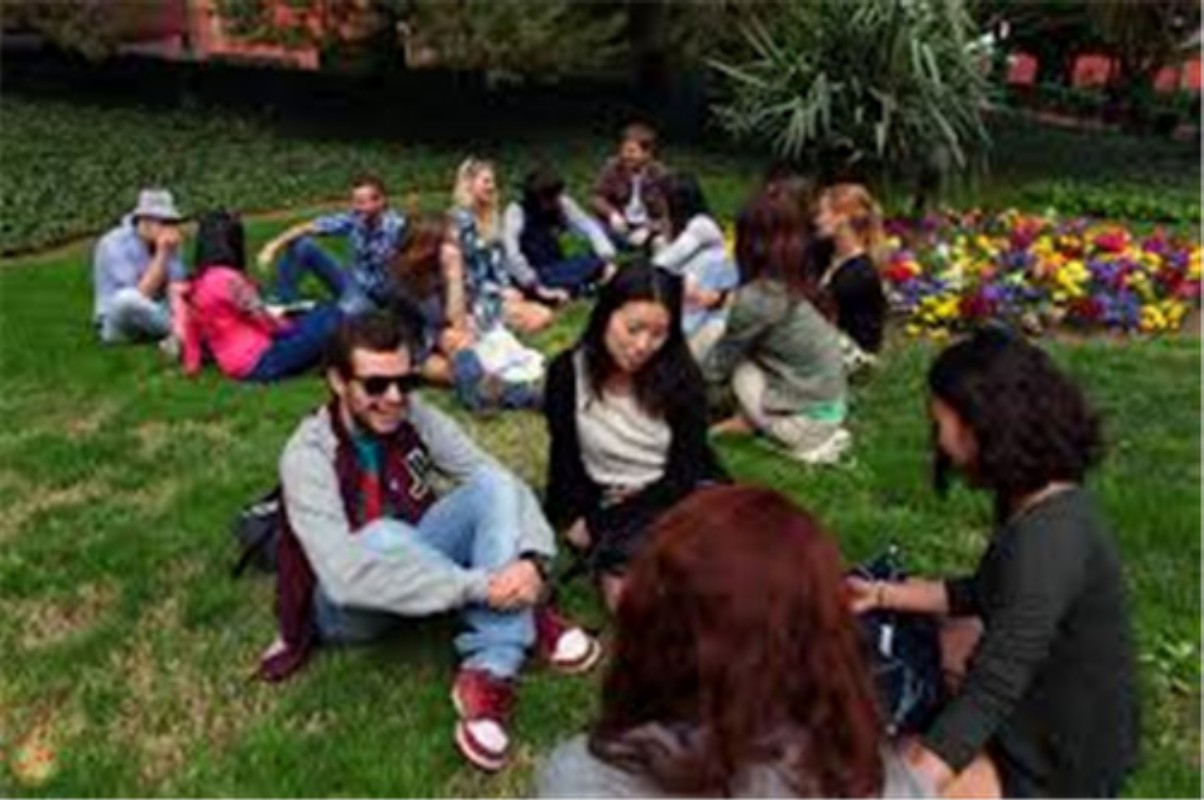
Archaeology is so much more than just digging. The curriculum is incredibly diverse, combining theoretical courses like ‘Prehistory’ and ‘Roman Art’ with highly practical classes. For example, we learn how to map sites, analyze pottery shards, identify human remains, and there are even dedicated archaeological fieldwork sessions. Every summer, many students join their professors for internships at actual excavation sites—that’s when you get the real-deal experience.
How to Choose a University and Specialization?
Spain has many excellent universities with archaeology or history programs, but each has its own focus. When choosing, consider your interests. Are you more fascinated by the Roman period, the Middle Ages, or Iberian prehistory?
| University | Key Strengths/Specializations |
|---|
| Complutense University of Madrid | Strong overall program, renowned for Prehistory and Egyptology |
| University of Barcelona | Mediterranean Archaeology, Iberian Culture, Classical Archaeology |
| University of Granada | A major center for the archaeological study of Al-Andalus culture |
| University of Seville | Late Antiquity and Medieval Archaeology |
Finally, let’s talk about the question on everyone’s mind: job prospects. Graduating with an archaeology degree does not mean you’ll be unemployed! Besides pursuing further academic research, many graduates find work in museums, cultural heritage management agencies, and archaeological consulting firms. With the rise of cultural tourism, there are also growing opportunities in curation, education, and tourism development related to archaeology. The career paths are much wider than you might imagine.
If you have a genuine passion for history and aren’t afraid of the rigors of fieldwork, then studying at Spanish archaeology universities
is an incredibly rewarding choice. Are there any current students or anyone else interested in this major? Feel free to share your thoughts and experiences in the discussion below!
