A Professional Tip from a Spanish Flight Attendant: Why You Should Avoid the Last Row
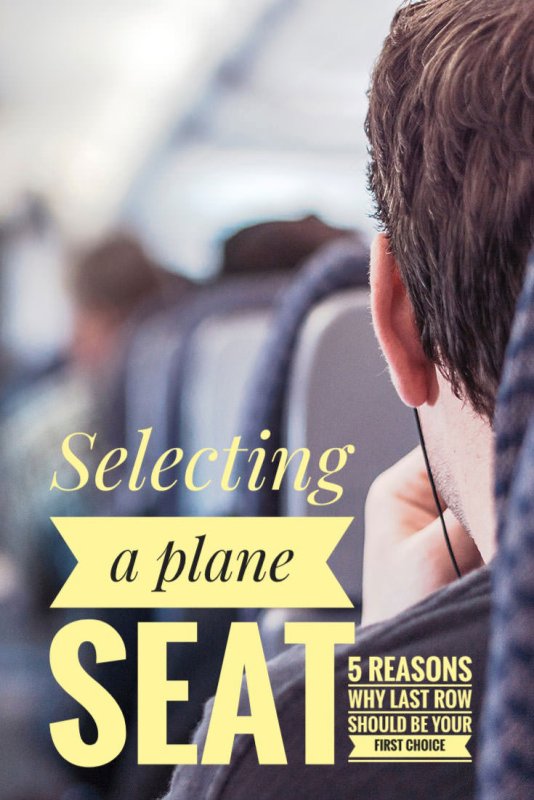
Recently, a veteran flight attendant based in Spain shared a practical tip for air travel on social media: try to avoid choosing seats in the very last row of the plane. She pointed out that while many passengers prioritize a quick exit after landing, they often overlook several key factors that directly impact their comfort throughout the flight—factors where the last row consistently performs the worst.
Limited Space: The Inability to Recline
One of the most significant drawbacks of the last row is its design limitations. Because these seats are right up against a bulkhead or the rear lavatories, their ability to recline is often either completely removed or severely restricted. For passengers on long-haul flights, this means being forced to sit nearly upright for hours, making it difficult to adjust positions for a comfortable rest and significantly reducing overall comfort.
Constant Disturbances: Proximity to Service Areas
The rear of the aircraft is typically where the lavatories and galley (kitchen area) are located. Choosing the last row means you’ll be right next to the constant queue of passengers waiting for the restroom. This brings not only continuous noise and foot traffic but also the sounds of the door opening and closing, flushing toilets, and potential odors. During peak times, these disturbances can become particularly disruptive for anyone hoping for a quiet journey.
Physical Disadvantages: More Noise and Turbulence
Structurally, the tail of the plane is where engine noise and turbulence are felt most intensely. The aircraft’s engines are usually located under the wings towards the rear, and their powerful roar is much more noticeable at the back. Furthermore, when the plane encounters turbulent air, the tail tends to sway more than the front or middle sections, resulting in a bumpier ride for passengers. The combination of these physical factors makes the rear section one of the least quiet and stable places in the cabin.
The Verdict: Is It Worth Paying for Comfort?
Ultimately, the flight attendant recommends that travelers consider all these factors when booking tickets and selecting seats. If the airline offers free seat selection, act quickly to avoid the last row. If a better seat requires an additional fee, she believes that paying a reasonable amount for a quieter, more comfortable flight experience is “usually worth it,” especially on long-haul flights where it can positively impact the overall quality of your trip.
