According to the long-term population projection report released by Spain’s National Statistics Institute (Instituto Nacional de Estadística, INE), the country’s social landscape is set to be fundamentally reshaped over the next half-century if current demographic trends continue. The study’s core findings point to two major trends: a sharp increase in aging and an unprecedented reliance on international immigration.
Immigration: The Sole Engine of Future Population Growth
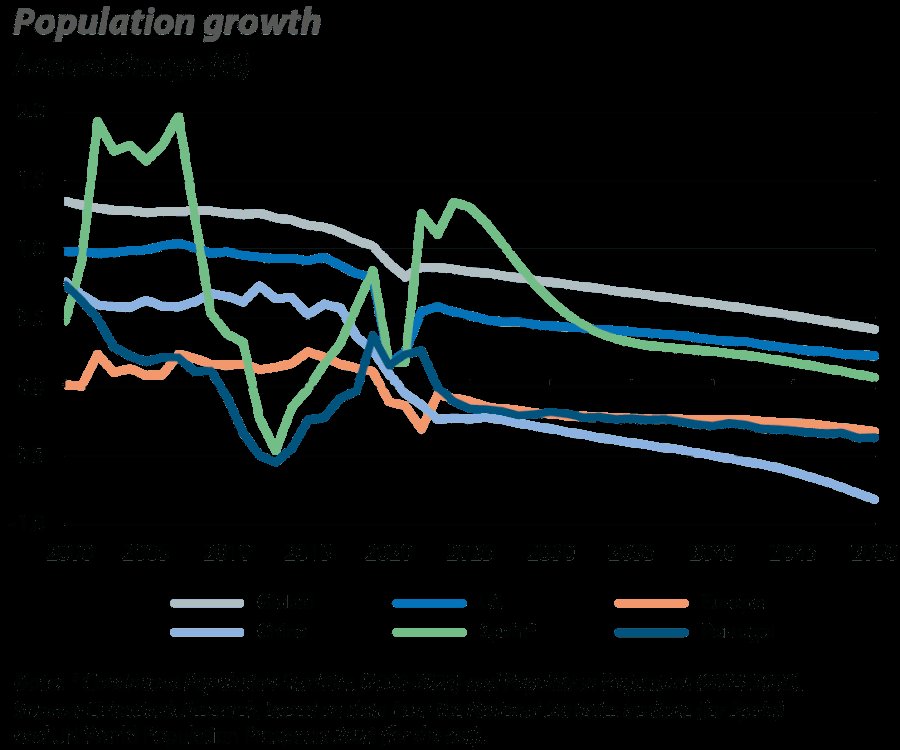
The report forecasts that Spain’s population growth in the coming decades will be driven almost entirely by international immigration. Data indicates the next 15 years will see the most dramatic demographic shifts, with the total population expected to grow to around 53.8 million by 2041. Over 4.25 million of this increase will come from net immigration.
In the longer term, this dependency will become even more pronounced. By 2076, the proportion of the population born abroad is projected to soar from the current approximately 20.2% to 40.4%, while the share of the native-born population will drop from 79.8% to 59.6%. The fundamental reason for this shift is that Spain’s natural population growth (births minus deaths) is set to remain negative for the long term.
Accelerated Aging and a Rising Dependency Ratio
Alongside the influx of immigrants is the irreversible trend of societal aging in Spain. The INE’s projection model shows that the percentage of the population aged 65 and over will rise significantly from the current 21.1% to 30.9% by 2076. This means nearly one-third of Spain’s population will be in the traditional retirement age group.
The intensification of aging will directly lead to a sharp increase in the social dependency ratio. The report projects that by 2076, Spain’s dependency ratio (the ratio of dependent population to the working-age population) will reach 73.2%. This figure implies a continuously growing burden on the working-age population (ages 20 to 64), posing severe long-term pressure on the pension, healthcare, and social service systems.
The Dual Impact of Low Fertility and Increased Life Expectancy
The root causes of Spain’s changing population structure are persistent low fertility rates and rising average life expectancy. Although the report suggests a slight rebound in the birth rate may occur after 2040, it will be far from sufficient to reverse the long-term trend of deaths outnumbering births.
Meanwhile, life expectancy for Spaniards will continue to rise steadily. By 2076, the average life expectancy is projected to reach approximately 87 years for men and nearly 90 years for women. While this reflects social progress, it also objectively intensifies the pressure at the top of the population pyramid, making the aging issue more prominent.
Regional Imbalances to Worsen
Demographic changes will not be distributed evenly across Spain but will instead show clear regional divides. According to projections, some economically vibrant and attractive regions will continue to experience population growth, such as the Valencian Community (Comunidad Valenciana), the Balearic Islands (Islas Baleares), and the Community of Madrid (Comunidad de Madrid).
In contrast, some inland and traditional regions are likely to face continuous population decline, including Extremadura, Asturias, and Castile and León (Castilla y León). This regional imbalance, combined with aging and immigration, will constitute the core challenges for Spain’s future social governance.
