Lack of Regulation: 40% of Vaping Products Are Illegal
According to the latest data from Spanish vaping industry associations, due to a prolonged lack of administrative oversight, a staggering 40% of e-cigarette (vape) products currently on the market in Spain are illegal. These products, sold through unofficial channels, bypass quality controls and sales restrictions, posing a serious threat to public health. This issue is not confined to Spain; supplementary reports indicate that the entire European Union is grappling with the expansion of the illicit nicotine product market, which not only causes significant tax revenue losses but also complicates regulatory efforts.
Industry Calls on the EU for Urgent Action
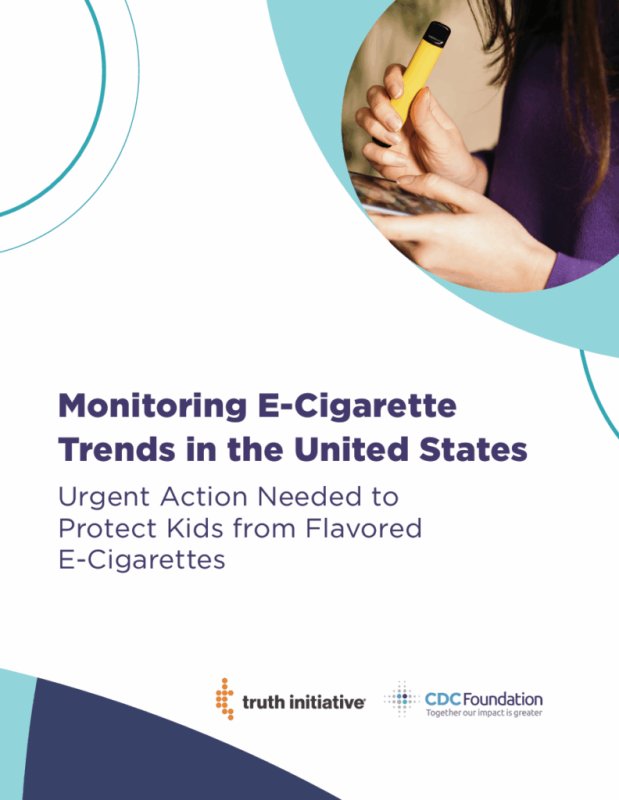
To address the worsening situation, the Union of Vaping Promoters and Entrepreneurs (UPEV, Unión de Promotores y Empresarios del Vapeo) has formally submitted a policy proposal to the European Commission. This move comes as the EU is revising its Tobacco Products Directive (TPD). UPEV President Arturo Ribes stated that the proliferation of disposable vapes, in particular, has transformed a product originally designed as an alternative for adult smokers into a recreational consumer good. He identifies this as the root cause of the current market chaos and the surge in youth consumption. The union is demanding more effective regulations to cut off minors’ access, combat the black market, and ensure the safety of adult consumers.
Youth Addiction Risk: A Threefold Increase Sounds the Alarm
The popularity of e-cigarettes among young people has raised high alerts from global health organizations. The Spanish Association Against Cancer (Asociación Española contra el Cáncer) warns that the younger generation is adopting vapes as an alternative to, or even an entry point for, traditional cigarettes. With their trendy designs, variety of flavors, and the promotion of a ‘harmless’ narrative on social media, e-cigarettes have been rapidly ‘de-stigmatized’ and normalized within youth social circles. However, the stance of the World Health Organization (WHO) and Spain’s National Committee for Smoking Prevention (CNPT) is clear: e-cigarettes are not harmless, and their nicotine is equally addictive. Clinical studies by the WHO confirm that minors who start vaping are three times more likely to become traditional smokers later in life.
Associated Risks: Rising Smoking Rates and New Drug Abuse
The rise of vaping has had a dual negative impact. On one hand, data from relevant cancer observatories shows that between 2020 and 2024, among Spanish youth aged 14 to 24, the proportions of daily and occasional smokers increased significantly by 10% and 11%, respectively. This indicates that the proliferation of vapes has not effectively reduced overall smoking rates. On the other hand, the European Monitoring Centre for Drugs and Drug Addiction (EMCDDA) has issued a warning about the growing trend in Europe of using vaping devices to inhale new psychoactive substances, particularly synthetic cannabinoids. This suggests that vape abuse could become a ‘gateway’ to broader drug abuse issues, posing a long-term threat to the physical and mental health of young people.
