As summer approaches, the dream of installing a portable pool on a balcony, terrace, or rooftop to cool off is a popular one for many residents in Spain. However, architectural experts issue a stark warning: installing such facilities without a professional assessment is strictly prohibited and could lead to catastrophic consequences.
Balcony Load Limits: The 20cm ‘Red Line’
According to Spanish building codes, the maximum additional load for both private apartment balconies and communal terraces is typically set at 200 kilograms per square meter (200 kg/m²).
What does this figure mean? Architects explain that once the water in a pool reaches a depth of 20 centimeters, its weight per square meter already hits this load limit. When you add the weight of the pool itself (some models with metal or wooden frames are quite heavy) and the weight of the users, the balcony will be severely overloaded.
Dynamic Loads: The Overlooked ‘Fatal Blow’
Static weight isn’t the only risk. More dangerous are the ‘dynamic loads’ created when people move around in the water. When users splash, jump, or move in the pool, the sloshing water creates a powerful dynamic impact on the floor slab, with instantaneous pressure far exceeding the static weight.
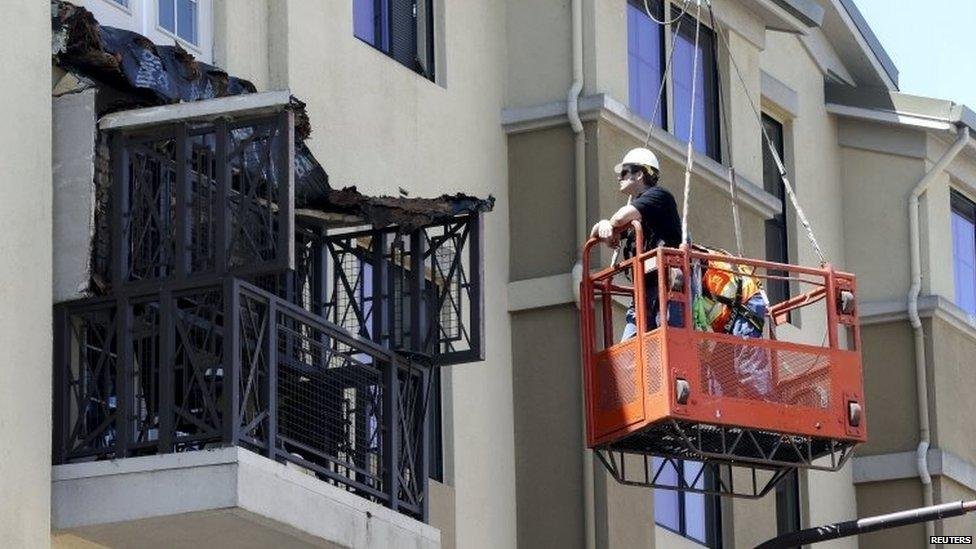
Under this impact, the balcony structure can be instantly overwhelmed, initially showing signs like cracks in wall and floor tiles, and in the worst-case scenario, leading to the sudden failure and collapse of the entire balcony.
Ground-Floor Patios Also Require Caution: Stay Away from Load-Bearing Walls
Even on the ground-floor patio of a detached or semi-detached house, installing a portable pool is not without risk. Experts point out that if the pool is placed directly against a load-bearing wall of the house, the immense weight and pressure of the water can cause the foundation to deform under uneven stress. This can lead to displacement and cracking of the load-bearing wall, damaging the main structure of the house and even posing a collapse risk.
The correct procedure is to install the portable pool in the center of the garden or yard, ensuring it is a safe distance from any building walls.
Market Issues: Loopholes in Product Label Safety Information
An aggravating factor is that the vast majority of inflatable or portable pool manufacturers on the market do not mention any restrictions related to building structural load capacity in their product descriptions or safety labels. Their labels often only indicate the pool’s ‘water capacity in liters,’ which can easily mislead consumers. Unaware, they may fill the pool with a volume of water far exceeding safety standards, thus creating a serious hidden danger.
