Report Analysis: Why Spain Ranks First
A research report from the digital leisure platform JB.com ranked 30 European countries based on a comprehensive assessment of four metrics: protest intensity (40% weight), media exposure (30%), tourist tax rates (15%), and the tourist-to-resident ratio (15%). Spain scored highest in all dimensions, ultimately placing it at the top of the list.
The data shows Spain has a high tourist-to-resident ratio of 2:1 and a tourist tax rate of 8%. Recent media reports on the topic have surpassed one million, and its protest intensity received a perfect score of 5 out of 5. Despite social pressure, the country’s tourism industry continues to expand, with a 3.2% growth in tourist arrivals.
A Wave of Protests: From Barcelona to the Nation
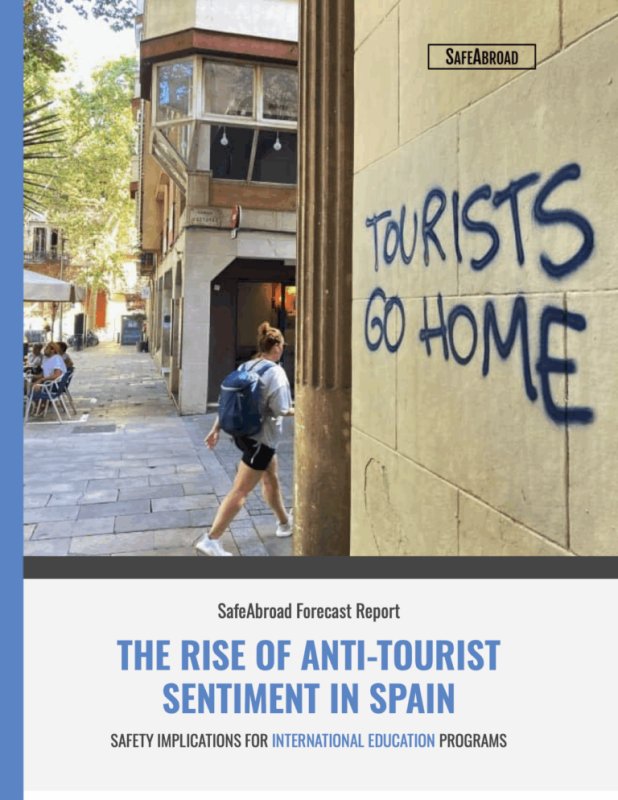
Social conflicts sparked by “overtourism” have ignited protests in over 40 Spanish cities. In Barcelona, a symbolic hotspot, recent years have seen demonstrations with hundreds of participants. Protesters held banners reading “Tourism is killing Barcelona” and, in some extreme cases, sprayed tourists with water guns.
This wave is not limited to Barcelona, having spread to other popular destinations like the Balearic Islands, the Canary Islands, Málaga, Valencia, San Sebastián, and Granada. Official data shows that from January to April this year, Spain received 26.6 million foreign tourists, a 3.4% increase year-on-year. The number of international flight passengers in June is projected to grow by 7.1%. This continuous influx of tourists further exacerbates local residents’ anxiety over the housing crisis and cost of living.
European Parallels: Similar Struggles in Italy and France
In the ranking, Italy and France placed second and third, respectively, also facing severe “overtourism” issues.
Italy had the most media mentions on the topic in Europe, with protest intensity also remaining high. In Venice, Rome, and Florence, residents have protested against housing being taken over by short-term rentals by removing lockboxes for vacation properties. To manage visitor flows, Venice has reinstated an entry fee for day-trippers on summer weekends.
In France, cities like Marseille, Nice, and Paris have also seen anti-tourism gatherings, with environmental movements against large cruise ships docking in ports gaining particular momentum.
The Balancing Act: The Tug-of-War Between Economic Growth and Resident Life
The report also highlights that some European countries present a stark contrast. For instance, Cyprus and Albania were rated as the most tourist-friendly countries, with no recorded anti-tourism protests and relatively lenient regulations for visitors.
This phenomenon underscores the deep-seated conflict behind the tourism industry: on one hand, the significant economic benefits it brings, and on the other, the erosion of local residents’ quality of life, urban resources, and cultural identity. Finding a sustainable balance between attracting tourists and safeguarding the well-being of local communities has become a core issue that Spain, and indeed all popular European tourist destinations, urgently need to address.
