The “3-30-300” Rule: A New Benchmark for Urban Health
Recently, the “3-30-300” green space rule, proposed by urban ecologists, has gained significant recognition in international urban planning and public health circles. The rule sets three clear, quantitative benchmarks for a healthy urban living environment:
- 3 Trees from Your Window: Every household should be able to see at least three trees from their window.
- 30% Neighborhood Green Cover: The resident’s community or neighborhood should have a green space coverage of at least 30%.
- 300 Meters to a Park: The nearest park or public green space should be no more than 300 meters from home.
This standard aims to seamlessly integrate natural elements into the urban fabric, creating an accessible and visible green network for all residents.
Scientific Data Reveals the Deep Link Between Greenery and Health
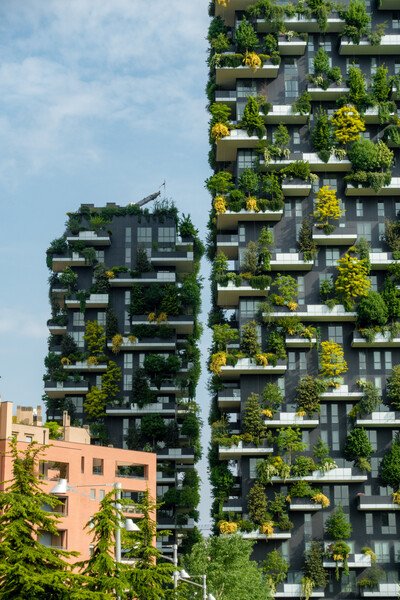
The “3-30-300” rule is not just about aesthetics; it is backed by solid epidemiological research. A large-scale tracking study involving over 180,000 people found a strong correlation between meeting these three criteria and residents’ health. The data revealed a particularly significant drop in the use of antidepressant medication in communities that fully met the standard.
In Barcelona, Spain, for instance, in-depth studies confirmed that psychiatric admission rates were 9% to 10% lower in areas that met this greening standard. This data provides powerful evidence that optimizing urban green spaces can effectively improve the overall mental well-being of the population and reduce the burden on public health systems.
The Medical Healing Mechanisms of Green Environments
From a medical perspective, green environments positively impact the human body through various pathways. Firstly, visual contact, such as observing trees for just ten minutes, can help lower blood pressure and alleviate physiological stress. Secondly, a 30% green cover in a neighborhood effectively regulates the local microclimate, providing benefits like cooling, noise absorption, and air pollution reduction. Furthermore, having a park within a five-minute walk strongly encourages outdoor activities. Increased time outdoors means more exposure to natural light, which helps regulate the body’s circadian rhythms and melatonin secretion, thereby improving sleep quality, reducing obesity risks, and enhancing overall physical function.
Spain’s Urban Greening: Current Status and Future Challenges
Despite the clear health benefits of the “3-30-300” rule, achieving this goal across Spain remains a significant challenge. Statistics show that even in Barcelona, a city renowned for its urban planning, only about 4.7% of residents currently live in an environment that fully meets the standard. Across Spain as a whole, the proportion of the population meeting all three core indicators is just 24%.
Urban ecologists are therefore calling for the “3-30-300” rule to be adopted as a mandatory “ecological baseline” for all future urban complex developments and old neighborhood renovation projects. Through scientific planning and increased investment in greening, more of the city’s “asphalt deserts” can be transformed into vibrant green spaces, allowing the natural environment to truly fulfill its valuable role in healing the mind and body and improving public health.
