Murcia Outbreak Escalates as Confirmed Cases Rise
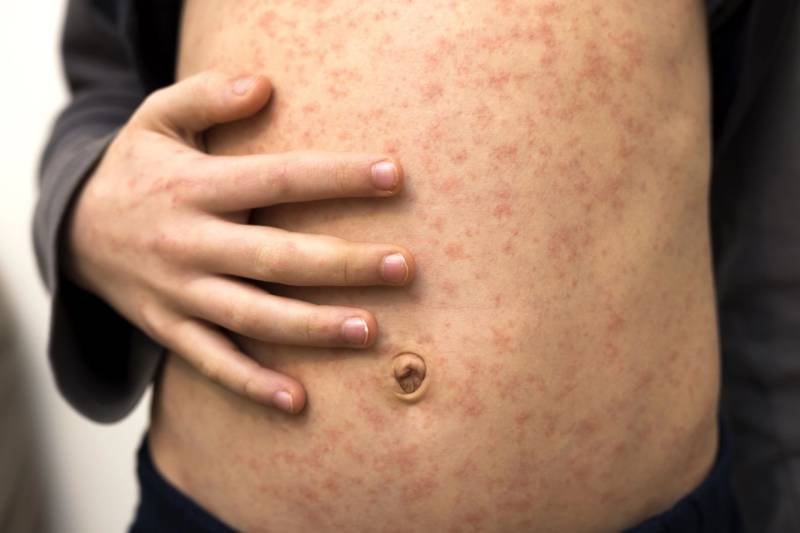
Recently, a measles (sarampión) outbreak has been spreading across several regions in Spain, with the southeastern Region of Murcia being the most affected. As of June 20, 2026, the region has confirmed a total of 25 measles cases. Epidemiological investigations by the health department trace the initial outbreak to a baptism ceremony held in the municipality of Alcantarilla in May. The vast majority of those infected are concentrated in this city and its surrounding areas, or have had close contact with local residents.
“Patient Zero” Still Unidentified
Despite a month and a half passing since the first cases were confirmed, the Murcian health authorities have yet to identify “patient zero”—the original source of the community transmission. This poses a significant challenge to completely breaking the chain of infection. In addition to Murcia, related cases have also been reported in Valencia, Tenerife, and La Palma, indicating a risk of the outbreak spreading nationwide.
Emergency Response Significantly Reduces Diagnosis Time
To effectively control the outbreak, Spain’s National Epidemiological Surveillance Network has activated its emergency protocol. By optimizing procedures and resource allocation, the time from a patient showing symptoms to receiving a laboratory-confirmed diagnosis has been drastically reduced from an initial two weeks to the current five days. This increased efficiency has bought valuable time for health authorities to quickly identify and manage close contacts and implement timely interventions.
Urgent Vaccinations and Public Health Appeal
The Murcia Regional Ministry of Health has taken decisive action, urgently administering the measles, mumps, and rubella (MMR) vaccine (Triple vírica) to over 1,000 close contacts and at-risk individuals to rapidly build an immunity barrier. Health authorities are also urging the public, emphasizing that vaccination is the most effective way to prevent measles. The official recommendation is that everyone should have received at least one dose of the measles vaccine in their lifetime, unless they can confirm they have lasting immunity from a past infection. All residents unsure of their vaccination status should immediately contact their local health center (Centro de salud) for consultation or to request vaccination.
