A Severe Supply-Demand Gap
A recent EU report suggests Spain’s housing shortage could last for a decade, a view echoed by national institutions. The Bank of Spain estimates a current deficit of 750,000 homes. In stark contrast, data from Spain’s Ministry of Housing reveals that 452,600 new homes built during the property bubble era (1998-2008) remain unsold, creating a paradoxical market situation.
The Bubble’s Legacy: The Geographic Dilemma of Unsold Homes
These more than 450,000 unsold properties are a remnant of the last real estate bubble’s collapse. At the peak of the crisis in 2009, the number of unsold new homes reached 700,000, and less than half have been absorbed over a decade later. Their difficulty in selling stems primarily from a geographical mismatch. Many are located in newly developed areas that are now sparsely populated with poor amenities, or concentrated near tourist spots unsuitable for long-term primary residences, failing to meet the core demand for conventional housing.
Slowing Construction Meets Expanding Demand
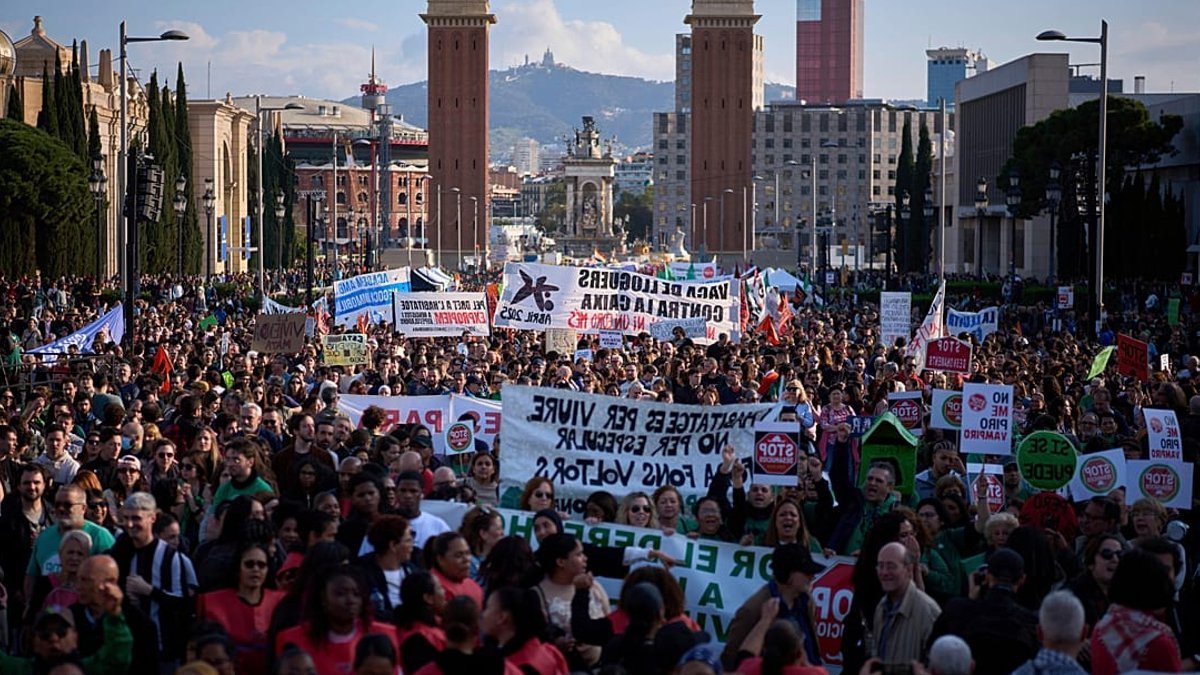
Another core reason for the shortage is that new home construction is failing to keep pace with rising demand. Data from Spain’s Ministry of Housing predicts only 94,700 new homes will be completed in 2025, down from 102,300 in 2024. This figure stands in sharp contrast to the demand fueled by sustained economic growth. Since the economic recovery began in 2014, job growth has enabled more young people to form their own households, and combined with immigration, the rate of household formation has outpaced housing supply. Additionally, the strong post-pandemic tourism recovery has diverted a significant number of properties to short-term holiday rentals, further squeezing the long-term residential market.
Housing Policy Across the Political Spectrum
Fluctuations in housing supply are also linked to Spain’s political cycles. Data shows that during the administration of the center-right People’s Party (Partido Popular) from 2014 to 2018, an average of 150,000 new homes were built annually. Under the current center-left Socialist Party (PSOE) government, this figure has hovered below 100,000. Analysts suggest this reflects two different governing philosophies. The PSOE government maintains a cautious approach to large-scale real estate development, aiming to avoid repeating past mistakes and prevent corporate speculation from fueling another asset bubble. However, this prudent policy has objectively constrained market supply, making it difficult to meet the essential housing demand generated by a decade of steady economic growth.
