The Timing Belt: A ‘Time Bomb’ in Your Engine
Juan José Ebenezer, a renowned Spanish auto mechanic and popular science blogger, recently issued a reminder to all car owners about the critical importance of timing belt maintenance and replacement. He points out that the timing belt is a key component of the engine’s valvetrain system, responsible for ensuring the engine’s valves open and close at the correct times. If this component breaks or skips a tooth, it can cause the valves to collide with the pistons, resulting in severe, irreversible engine damage and extremely high repair costs.
Expert Advice: Adopt a More Conservative Replacement Schedule
Although many car manufacturers suggest longer replacement intervals for timing belts in their owner’s manuals, with some even advertising their timing chain systems as ‘maintenance-free for life,’ Juan José Ebenezer offers more cautious advice based on his extensive repair experience. He notes that, based on the observations of frontline mechanics, a vehicle’s actual operating conditions and driving habits significantly impact component longevity. Therefore, he recommends that owners not rely solely on the official maximum figures and instead opt for a preventive replacement of traditional timing belts around the 100,000-kilometer mark or after five years of use, whichever comes first.
Special Warning: The Aging Risk of Wet Belts
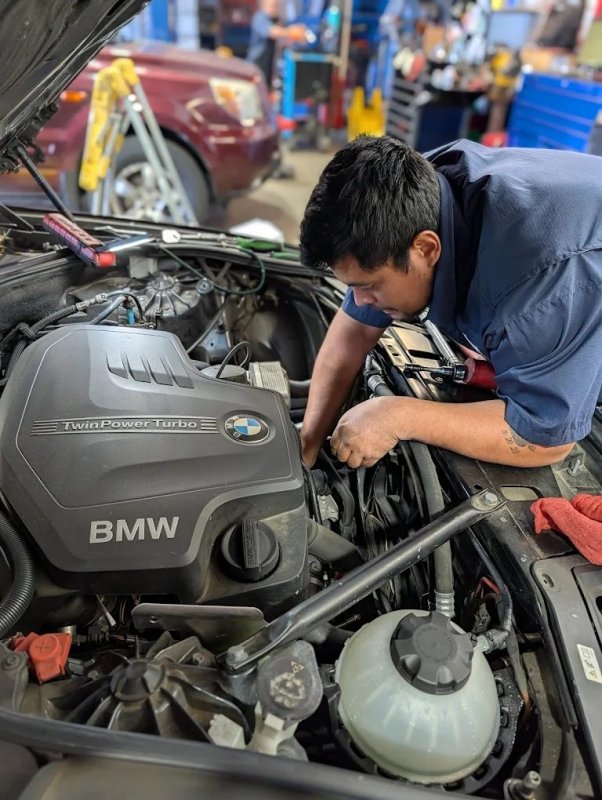
Ebenezer issues a special warning regarding wet timing belts, which have become increasingly common in some modern engines. These belts are designed to operate while submerged in engine oil, making their material performance extremely sensitive to the quality and cleanliness of the oil. If an owner fails to change the oil frequently as required, the degraded oil will accelerate the belt’s aging process, making it brittle. For engines with this design, the expert recommends significantly shortening the replacement interval, typically scheduling an inspection and replacement between 50,000 and 60,000 kilometers as a precaution.
Additional Tip: Understanding Correct Tire Pressure
While discussing vehicle maintenance, Ebenezer also took the opportunity to correct a common misconception about tire pressure. He emphasizes that both over-inflation and under-inflation pose a threat to driving safety and tire longevity, leading to irregular wear and shortening their lifespan. Owners should check their tire pressure regularly and adhere to the standard values provided by the vehicle manufacturer. These specifications can usually be found on a sticker inside the driver’s side doorjamb, on the inside of the fuel filler door, or in the vehicle’s owner’s manual. In an emergency situation where the precise data is unavailable, the pressure can be temporarily adjusted to around 2.0 bar as a reference.
