Legal Protections: The Workers’ Statute and Supreme Court Precedent
The core legal document protecting workers’ rights when they fall ill during vacation in Spain is the Workers’ Statute (Estatuto de los Trabajadores), with Article 38 providing the fundamental basis. Previously, there was ambiguity about whether a vacation could be postponed if the illness began after the leave had started. However, this grey area was definitively clarified by a Spanish Supreme Court ruling on January 17, 2013.
This ruling unified the judicial interpretation, making it clear that regardless of whether the illness occurs before or during the scheduled annual leave, the vacation is immediately suspended as long as the worker provides an official medical certificate. During this period, the employee’s legal status changes from “on vacation” (Vacaciones) to “temporary disability” (Incapacidad Temporal), and the vacation days are preserved.
A Step-by-Step Guide to Reclaiming Your Vacation Days
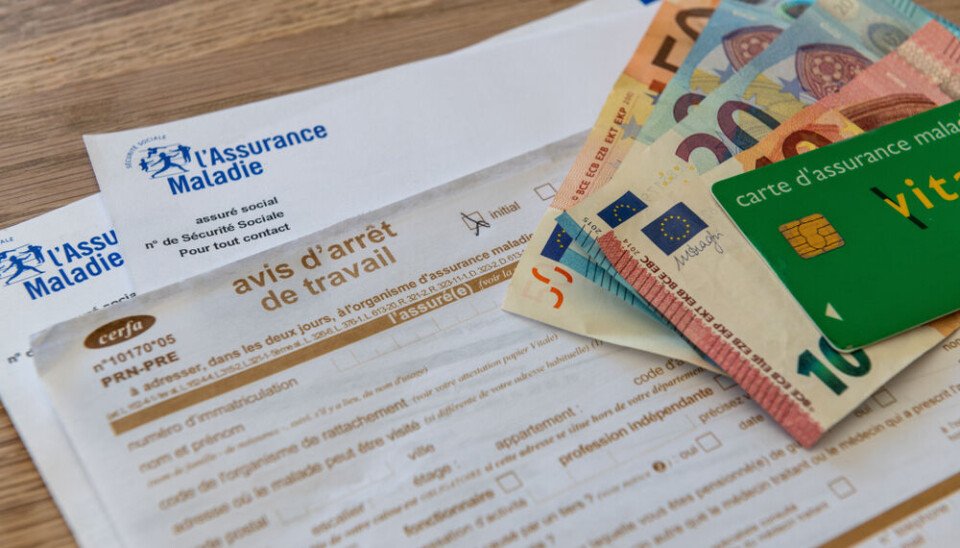
To ensure your rights are protected, follow these standard steps if you get sick during your vacation:
Obtain an Official Sick Note: You must go to a public health center (Centro de Salud) or a mutual insurance company (Mutua) to get an official sick note (Parte de Baja). A simple doctor’s visit confirmation (Justificante de consulta) does not have the same legal standing.
Notify Your Employer in Writing Promptly: Within three days of receiving the sick note, you must send it to your company’s HR department via a method that provides proof of delivery, such as email or a text message. This is crucial for updating your status from “on vacation” to “on sick leave” in the company’s records.
Meet the Common Duration Practice: Although the law doesn’t specify a minimum duration for the illness, administrative practice suggests that the illness should typically last more than 24 hours (i.e., at least two days) for the claim to be practically meaningful.
Agree on New Vacation Dates: After you recover, you must negotiate new dates for your leave with your employer. The rescheduled vacation must be mutually agreed upon; you cannot decide on the dates unilaterally. If the company refuses without a valid reason, you can resolve the issue through legal channels, where your claim is likely to be upheld.
Rescheduling Deadline and Changes to Your Pay
When your vacation is paused due to illness, the interrupted days are not lost. According to regulations, you have up to 18 months from the end of the calendar year in which the leave was originally scheduled to take the rescheduled days in agreement with your employer.
It’s important to note that when your status changes to “temporary disability,” your source of income also changes. You will no longer receive your full vacation pay but will instead receive sick pay benefits from the Social Security system. The rates are as follows:
- Common Illness or Non-Work-Related Injury: Days 1-3 are typically unpaid (unless your collective agreement states otherwise); from day 4 to day 20, you receive 60% of your contribution base; from day 21 onwards, this increases to 75%.
- Work-Related Injury or Occupational Disease: You receive 75% of your contribution base from the very first day.
Some collective bargaining agreements (Convenio Colectivo) may require the company to cover the difference, ensuring you still receive 100% of your salary during sick leave. It is advisable to check the specific terms of the agreement for your sector.
